Join hosts Haley Hatch Freeman and Misty Smith on this episode of Latter Day Miracles as they welcome Neil Millman, a seasoned traveler and humanitarian. Neil shares his incredible experiences of faith, divine intervention, and miracles while traveling the world and aiding street children. Listen to Neil's heartwarming story of how a prayer led to a miraculous recovery of a stolen backpack and learn about his lifelong mission to help marginalized kids in Mexico and Columbia. Discover how faith, resilience, and service can change lives profoundly.
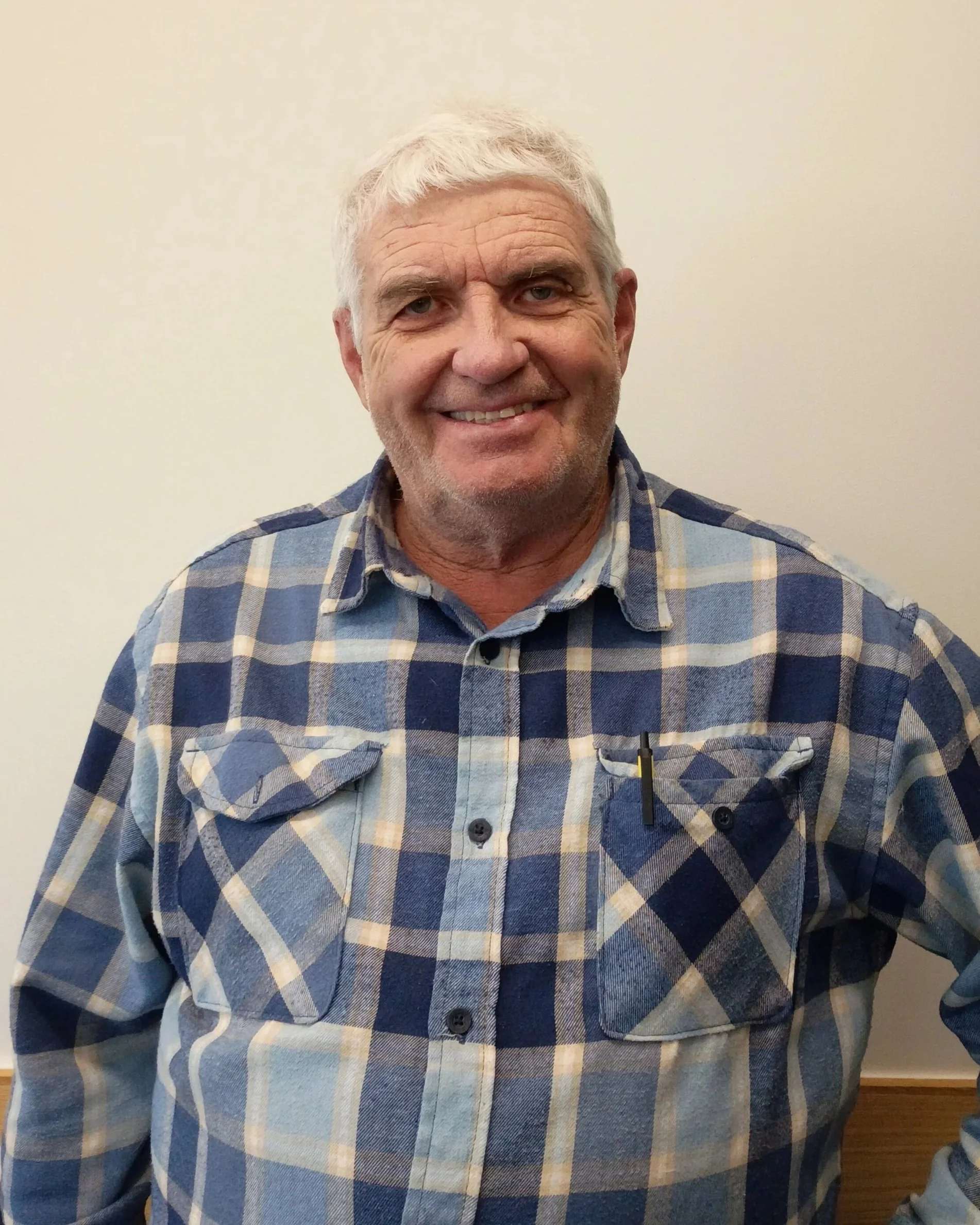
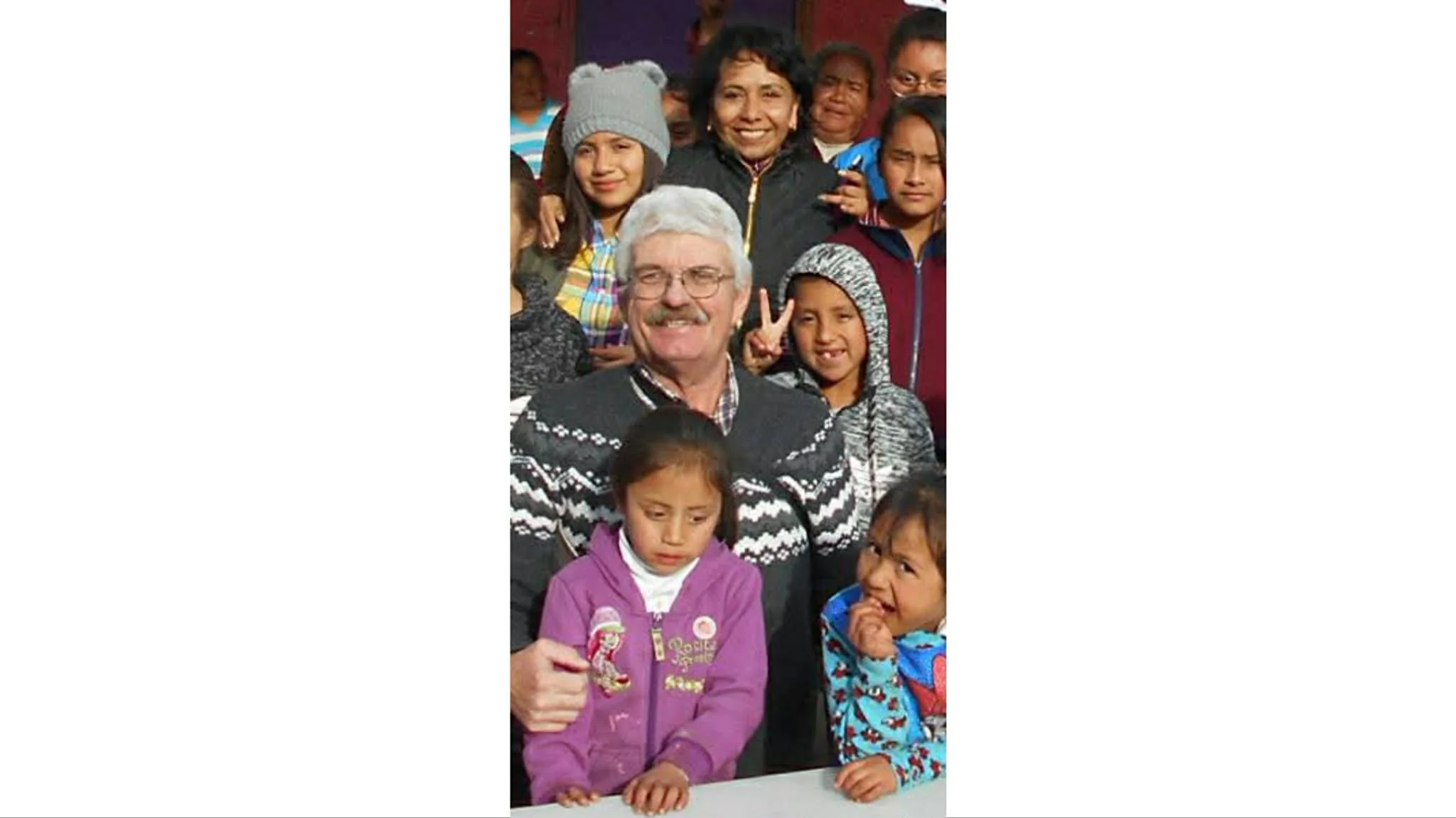
Neil Millman
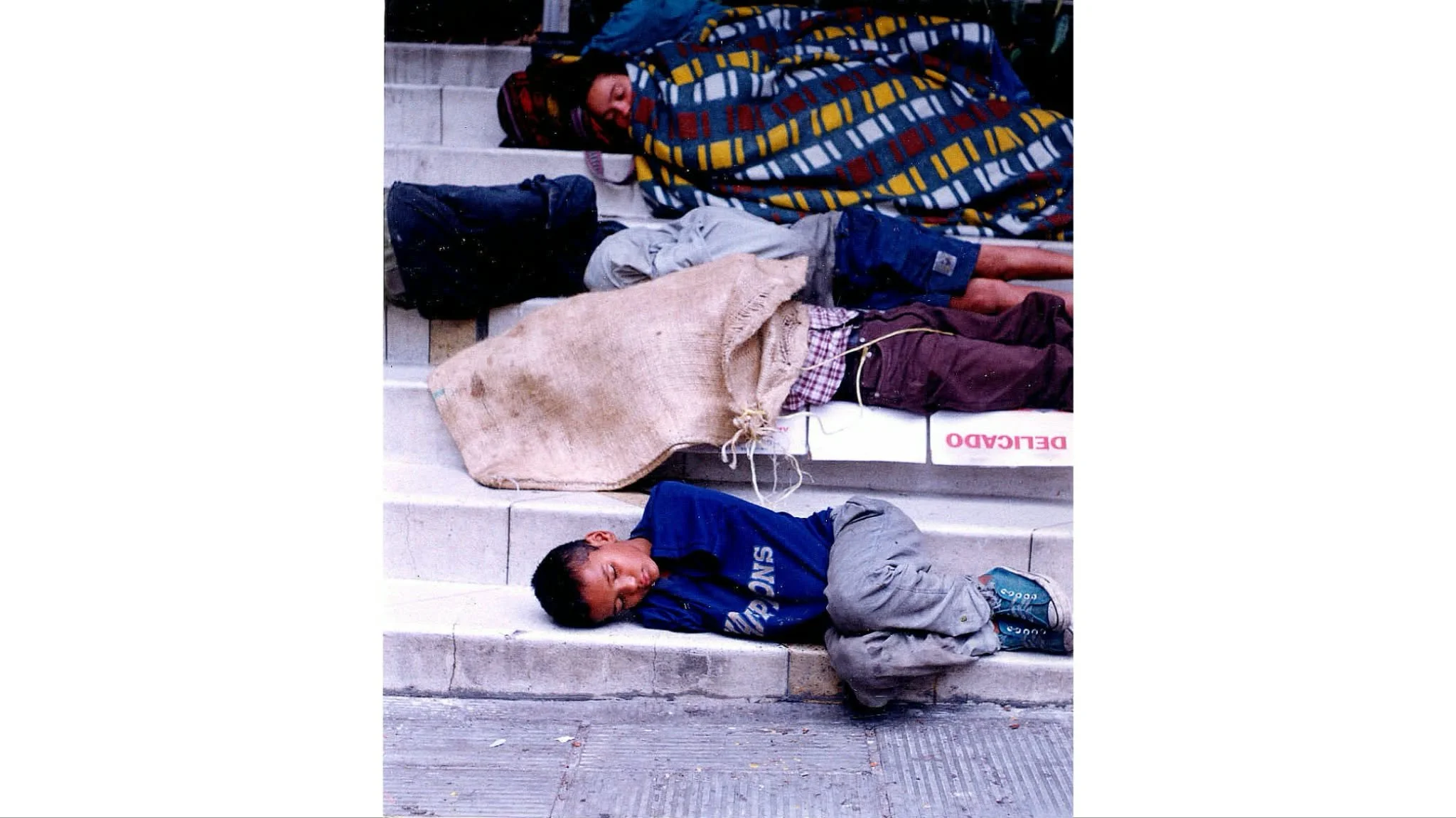
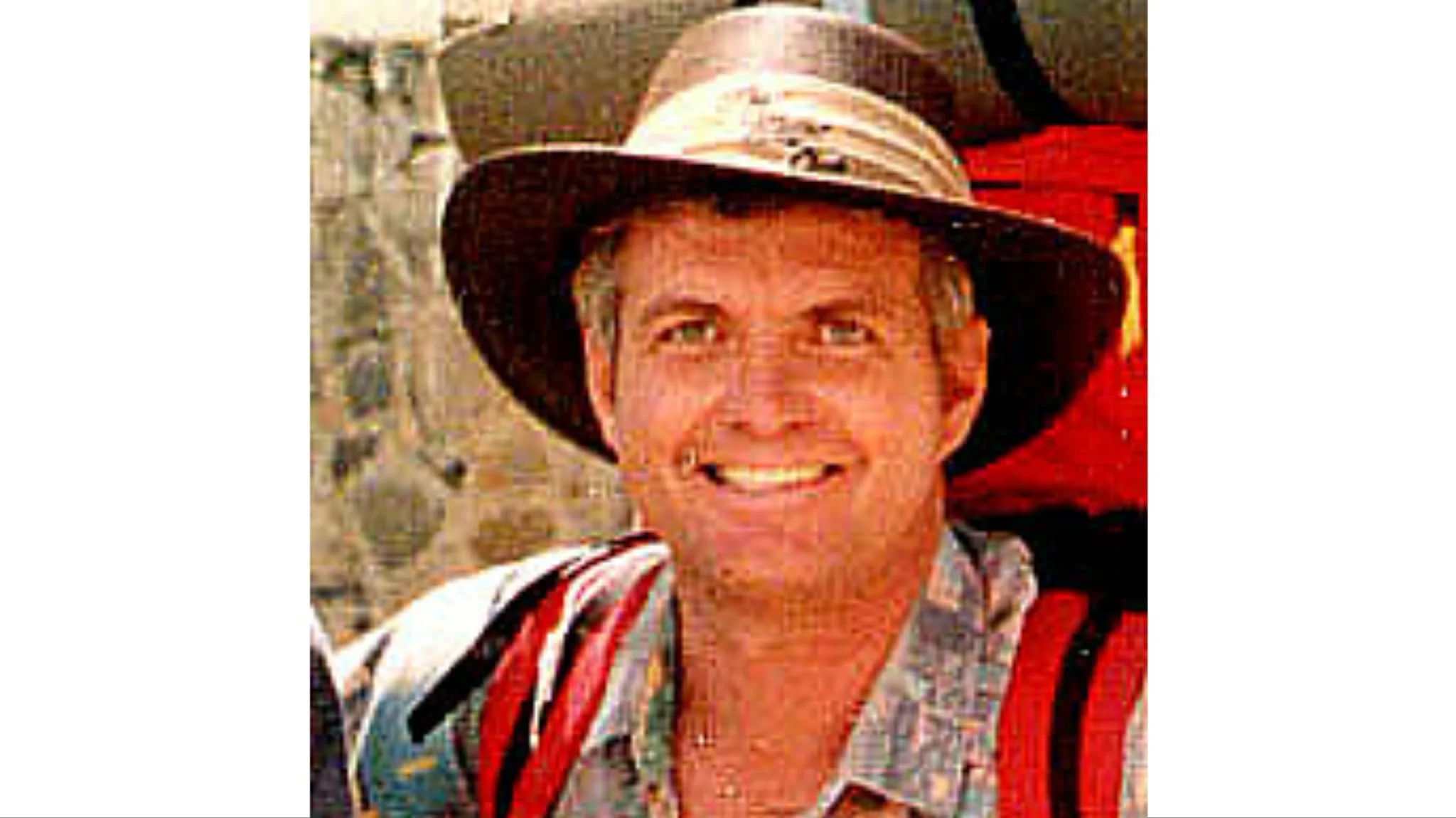
Neil Millman
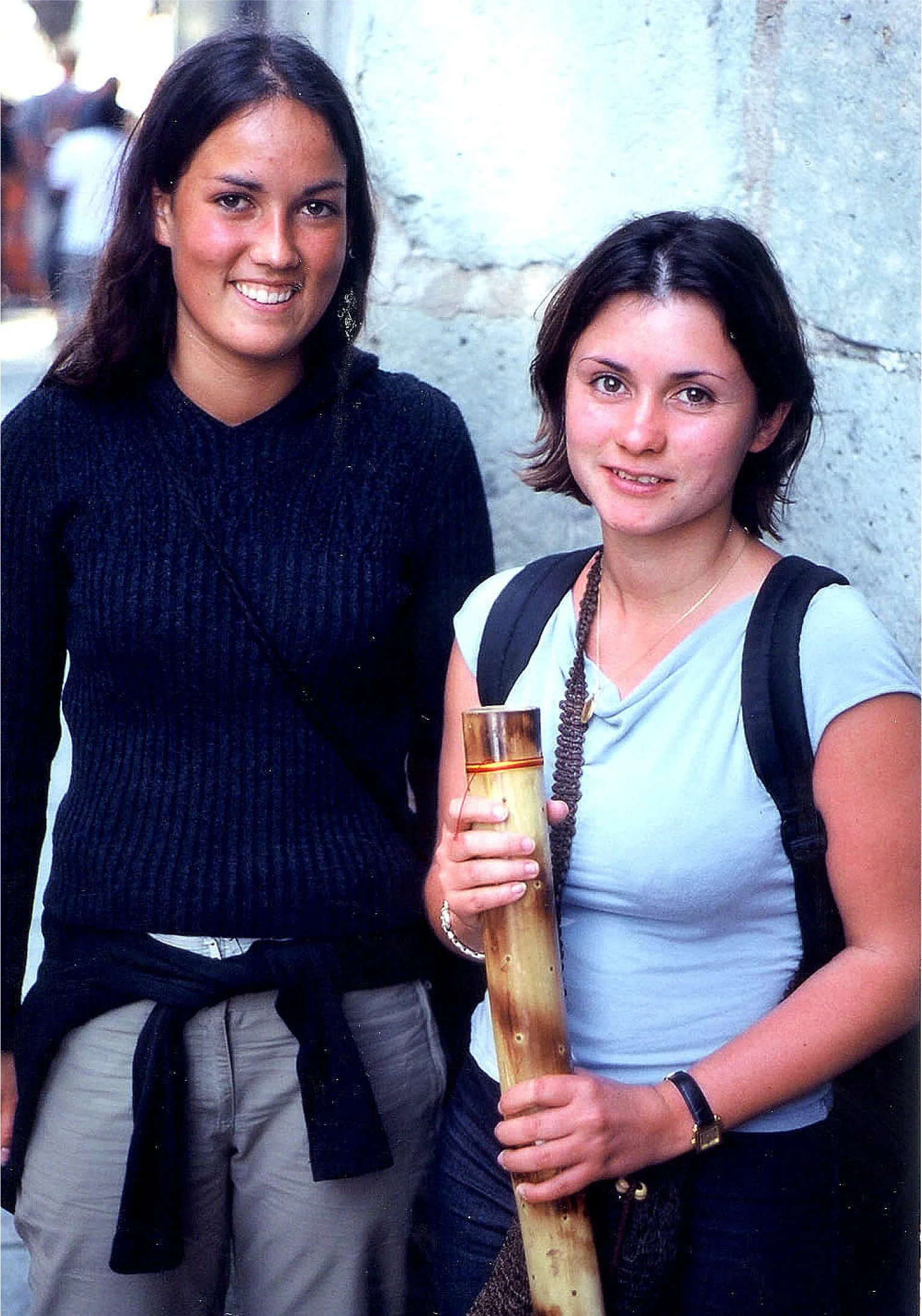
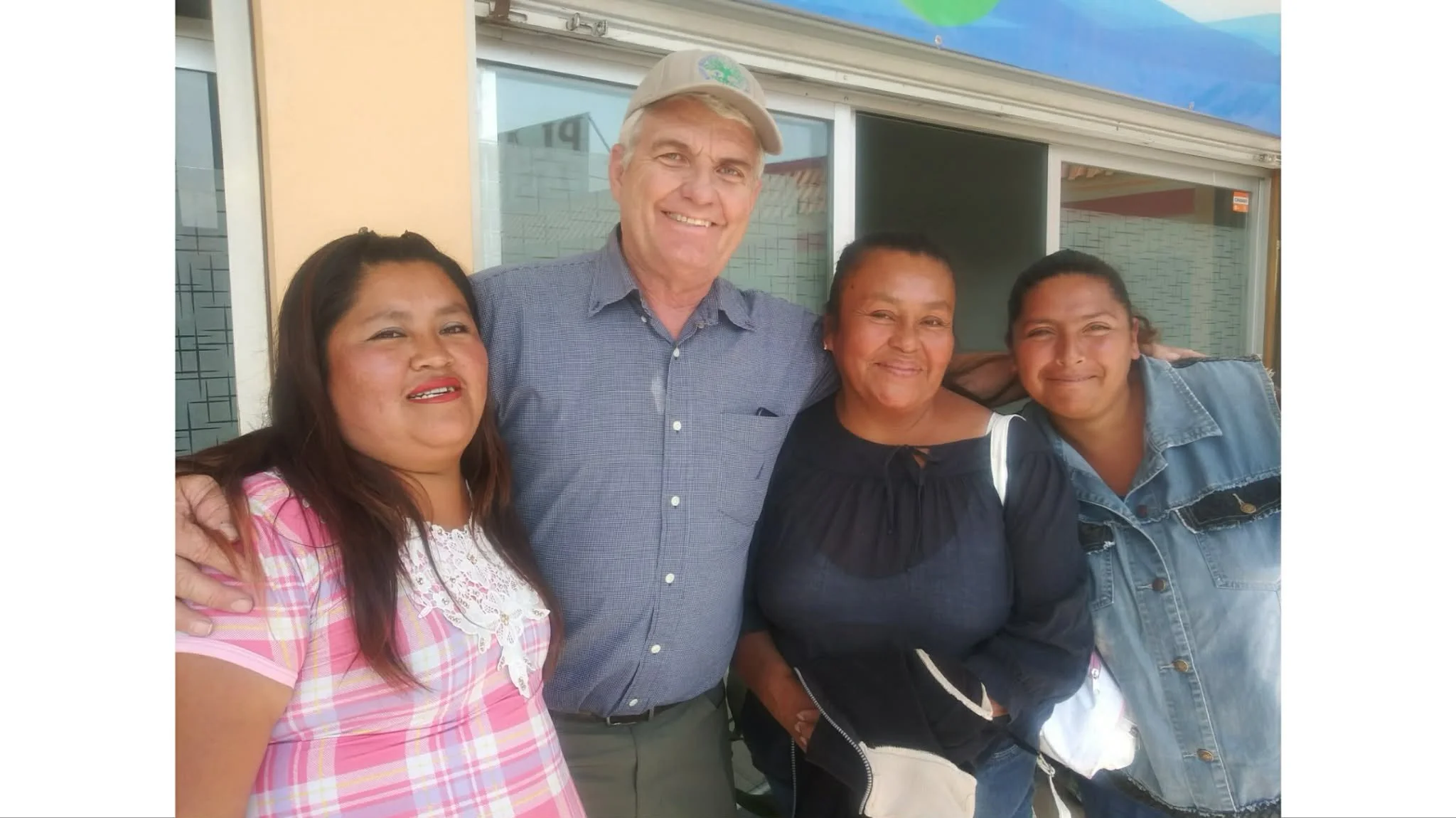
The girls from France whom Neil helped.
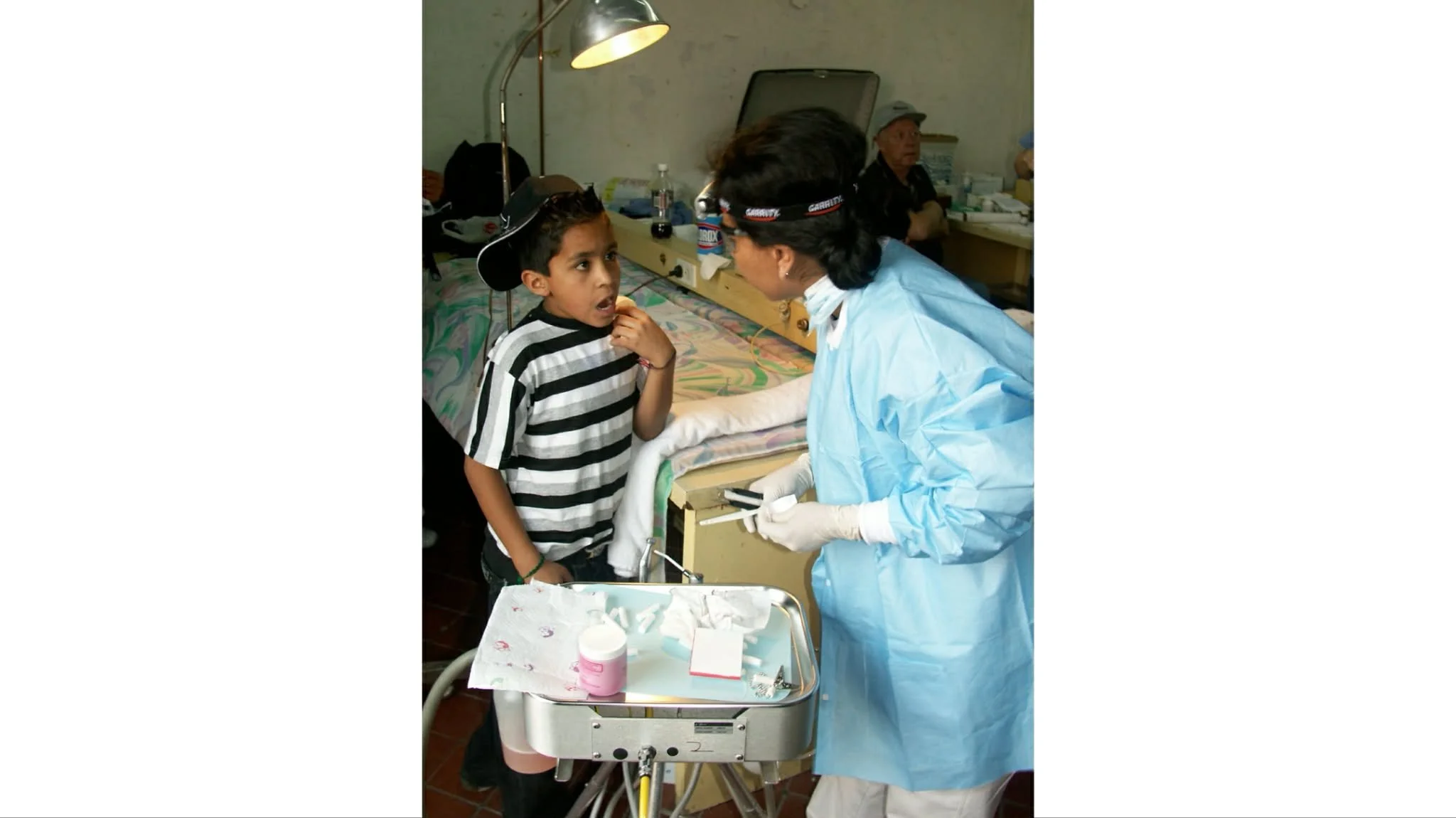
Neil’s wife, Margarita, at dental project in Mexico.
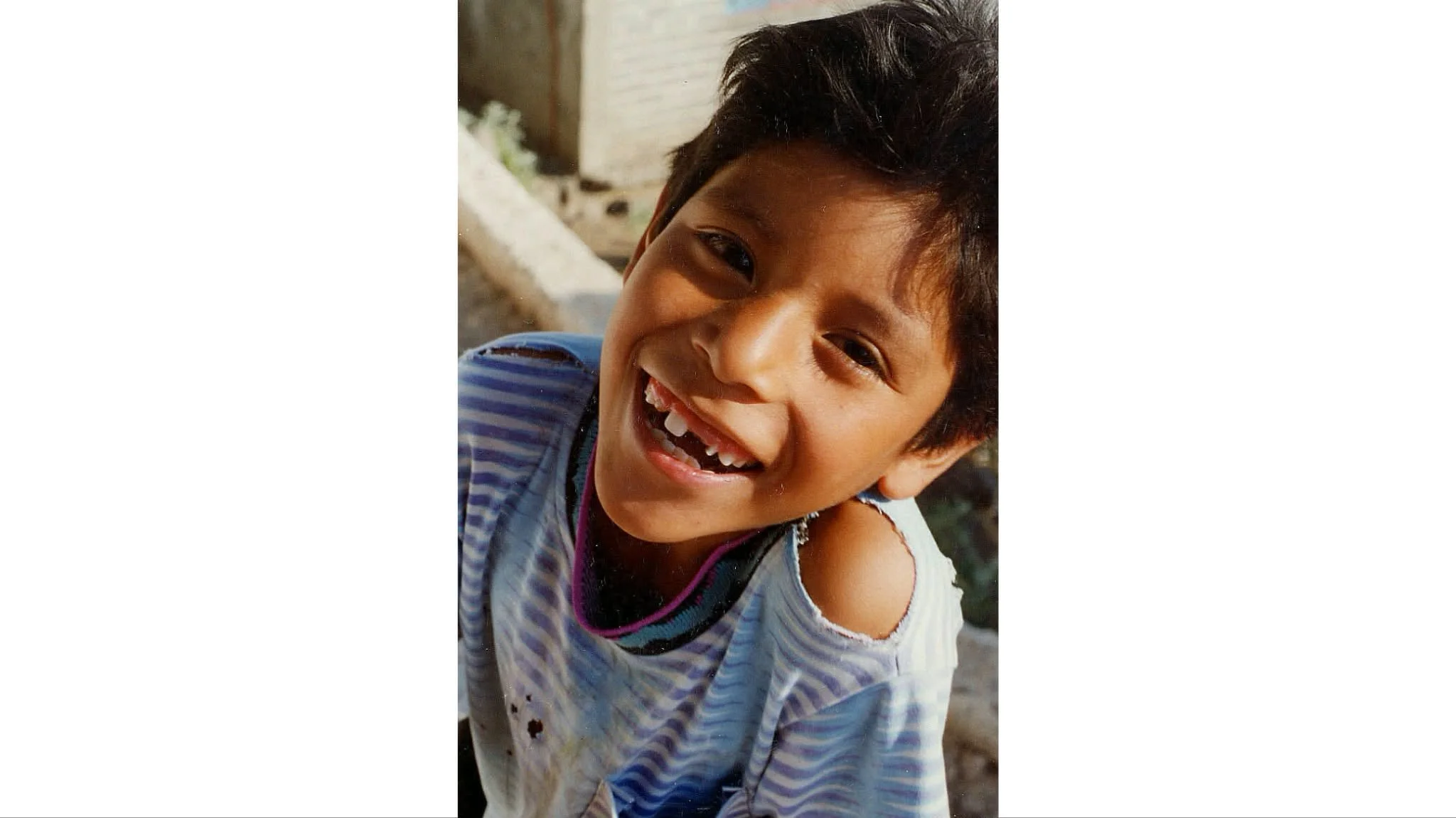
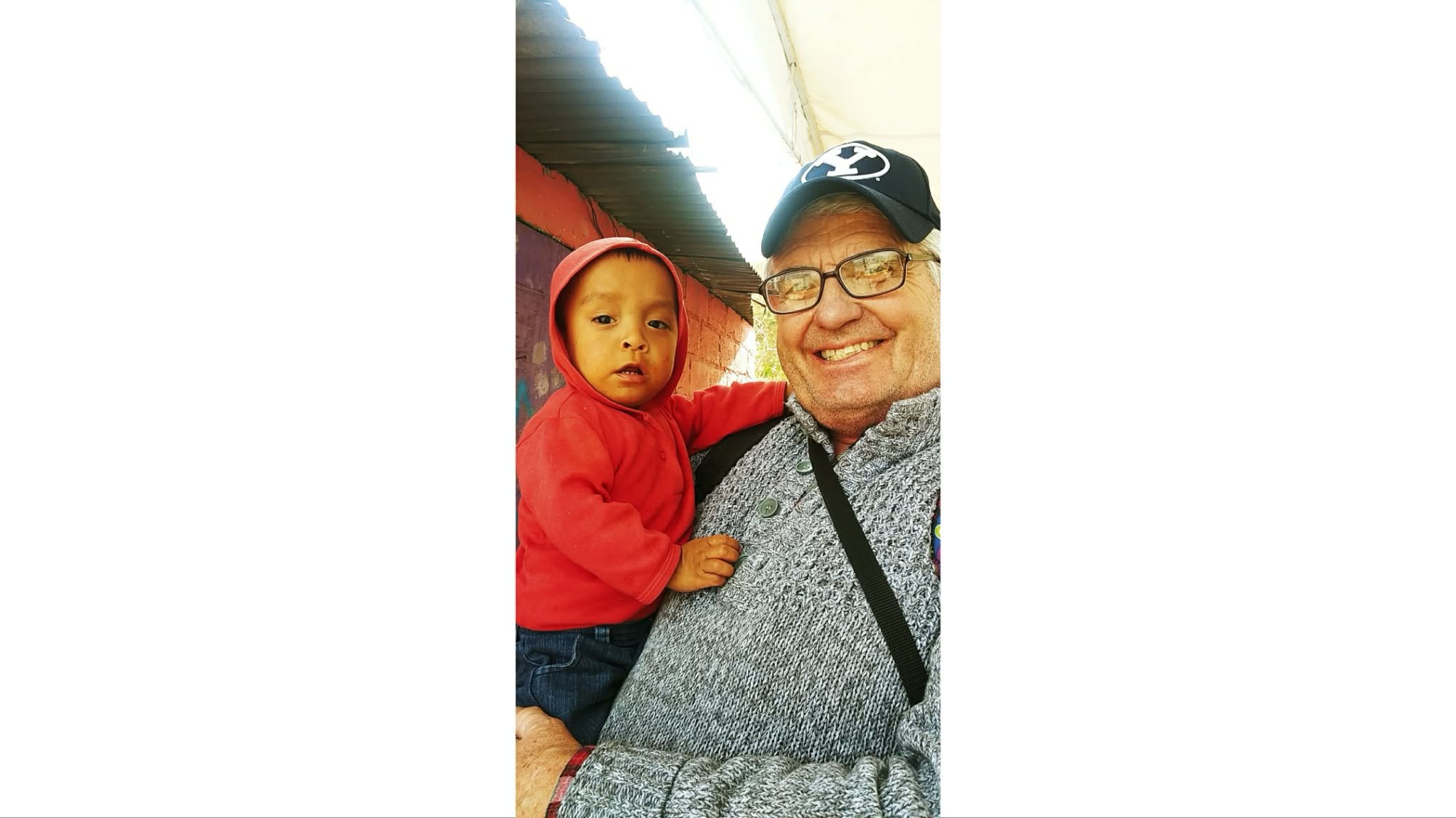
The children call Neil Tio Oso (Uncle Bear)
Contact Our Guest
YouTube Channel (21) Neil Millman - YouTube
E-mail : rescuestreetkids@gmail.com.
You can also find Neil on facebook and Instagram
To donate to Neil’s projects: venmo@Neil-Millman or venmo@Love-At-Work
Transcript
[00:00:00] Welcome to Latter Day Miracles, where we share true stories of angels and marvels. Get ready to enjoy accounts from everyday people that remind us of divine love, that we're never truly alone, and the power of faith in these latter days. I'm Haley Hatch Freeman. And I'm Misty Smith. Sit back, open your heart and prepare to be inspired.
Haley Freeman: Welcome to Latter-day Miracles. Today we are so excited to welcome Neil Millman. He has some amazing stories and I know they're gonna touch your heart. They're very tender stories and we have been excited to have him ever since I was introduced to him.
So I'm gonna go ahead and turn the time over to Misty to read his bio and then we'll let him begin his stories.
Misty Smith: Okay, so Neil Millman is an intrepid world traveler who has lived in 10 states and 10 countries having traveled for over [00:01:00] 30 years through 65 countries. He was born in Massachusetts in 1952 and moved with his family to Utah in 1961.
They later moved to Carson City, Nevada, where he lived for 10 years and began hitchhiking around North America. He served his LDS mission in New York City, then attended BYU and earned a bachelor's in geography. Afterwards, he spent 20 years working his way around the world. In 2000, the Lord revealed to Neil that his purpose in life is to rescue street children.
Having already lived for two years in Columbia, Neil was familiar with the plight of street kids and was eager to return there. He created Love at Work as a nonprofit organization on his first overland journey to Columbia. Neil was robbed of $800 on a bus in Guatemala City and had to change his plans.
That change led directly to meeting his Mexican born [00:02:00] wife in Provo, Utah. They were married and have subsequently spent every year conducting humanitarian projects in Mexico and Columbia. The projects involve, helping shelters, orphanages, clinics, soup kitchens, and conducting projects in shanty towns in Mexico City and in Tijuana.
Margarita is a pediatric dental assistant who organized four dental projects in Mexico City. Rather than having children of their own, the Millmans have served as proxy parents to hundreds of children and their single mothers. A big part of Neil's advocacy involves children learning how to be self-reliant and becoming community leaders.
Neil has taken over 150 students and family volunteers on his humanitarian projects in Mexico. Currently, he and Margarita are planning on doing a Christmas program for the kids and institutions in Tijuana this year. Wow. That's [00:03:00] incredible. So I like that. Yeah. So Neil, where would you like to lead us with that?
Neil Millman: Well, the one thing that makes me different from 99.9% of the world is that I'm a, I'm an avid traveler. Trepid traveler. As I say, I been all over. I get off the beaten track. Um, I've never had much money to travel as a tourist. So as I say, as a teenager, I had a hitchhike and I had to experience the world.
So, uh, I always had this feeling like God would watch out for me. I wouldn't get any serious problems. Uh, not that I was really active in the church when I was younger, but I just had this faith that God would always, always protect me.
He always has. Now, later on when I was about. 40 something, then things started to turn around. I started to have some bad experiences and I got robbed, I got mugged, I got injured. Which taught me that I'm not invulnerable to danger, but I [00:04:00] have to travel on faith, take precautions, and so on and so forth.
So the story I'm gonna relate to today is one of many stories that has a, a very. Divine aspect to it. Uh, uh, but I relate it because prior to that time, I had done many journeys in different countries, basically very safe. But then I started to have some of these bad experiences. And so when I embarked on this particular journey through Mexico and Guatemala, on my way to Columbia, I was at a bus station where.
I happened to be there when these two girls from France were robbed. It really scared me in a way. It really, uh, hurt me in a way because I know what it's like to be robbed far from home, to be in a country far away from home. And it's a very scary thing. And so, um. To set up the story.
I, I have to give a [00:05:00] little bit of background information now, so
Uh, so. As I say, in the bio in 2000 is when I had a really divine manifestation. The Lord clearly indicated that with my knowledge, experience, and my love for, for people, I should be helping street kids.
They're the most vulnerable people. They're the ones who have a future ahead of them. It can either go well or it can go terribly, and so I'm very fortunate to be in a position where I can intercede for children who don't have the advantages that so many us of us Americans have.
Misty Smith: Absolutely. And
Neil Millman: a way to get to them early in life so they can make critical decisions and get the resources they need.
I think education is vital.
Haley Freeman: Right.
Neil Millman: They don't always have access to formal education, so my wife and I are helping to implement a program called Preventive Education in Mexico City that helps. Anyway, but the story I'm gonna tell goes before I even met my wife, I hadn't even met her yet. It was just [00:06:00] like almost two months before I met her.
So I was still single. I was, uh. 49, I was about to turn 50. So half, half a century, still unmarried with no prospects. And I've been searching for years and years without any, um, success and actively searching. I, Latin American, Mexico, Columbia, other countries, and nobody was fitting the bill, right?
So I came to that point in life where I had to pray to know what my purpose in life was. And I fasted, I prayed. Um, and at that point too, I basically agreed with the Lord and told him that whatever you want me to do, I'll do it. Even if I have to be single the rest of my life, I, I'm ready to stop searching for my wife if you want me to serve a greater purpose.
Okay? So I already committed myself to that spiritual mission and so. My first endeavor when I had that mission was to return to Columbia. I had lived there for two years. I [00:07:00] love Columbia. The people are wonderful. I had a lot of friends down there, but I had been away from Columbia now for at that point, about 14 years or so, and I wanted to go back and now.
I knew that there were street kids there and I knew I could do something for them if I could get back there. So I worked for a summer 2000. I, I worked, uh, saved money and then, I'm ready to leave. And so to go to Columbia, there's two ways to go. I could have flown,
it would've been a safer way to go, but I'm an adventurer, you know,
Misty Smith: of course you are.
Neil Millman: Secondhand buses and thing. I've done it. I've been through Central America many times, hitchhiking and taking buses, so I thought it'd be an adventure again to travel overland through Mexico and, and, and Central America again.
So that was my, I thought I might save a few dollars that way too. You know,
I didn't
know what was coming. But it to be a good adventure, uh, an incredible adventure because for the first two weeks that I was on the road traveling through Mexico, this [00:08:00] is late December the Lord is blessing me.
Incredible things are happening. I feel the spirit, and I'm just anxious to get down to Columbia and I go through a city called, Puebla, Mexico. The reason I went there was 'cause there, there is a shelter there for, for street kids. It's called Juconi. It's an acronym. Juntos con los ninos It means together with the children.
And it's a shelter that BYU was affiliated with. Uh, they had gone down to examine and they were providing some help to the director down there, so I had that address. So I stopped on, on my journey down to, uh, Mexico. I stopped in at Juconi, talked to the director, spent a few days visiting the shelter and the school.
And it was, I was very impressed with it. Now, now here's where the, the story takes a turn because I could have stayed as long as I wanted in Puebla at that point. I was eager to get on my way to Columbia, so I'm staying with a, a lovely family in Puebla. And, [00:09:00] um, I could have spent another night there and left in the morning, but I just felt this impulse, I felt this prodding to leave that evening to take a night bus.
So the next big city from Pueblo is Oaxaca. It's in southern Mexico. Okay. So I thought I'll take a night bus. I like to travel at night and. I could sleep on the bus, so on.
So, right.
So I took the bus and it's about a four hour drive down to Oaxaca. It's a city in southern Mexico. Very famous. It is a Maya city with a lot of Mayan Indians and cultures.
So I arrived early in the morning. It was like three or four in the morning, so I've got several hours to wait.
Haley Freeman: Mm-hmm.
Neil Millman: But also, I wanted to visit some sites in Oaxaca. There's Montealban it's, ancient ruins, Indian ruins in the outside of, Oaxaca. I wanted to visit, I've been there a couple times, but it's an incredible place to visit.
So I thought I'll wait until morning. I'll go there. So now I'm sitting in the bus station, [00:10:00] middle of the night, nothing to do. I'm just sitting there reading. And what happened was I noticed these two young ladies come in. Obvious to me, they were not Mexican or Hispanic. They were light skinned.
They white, they looked like they could be American or European. Mm-hmm. So I thought this might be an opportunity to speak to someone in English, whatever.
So when I see 'em talking and they're laughing, they're so happy. They're just so cheerful, like, oh man. And uh. So I go back to reading, and then the next time I look up and I see them, they're crying. Both of 'em are crying, and they're, and they're hugging each other.
And so I get more than curious. I'm, I'm concerned what's going on. First thought was, they're probably saying goodbye to each other because they probably have to separate. And that was the first thought. But then I'm, as I'm looking at them, no, they're not expressing joy. They're expressing grief and sadness.
Something has gone wrong and so. I walk up to, to the girls [00:11:00] and I say, uh, do you speak English? Yes, yes, little English. And I found out that they were from France. And so I say, what? What happened? I was robbed. I was robbed. And one girl says I was robbed. Now I know what it's like to get robbed, and it's a terrible feeling.
And so what happened is that they had been a victim of a type of a, a scam. It's a common scam. Where there'll be two thieves, one thief will kind of distract you, talk to you, and you won't be looking at your backpack. And, and the other thief will come up and steal it. So that's where it happened. Her day pack
And so her pack was gone, her backpack was gone.
Misty Smith: Wow.
Neil Millman: And had everything valuable in it. Her money, passport, um, plane ticket, whatever, credit cards. It was in there, gone. And so of course I wanted to help them as best I could. I didn't know what to do, you know? Um, what kind of [00:12:00] advice to offer, whatever.
And , I'm thinking, you know, maybe the thief had just taken , the backpack and just gonna throw taken some things out and throw it away nearby, whatever, but, but here's what I did. I just felt the need to pray. Mm-hmm. So this is where the miracle begins now, because I kind of go back to my backpack for a minutes and I close my eyes and I start praying.
And the prayer was one of the most urgent prayers I've ever heard entered in my life. I've had some powerful prayers. I've had to pray for help and things. But this time I was praying for somebody else and I just poured up my heart, says, Lord, these girls are in a bad situation right now. They need help.
I don't know what to do. I mean, please help these girls to get her backpack back, whatever. Now, as soon as the prayer was over, well, within a few minutes, something strange happened. [00:13:00] A man got off, came into the bus station. I think he'd gotten off a bus that had just arrived I dunno if he was Mexican and what, but he was Hispanic.
He's a short little guy, maybe four feet tall. Four and a half feet, and he's carrying a great big, huge duffle bag. So he was coming through the station. Now I should say the station was very crowded. I mean, there were a lot of people, there was a lot of hustle and bustle. It was dirty and noisy. But he comes along and he sees the girls crying.
He goes up to the girl and says, uh. What's the matter? Why are you crying? And the girl explains to him that, that she was robbed, lost her backpack with everything in it. And uh, he starts talking to her like, well, what was in the bag? What did you have? Now, at this point I'm feeling very annoyed.
'cause I think this is a total stranger. Mm-hmm. There's nothing he could possibly do to help these girls, he's just being a nuisance. You know, I, I was feeling like if anybody can help him, it's me. It's not gonna be this total little stranger here. [00:14:00] Okay. But, he got an idea of what had been taken, and, uh, he leaves.
And so after he leaves, I tell the girls, well, let's go around the bus station, look in the garbage cans and just see if anything is maybe with any chance
Misty Smith: yeah. the thief took
Neil Millman: a few things and left the others small chance of that.
Misty Smith: Right.
Neil Millman: But, uh, I stayed in the bus station while the two girls went around the bus station looking, they come back in after 10, 20 minutes, whatever.
They hadn't found anything. And, uh, so. We're not sure what to do next, but then guess what? Suddenly this little man comes back into the bus station and guess what he's carrying? He's carrying the rucksack he's carrying it.
Haley Freeman: Wow.
Neil Millman: He puts it down and then the girl starts taking out her things.
Wallet, passport. [00:15:00] Credit cards, everything is in it. Only thing missing is a camera the only camera is missing. Wow. There. So he's, where did you find this way? He said, well, so he explains, he says he was walking to the downtown. Now it's about a mile from the bus station to the downtown. And about halfway between the bus station down, there's a, there's a city park.
So he said he was walking through the city park and he saw the backpack lying in there. What are the chances of that? Right.
Misty Smith: Wow. Now
Neil Millman: there's, I mean, so there's miracles already beginning, whatever,
Misty Smith: of course. But
Neil Millman: uh, it was like, what? And I even blurted out. This is a miracle. This is a miracle right now. This amazing thing had happened.
Okay, so. So there were these two French girls. One was tall, I think her name was Amel, and there was a shorter girl too. But um, so the girl that got her backpack back, all the stuff back is relieved. And now she gonna [00:16:00] call her family and said, Hey, I found it. We, I have everything. I can go back home now.
They were so the girls were gonna return to France the next day. That's the thing. Okay. So, um, the short girl. Now, now she's still crying and so he asked, what, what's your problem and why? Why are you so sad? He says, well, I have to fly back to France tomorrow from Mexico City. I can't get a bus ticket to Mexico City.
There. There's no tickets from Mexico City tonight, so I don't know how I'm gonna get to the airport. Whatever. I didn't know what the solution was, whatever. But the, the little man, he says, no, no, no, no problem Senorita. There's no problem. You buy a ticket to, to Puebla and in Puebla you can buy lots of tickets to Mexico City.
Buses go every hour. Okay. I didn't know this. I didn't know this. And so, this man [00:17:00] simultaneously solved two critical problems for these two girls. Okay. And I, wow. It's amazing, uh, that, that God could answer prayers within a few minutes. Oh
Haley Freeman: yeah. He was an angel, right?
Neil Millman: Yeah. I like what James says, and, he says the effectual fervent prayer of a righteous man availeth much.
I think that was a, a direct answer to a prayer at that moment. Now, the story could end there, but it doesn't 'cause there's a little bit that followed after that experience. So the girls didn't need to take their buses until later in the day. They were gonna wait till morning. We waited until the sun came up.
We went downtown. We bought breakfast. We said our farewells. They had a nice little time. They were very happy and they were just so whelmed that things were going good now at this point. So meanwhile, I, I say, well, now it's time to go up to Montealban to go visit again. So I get on a city bus and I go up to Mountain to Montealban, and uh, I get off the bus and I'm going, [00:18:00] and as I'm walking in toward the entrance in Montealban, guess who's standing there on the grass?
The little man with the big duffle bag.
Haley Freeman: Mm-hmm.
Neil Millman: I thought this is a pretty profound coincidence, and one of the chances I would see him again the same day. Right. So we do a little bit of chitter chatt. I don't speak much Spanish, but I couldn't understand him , and that's why I asked him, why are you here?
And he says, well, I like to come here whenever I'm in Oaxaca. So I didn't proceed to ask him more. I wish I knew his whole story now. Now.
Misty Smith: Mm-hmm.
Neil Millman: Here's what, I take a lot of pictures. I'm a photographer. I've take a picture of people all over the world.
I have pictures, chronicle almost every experience I have. I never took any pictures of this man either in the bus station or in Montealban, and afterwards I'm kicking, oh my heck, I, why did. Who was this guy? Who was this guy? So I have my own theories as to who he might have been, but he was certainly an angel.
An angel in physical form, whatever. So, he was an [00:19:00] answer to a prayer. Okay.
Misty Smith: Very cool. That's amazing.
Neil Millman: And so that's, that's the end of that story, but kind of like a, prelude to the next story is okay. When I finally got down to Guatemala, I did get robbed. I lost the $800. Oh, that changed my, I didn't make it to Columbia.
I had to turn around and go back to Mexico, back to United. But then a month later, I met my wife here in Provo, Utah at a single adult ward. And I had to tell people, you know, uh. She cost me $800, but she was worth, it's a real miracle. But even in that process of going through that heartbreaking thing, 'cause I felt I had earned this money and it was God's money and it was designated for a righteous purpose.
So when I was robbed, I had to humble myself and say, Lord, it's your money. You can deal with it as you wish. I just wish it was going to the kids instead of to a thief. Mm-hmm. But maybe you have other purposes. I had to humble myself and just go back to United States with the reassurance that I was [00:20:00] still serving God's purpose, bigger purpose.
Right. And it did. And so I, I can't be doing what I'm doing right now without Margarita. I just, she's, yeah. He was answering
Haley Freeman: your prayers to find your wife. Yeah. Tell us more of. How you say you, you rescue the kids in Mexico. So what does that look like?
Well, there's three
Neil Millman: aspects to helping the Rescue Street kids. Okay. Uh, there's three phases of it. There's the actual rescue of kids that are in danger at risk. Kids, uh, kids on the street, homeless, sleeping, eating outta the garbage, whatever. And the only way you can really rescue them is if you're a social worker or a psychologist or somebody
who's trained in that field. Okay. That's not my field. I can befriend them. I can talk to them and give 'em food, but I don't rescue them in that aspect. The second phase is getting 'em into a facility where they can get rehabilitation. Um, drug rehabilitation foremost, [00:21:00] because all these kids are substance abusers.
Uh, they all smoke or drink or use drugs of some kind or other. So they all have to get into a program where they can overcome their addictions. Okay. And in the process of that, then they are the shelter that my wife and I helped down there. It provides 'em with public education, which is really rare because poor people in Mexico, they can't afford public education.
They have to buy their own materials, school supplies, uniforms and so on. And if you're a single mom earning a dollar to a day, you can't afford to send your kid to school. And so the shelter down there provides a safe environment where these kids can get cleaned up and then they can get education and also job skill training.
They learn all kinds. They learn baking. We went down there, we were having an acting class. It would do all kinds of different things so the kids can expand beyond their circumstances and see a brighter future. Then the third phase or step would be, encouragement, they need to [00:22:00] be in incentivized and encouraged to live a healthy, decent, wholesome life to get married when the time is right, to be prepared to raise their kids, uh, find a good career, so on and so forth.
So empowerment, that's the word I'm looking for. So these kids, they're human beings. They have the spirit of God in them. They're all, precious to God. God knows what their abilities and aptitudes are and what their future could be. And so these two phases are where I come in. I can help kids to the process of rehabilitation, although it really does also require social workers and people trained in that field, right?
But when it comes to empowerment. I'm a role model. I can show them, you know, your life has value and you can have a beautiful future. And I have all these examples I can provide them with. I mean, I've worked with kids who have overcome the odds, who are now living a successful life and they're happy and they're productive.[00:23:00]
So it's not impossible. You know, I, I see so many of these miracles. So these kids have a chance to see real miracles happen, you know, in their lives.
Misty Smith: That's incredible. So I know we were talking about your, previous miracle, like witnessing and being part of the miracles. We're talking about the kids.
Um, I've noticed through this entire time you've been speaking, you've brought up faith and belief and, um, one thing I, I felt when I was reading your bio. Was that you mentioned faith and I took a second and I studied up on the difference between belief, because belief is all intellectual, right? It's just something we believe, but that's where it stops.
It's very limiting while faith is carrying upon and carrying upon, and it's, it's an active word. Um, and so when you have faith, something that [00:24:00] happens is you become empowered. Which I love that word. And you build character because you have faith. It always follows the the miracle. And then once faith, or I'm sorry, faith comes before the miracle, sorry, that's what I'm meant say.
And then the miracle follows. And then your character builds and it continues. And it continues and it continue continues. And so it almost sounds like you have to have faith in what you do to affect these kids. Yes. Is that correct?
Neil Millman: Yes. Yes.
Misty Smith: So how do you keep having faith when you are witnessing cycles of substance abuse and, and these conditions, and how do you continue to grow with that?
Neil Millman: Well. To use Jesus Christ as a perfect example, of course, look at his life. Jesus went about doing good. Now, does that mean he was cheerful [00:25:00] every moment or whatever? Um, he, he also was a man of sorrows. He saw the extreme suffering and he cried. He wept for Lazarus. I mean, he, so he was able to be both beings at the same time.
He was able to be ultimately happy and cheerful and positive, while also being sad. And, and sorrowful. Okay. And I've had that experience. You do, you do both. My heart breaks for the, the suffering in the world right now. The, the wars in Africa and Sudan and whatever, and I think about it. I hear about it in the news, devastating, but I, I don't carry, that will be gone attitude throughout the day.
I am a cheerful person. And as I go around with people, I can see the tragedies of suffering, but I also see the goodness and these people, people that we help. Are so kind and generous and, and cheerful. I mean, they're just, they're meek. That's the definition of meekness. You know, they're to carry your suffering and sorrow with a, with a [00:26:00] happy heart, I think.
Right? Mm. Now to go back to finding my purpose and think that was the most joyful thing I ever happened. When I, when the Lord told me what to do, I was so relieved, because I've been searching for decades and I didn't know what to do, and suddenly I know it was clear. Now, and, and here's the miracle that transformed my life at that period.
So prior to receiving that revelation, I had been traveling the world for 30 years, robbed multiple times, injured, stabbed, shot, choke, almost beaten to death in Lithuania, just a year before the journey
Misty Smith: Wow
Neil Millman: things, or at least a dozen close calls where I could have died or been seriously injured.
But now after having started my mission, having served the Lord with all my heart in 23 years now, 24 years of doing that, I have not had a single bad experience. I've had close calls. But the spirit has always [00:27:00] guided me, and there have been times the spirit says, don't mess with that kid. Don't, don't, don't go near him.
That's that's bad. He's, he's not gonna respond to you, whatever. Things like that. And when I'm serving the Lord, he protects me. And that's where a big part of my faith, I say, okay, I'm doing my part. And your part is protect me. And the Lord has protected me. It's been incredible. To give you one example, and there's many examples, but here's one that happened about four years ago, five years ago.
My wife and I were doing a, dental project in Mexico City for these kids, that live in a squatter camp. And, uh, we had use of a dental clinic that was there and these kids, they never get outside their really ramshackle community. And so we put 'em on buses and things and took 'em to the, clinic.
And it was like a three, four day event that we're doing things. I wasn't involved in the dental procedure. My wife does that and we had dentists that were there. I'm outside playing with the kids. Outside the clinic, there [00:28:00] was a, was a building with two floors and there was a terrace, a walk space.
Haley Freeman: Mm-hmm.
Neil Millman: Uh, with marble, tiles on the, on the ground, whatever. And so I'm playing with the kids and just making 'em laugh and things I'm good at that. They call me Tio Oso, and so, um, there was one little girl in particular, uh, Nicole, just a real smart, choice little girl or just real talent. She loves to dance and sing whatever, precocious.
And so I'm playing with her and I'm trying to get her to chase me. So I incidentally, so this day I'm wearing, not shoes, but sandals. I've got sandals on, I'm wearing, and I'm trying to get her. So she starts to run toward me, and I turn around and I go to run.
Haley Freeman: Oh,
Neil Millman: I did like, like you see on the cartoons, whatever.
I fell straight down on my back. Now I weigh over 200 pounds, 250 pounds or so.
Haley Freeman: Mm-hmm. I hit
Neil Millman: the bottom of my [00:29:00] head, boom. Wow. Hit that, hit that thing as hard as hard could be. Okay. Now, under the normal circumstances, I would've been knocked unconscious.
Misty Smith: Yeah. Oh,
Neil Millman: I mean, it, it was nothing to, to soften the blow.
I fell right on the ground on the thing. And as I'm going down thinking, bye-bye world. I'm dead. I'm dead. I'm gone. Right. But I hit the ground, I opened my eyes. I'm still alive. Starting to get up and feel myself. Where, where are the broken bones?
Haley Freeman: You know? Yeah.
Neil Millman: Nothing , no injury at all, no bruises, nothing. No. I should have had a concussion at the. So, so I believe this was a miracle where the Lord
Haley Freeman: mm-hmm. Protected you,
Neil Millman: protected me from getting the injury falling on the ground. So, I mean. That wasn't a sort of danger where you have to watch out for that person, that person that's, that guy's coming to rob you or shoot you or whatever.
It was just an everyday [00:30:00] casual sort of event. I'm just playing with the kids. I never would've anticipated being in danger, harm's way, falling, having injury. Right. God was watching over every detail of that, that project, and there's many other stories like that I could tell
Misty Smith: as a, yeah, God is definitely in the details.
What would you. Tell someone who's struggling, even getting through the day and having faith
well,
Neil Millman: we understand that faith is not one thing covers all. It's not a panacea, it's a process. Faith is a part of the process of the gospel, uh, the process of redemption or which includes repentance.
Learning. We learn line upon line, precept on precept, I mean. Mm-hmm. Nobody is born with total faith or understanding. We develop it, you know, when we're baptized eight years old, do we have perfect faith at that point? No. We just believe what people are telling us. You know, it's, it's a belief we have from that point on to [00:31:00] develop faith.
As to who we are and what we can do with our belief and our faith. And it grows and it's exponential and it's endless. A faith has no limit. I think the sad thing is that people limit their knowledge or their understanding of faith. They think that faith is some sort of little superficial thing when really it's very profound power.
You know, it really does govern our actions and the results of our actions too. If we're doing something for a righteous purpose, that's when God, his angels can intercede. Right. If we're doing something we shouldn't be doing, you know, he's not gonna be there for us.
Misty Smith: Right.
Okay, so I like what you said that there it's a bunch of little actions. It's, it's, it's, you know, having faith is, I believe, confused with belief, right? Mm-hmm. It's beliefs just stays stagnant. President Boyd Kay Packer, he taught that too many people want to see the end from the beginning.
He quotes [00:32:00] Ether. Emphasizing that sometimes we must walk to the edge of the light and take a few steps into the darkness and you'll find that the light will appear and move ahead of you. This suggests that stepping out in faith, even when you don't see the full path, is part of how faith grows.
So it sounds like that's literally what you've taken into your life. Um, traveling. And not taking the easy path because you could have flown from one area to another. You could have picked a career that gave, you could have, you could have done a million different things. It sounds like you're one that likes to travel near the edge.
Neil Millman: I like, I like to learn We could travel, provides some of the richest opportunities for learning. 'cause you're exposed to the unknown all the time and you have to deal with difficulty and also danger.
Misty Smith: Mm-hmm.
Neil Millman: And uncertainty constantly.
Misty Smith: I love that. I love that you, it definitely comes across that you [00:33:00] know who you are, your identity and your purpose, and I could definitely feel that.
I could definitely feel the spirit guiding you through your mission, so thank you for sharing that about.
Neil Millman: I could share one more little thing that kind of demonstrates what you just said about Boyd K. Packard walking to the edge of the light and uncertainty. So for the first several years of our marriage, as Margaret and I are doing projects in Mexico, dental projects and so on.
Most of the projects only had a few volunteers. We were up to about a dozen people and we could handle about a dozen even that was hard, uh, handling people, all of the logistics that go into it. But then the opportunity came in 2015 to do a project in Tijuana and. I won't go into much detail because it was really a, big, big thing.
But I advertised for Tijuana had just completed their temple in 2015, 2014. We were gonna dedicate, so they were having an open house. So I organized a project to help an orphanage down there [00:34:00] and I advertised to the students at Utah State and at BYU that I'm going down and we're looking for volunteers.
Misty Smith: Okay. And
Neil Millman: I got so many responses. I got probably 70 responses total, whatever. Wow. I ended up taking 44. Now I thought, you know,, if God gives 'em to me, he'll provide, he'll provide. Well, that was very naive 'cause I'd never conducted a group that big before. Especially in a place where I had never done a project before.
I totally get okay. But we go down there, it was like six vehicles. We, there were vans, uh, three vans and everything. Anyway. I was overwhelmed. Overwhelmed because I don't know how to take care of logistics, like feeding people three times a day and this and that, whatever. Fortunately, thank God there were two sisters, two, two mothers on the project who knew how to handle big family.
Misty Smith: Good for them.
Neil Millman: Everybody fed without them I would've, but anyway, for the five days, six days you were down there. I basically had [00:35:00] it. Turn things over to other people. You do what you know how to do. 'cause I don't know how to tell you what to do. We were learning as we were going I, I was totally responsible for everybody's welfare and I thought, Lord, their lives are in my hand.
I have to make sure they get back home safely right now, and please, please protect me. Long story short, the project ended well. We all got home. Okay. Long story, It wasn't until I got home. Project is completed. I broke down. I just broke. I started crying, sobbing. I can't believe, I can't believe. I got through this challenge, you know?
But anyway, that's how it turned out. Most of the projects since that time have been small
Misty Smith: uhhuh. The reason
Neil Millman: that people wanted to go on that project was get the open house they wanted to be at the temple. I needed to be more judicious and decide who actually needed to go, whatever. Anyway, it was a learning experience, but that was a testimony of faith because I really did walk into the darkness.
For a whole week. I was in that darkness one step at a time. [00:36:00] Wondering, I'm sure
Misty Smith: that pushed your, pushed your limits, but you learned a lot, I'm sure.
Neil Millman: Yeah.
Misty Smith: Yeah.
Neil Millman: My wife, meanwhile my wife is back home, just bit her nails. She worries
Haley Freeman: For our listeners and viewers. How can they help? If they're listening, they feel inspired, what can they do to help your projects?
Neil Millman: Well, not everybody's, um, qualified or in interested in helping kids as I wish they were. I wish all people had that deep love for mm-hmm. Marginalized kids. I mean, everybody loves their own kids or relatives, but kids that are dirty, sick, uh, deformed, um, whatever. It's a little bit harder. So having a a, an interest, a genuine interest, passion, and compassion for these kids, it's a big thing.
And then. Contact me. I have all kinds of information. I've made videos. I have many documentaries. I've put on my, YouTube page. I have a channel and you can go. And
Haley Freeman: What is that page? What is that channel?
Neil Millman: My name is Neil Millman. Neil Millman channel [00:37:00] on YouTube. Okay. Uh, there's a lot of different playlists, uh, because projects in Mexico City, projects in Tijuana, projects in Columbia, and different other places.
Haley Freeman: And then we can also put that in the show notes as well.
Neil Millman: Yeah.
Haley Freeman: Do you have fund to help support your trips? Uh,
Neil Millman: , We are raising money right now. I have a Venmo account. Uh, if you wanna do Venmo, it's at Neil hyphen Millman.
Haley Freeman: Okay.
Neil Millman: Okay. That's one. We're raising as much money as we can right now. Uh, thousands of dollars hopefully to help with the kids in Tijuana for Christmas. I'm gonna go down there as Santa Claus Oh,
Haley Freeman: and
Neil Millman: these kids don't have fathers who don't have access to, you know, programs and things we, we enjoy.
So it's gonna be a lot of fun. This is one thing I'll say. I've done dozen, probably two dozen projects so far in the last 23 years in Mexico.
Haley Freeman: Mm-hmm. In
Neil Millman: every single project. There have been miracles, there have been great success, but invariably there are additional needs [00:38:00] that we see, that we discover that we don't have money for, that we, we just don't have money to help.
If I had a million dollars, I would be able to spend it all. Believe me, there's needs down there. Whatever people feel good about donating, giving, we'll use it all. You know, I get nothing out of it because I, in fact, a lot of my own money goes into the projects. I believe
Misty Smith: that, yeah.
We'll have all this information on the show notes and Haley will put it up on the website for anyone that's interested in helping out and furthering all of everything you do. Um, so thank you. Um, Neil, is there one final big takeaway that you would like to leave for our listeners?
Neil Millman: I'm grateful for the opportunity to experience the love of God through action, not through, I mean, it's good enough to wear a CTR ring, go to church and pay your tithing. I mean, that, that's all part of the gospel, but it's kind of a elementary part of the gospel, the real gospel of Jesus Christ is service to the poor and the needy.
Okay, and what does Jesus say in [00:39:00] as much you've done it unto the least of these? You've done it unto me. Yeah. Right. So why would, why wouldn't we all be anxious to serve Christ by serving our fellow man? I mean, for me, that's a no brainer. But I think we have to learn, learn how to do it step by step.
Misty Smith: Right.
Absolutely. Thank you for setting such a great example and teaching us where you can go if you take those little steps of faith. So thank you
Neil Millman: Incidentally, now I have written a lot of my other stories of my travels, uh, how I survived incredible things. They're not published yet, so I'm in process of getting some of my books or stories published so people, if they write to my email, I'd be happy to send them.
Haley Freeman: That's incredible. Yeah. If we're following you on Facebook, definitely take tabs on your progress with that 'cause. Yeah. That is something we'd love to read. Mm-hmm.
Neil Millman: God is the God of miracles. Yes. Jesus Christ is a great example. A great magician. Yes.
Haley Freeman: Well, thank you so much for spending your [00:40:00] time with us and we just can't thank you enough for your example,
Thank you. God
Neil Millman: bless you all. Keep, keep the faith and keep interviewing good people.
Haley Freeman: Thank you.
Thank you for joining us on Latter-day Miracles. If you have a miracle story that you feel inspired to share, we'd love to hear from you. Contact us on our website at latterdaymiracles.net or message us on social media. Until next time, keep your heart open to the miraculous and may you feel the presence of angels in your everyday life.
