Episode Nineteen: Survivor to Missionary: Kilee Hunt’s Miracle
In this episode of Latter-day Miracles, we welcome Kilee Hunt as she shares her profound miracle story. Kilee discusses her life-changing car accident in 2012 that left her with a traumatic brain injury and a 30% chance of survival. During her 12-day medically induced coma, Kilee had a near-death experience and felt a profound connection with God. Here, she recounts her emotional and physical recovery, her experience with memory loss, and the role her faith played in her remarkable journey back to health. She also shares how this experience transformed her into a more empathetic individual, allowing her to serve a successful mission and eventually have a family. Join us for an inspiring story of resilience, faith, and divine intervention.
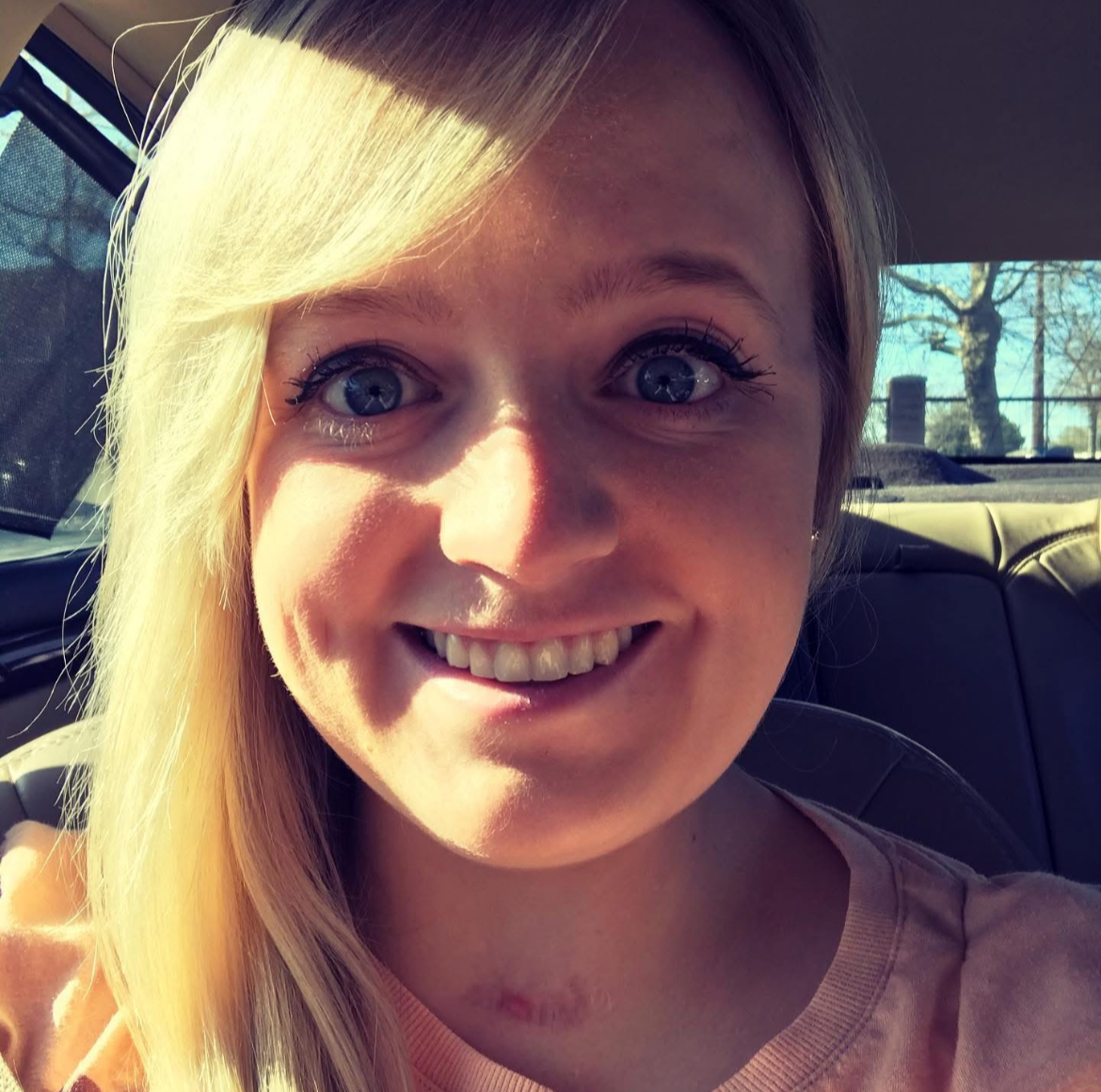
Kilee Hunt
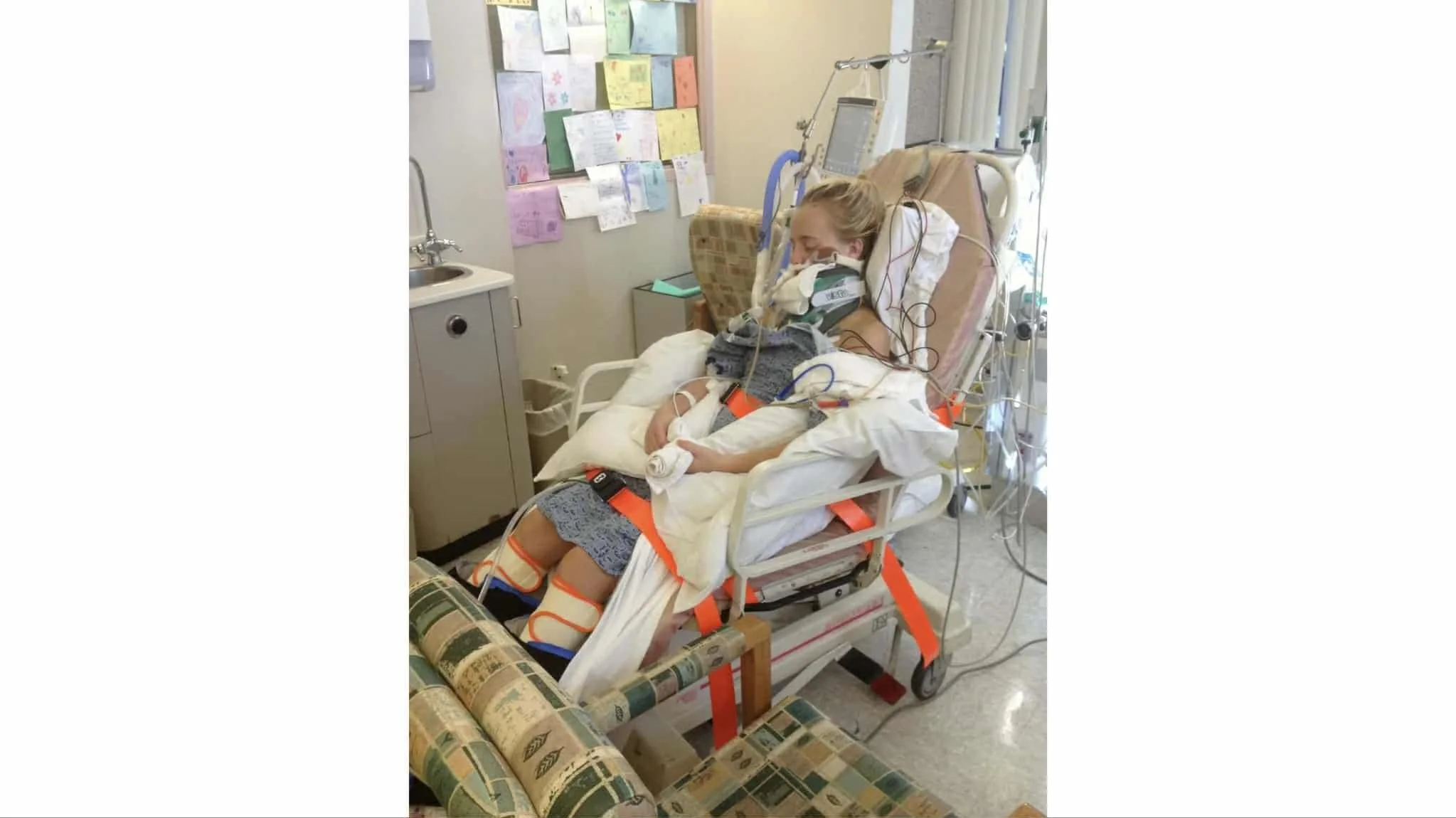
Kilee after her car accident.
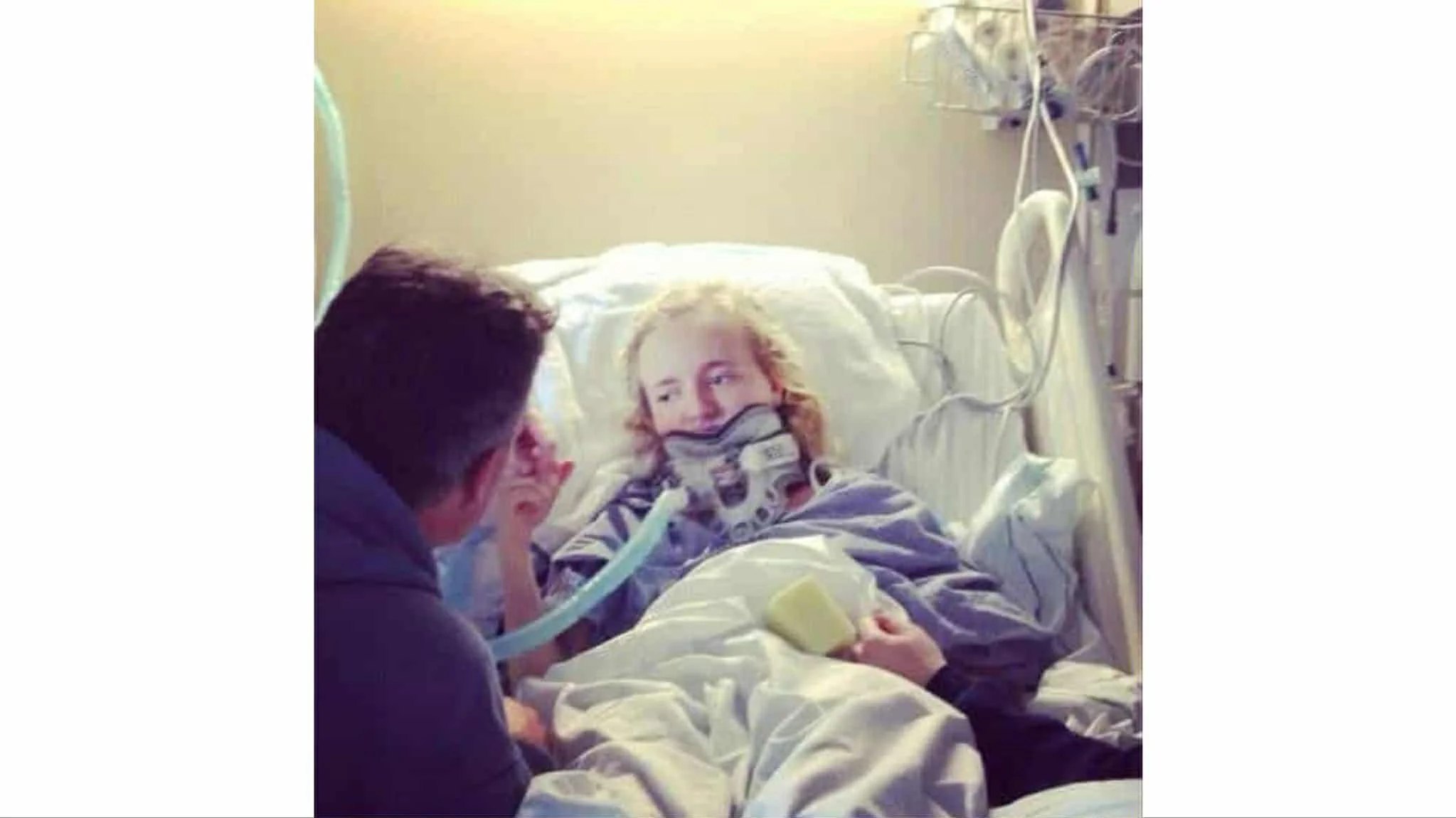
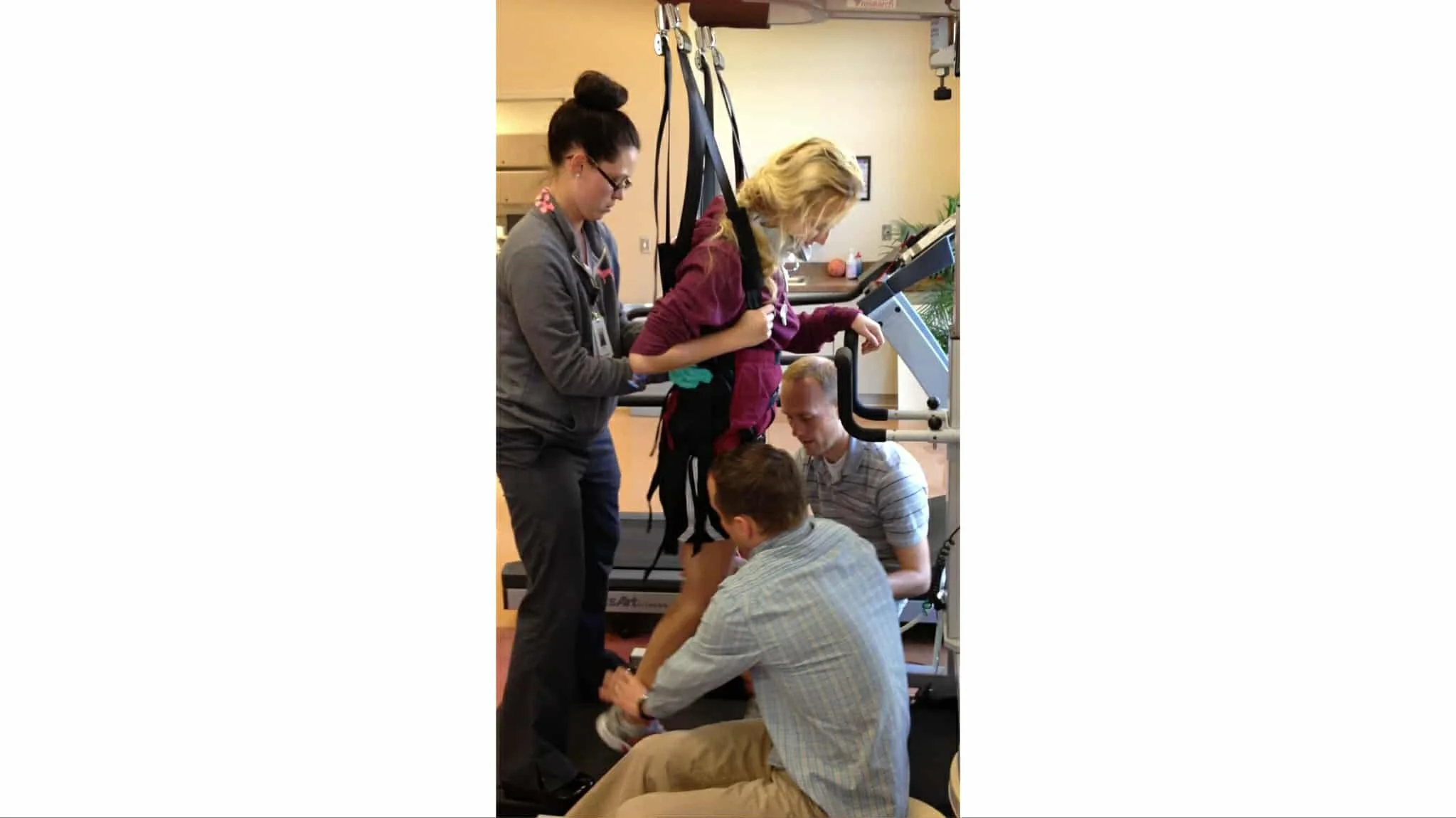
Kilee learning to walk again.
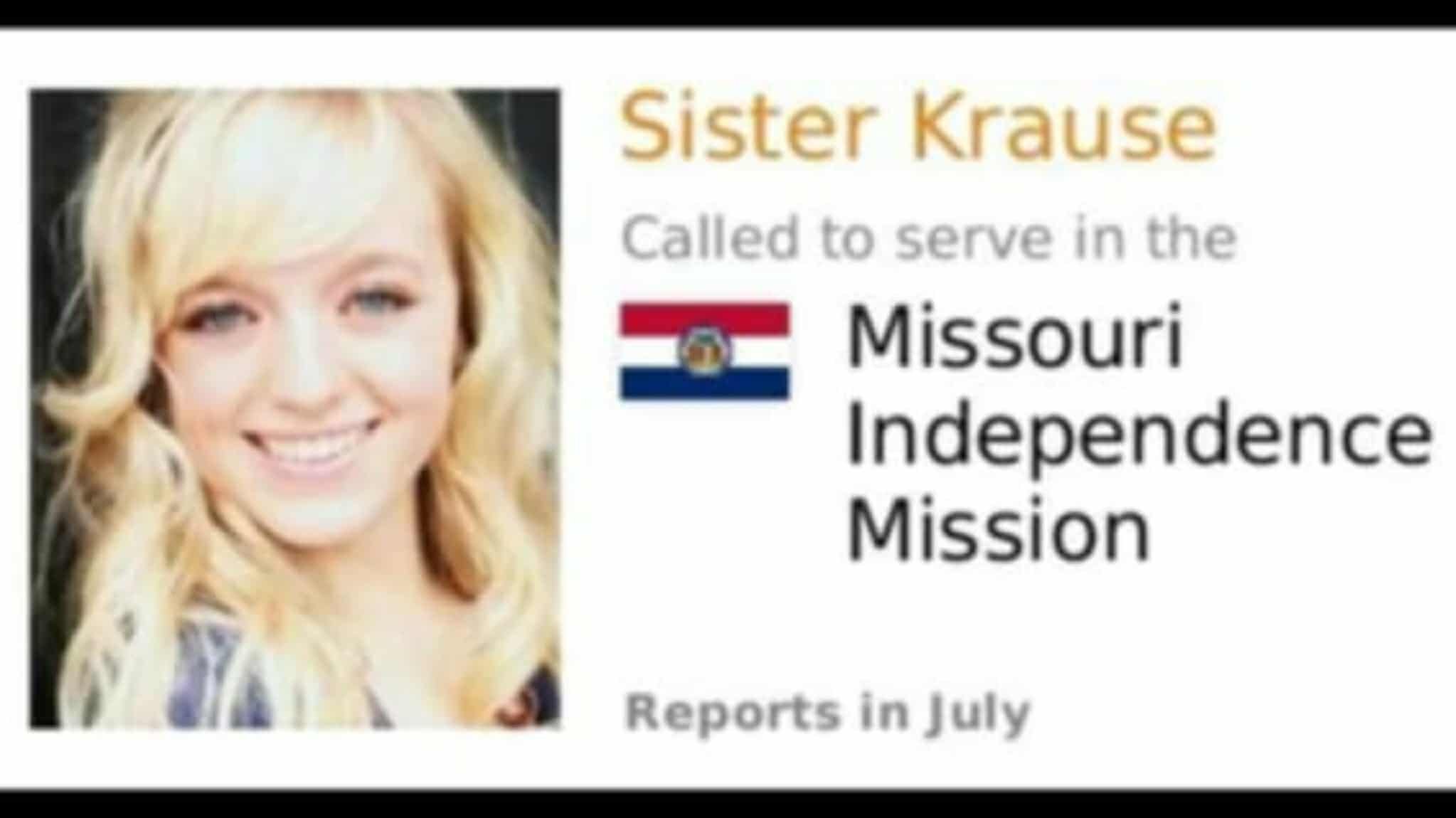
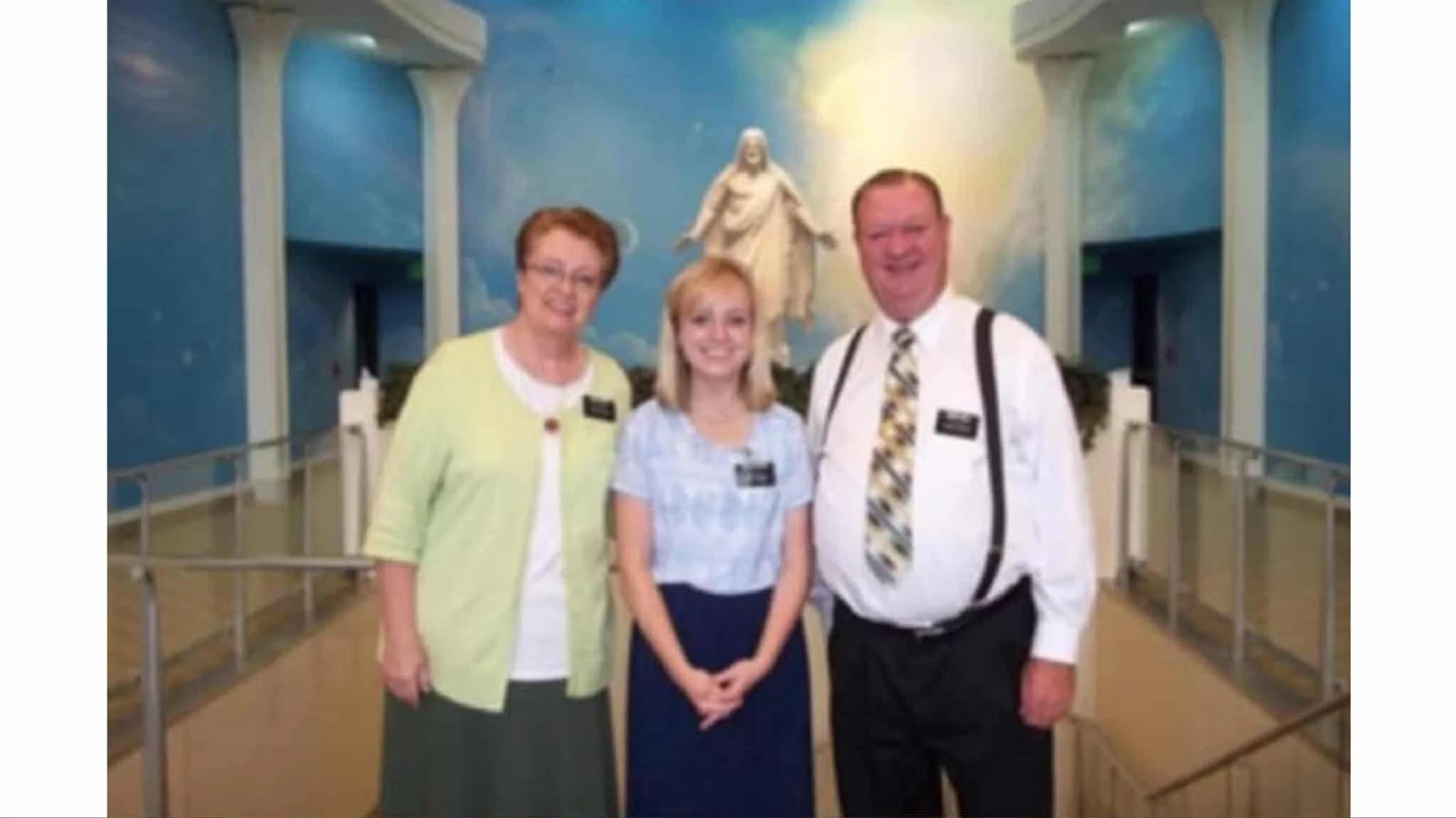
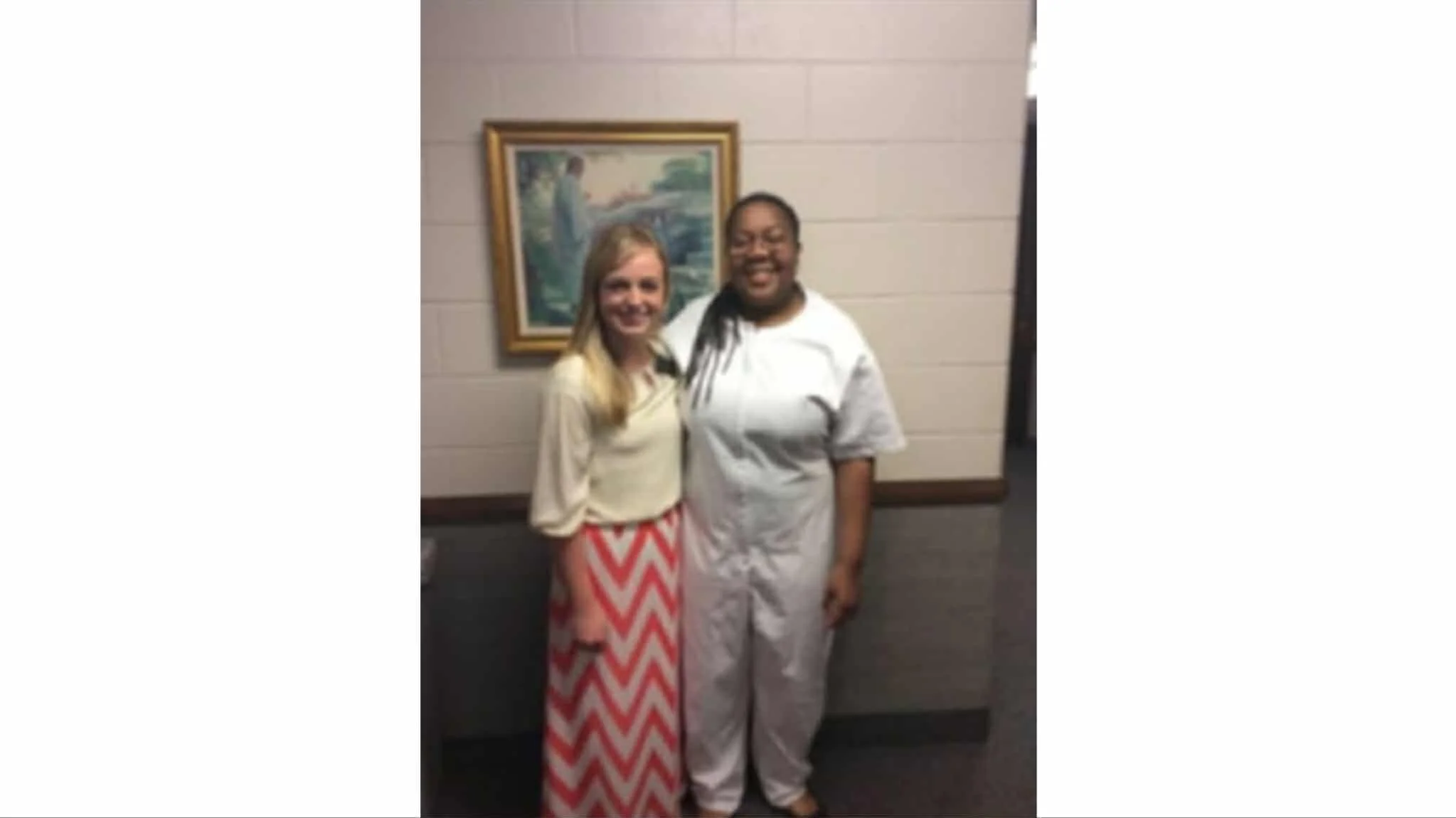
After two years of miracles and healing, Kilee was able to serve a mission for the Church of Jesus Christ of Latter-day Saints.
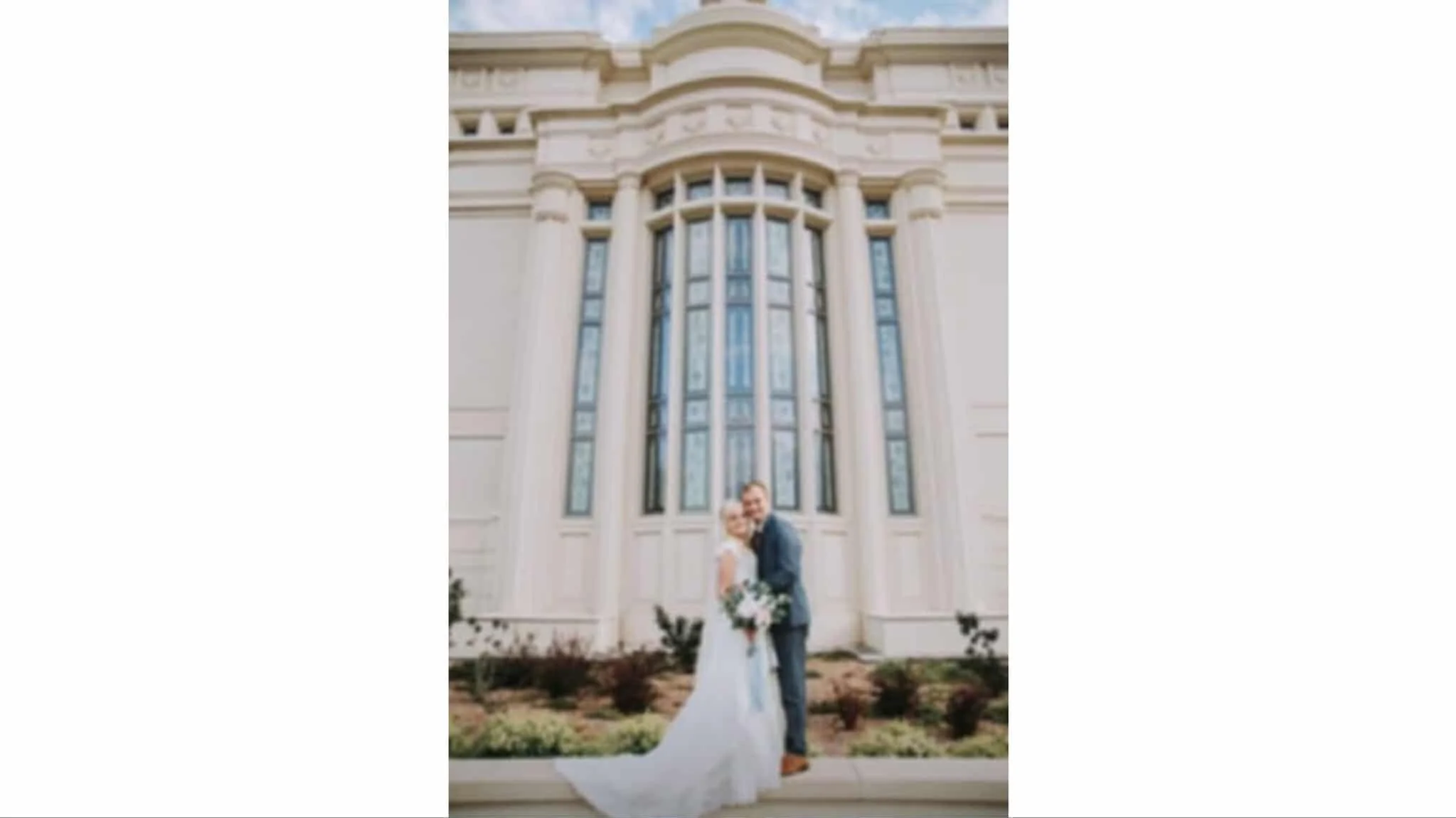
Kilee and her husband.
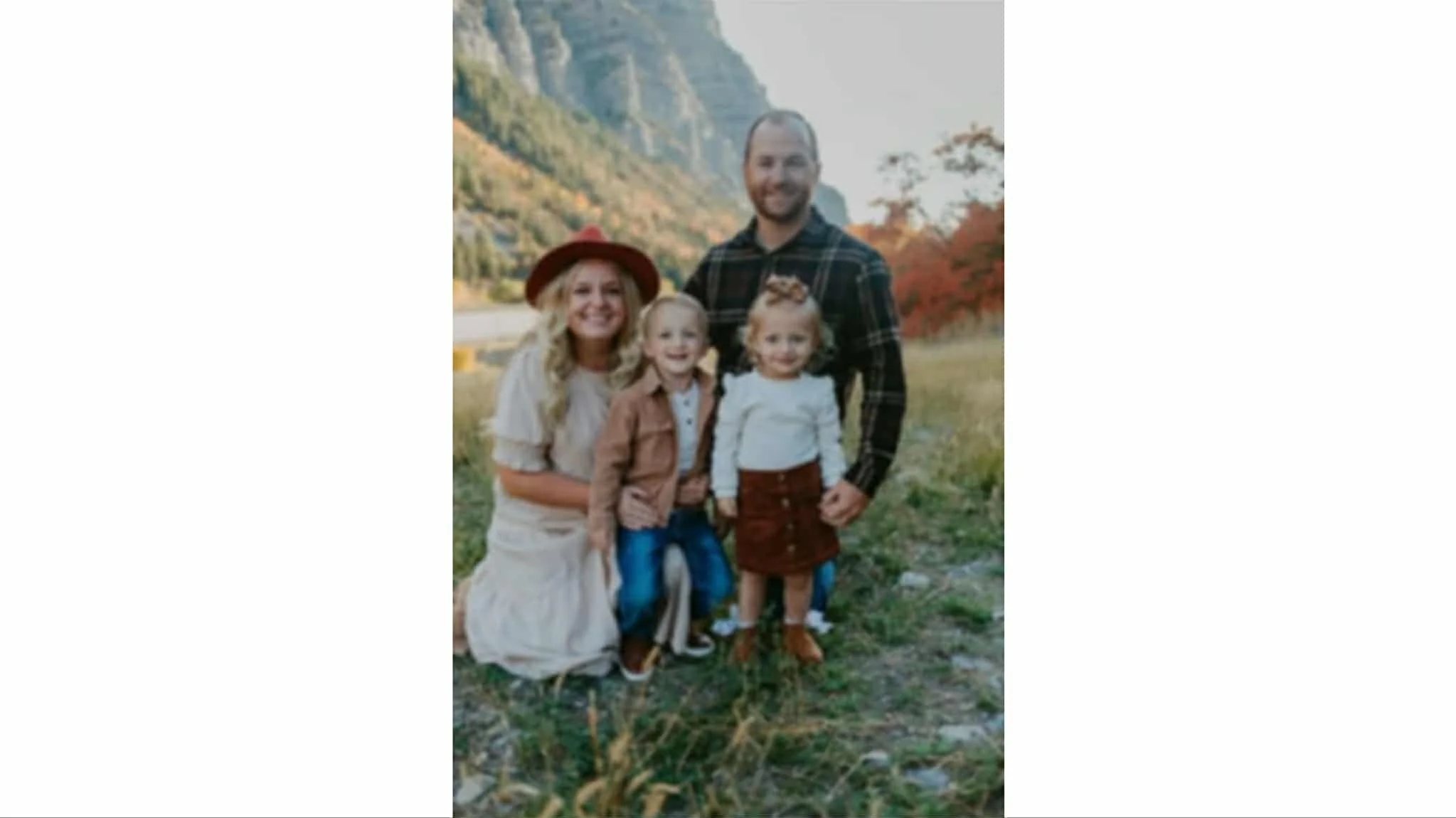
Another miracle for Kilee is her being able to have a family!
Contact Our Guest
YouTube Video https://youtu.be/GIusknBspLA
Facebook Kilee Krause Hunt
Instagram Kilee Krause Hunt (kileekhunt)
Transcript
Haley Freeman: [00:00:00] Hi, welcome to Latter-day Miracles. Today we have Kilee Hunt and we are so excited to share her story. I have been wanting her on our podcast for a while because her miracle story is amazing, and I know that you guys are gonna just love her miracle story and get so much out of her insights. So I'm gonna go ahead and turn the time over to Misty to read her bio and then we'll turn the time over to Kilee.
Misty Smith: Okay, this is Kilee Hunt and she grew up in Lehi Utah. Her parents are Kendall and Tamara. Is it Krause? Uhhuh? It's Krause. She is a child of three, A brother and a sister whose names are Nick and Cassidy. Kilee grew up dancing since she was five years old in the studio on the dance company in junior high and in high school, and moved onto the drill team, dance company in high school.
She went [00:01:00] to Westlake High School in Saratoga Springs and was planning to attend SUU in Cedar City on an academic scholarship.
Kilee is a member of the Church of Jesus Christ of Latter Day Saints, in October, 2012, general Conference, the prophet President Thomas s Monson announced a missionary change lowering the age for both male and female. From 19 to 18 for males and females from 21 to 19.
Kilee felt excited and yet a bit confused and was uncertain about her future because she had just learned about college down there. So I'm really excited to know more about what happened, after and about your story. So, thanks. Let's, yeah, let's get to know
Kilee Hunt: your story. I'm excited. Yeah.
Thank you. So this was back in 2012, in October. Um, I received an academic scholarship to SUU in Cedar City and [00:02:00] I was, had an extended family that lived close to campus. Um, and I was living with them down there. And I worked a full-time job and I got all my classes. I signed up for all my classes and I was studying, I was studying to be a psychology major.
Um, and I was doing my generals. And, um, I had 15 credits my first semester at SUU and I was working a full-time job. I was working from 3:00 PM to midnight every day.
Haley Freeman: Oh, that's a lot.
Misty Smith: Um, so I was, I was kind of tired. No, I was really tired. Um, yeah, how much, I didn't have much of a social life, um, 'cause I was working and going to school.
Um, but I remember it was in October of 2012 and I was watching general conference, um, with my family. We were watching on TV as we normally do, and President Monson said. I received revelation to lower the missionary age and, you know, [00:03:00] I thought of maybe someday I'll go on a mission, you know, if, if I'm not married or I, I thought maybe, you know, maybe and possibilities uhhuh.
And all of a sudden when he said that for some reason, like my heart just stopped. And I remember that feeling. I remember that feeling and I'm like, sorry I'm crying. I don't know why.
I, wow. Do I need to, what do I need to do? And, um, but I, I started school and uh, and I was like, maybe I need to go to the temple and pray about it. 'cause and pray about going on a mission 'cause I just felt the Holy Ghost so strong. Um, so I called my parents and I'm like, Hey, I'm going to the temple this weekend down in St.
George. They're like, okay, take Kyle and Sydney with you, my friends. Mm-hmm. Um, and I'm like, okay, like we're going to the temple we'll be fine. Um, and so on a Friday afternoon, after school and everything, we, uh, got in my car and I drove, a Cadillac [00:04:00] and we were driving and it was raining, and um, I went to pass a car and, um, my car spun out of control and my car hydroplaned and I hit on the side, driver's side door of my car and I was t-boned and my car slid into the median. Um. And I, I couldn't believe what had happened. Um, I was in shock and I, I was hurt so bad and I, I was like, oh, like, why would you let this happen to me?
You know? I was driving down to the temple and being a good girl. Yeah. And, you know, why would you, why would you let this happen to me Heavenly Father? And I was like, oh my gosh, is Sydney okay? Is Kyle okay? Like, what, what happened? And then the rest of it, I, passed out. I wasn't, I was not there. And next thing I know, I woke up and I was in a hospital bed and I was life flighted down to the Las Vegas Trauma unit.
Haley Freeman: Wow.
Kilee Hunt: My friends had to called 911. They were okay. They called 911 and [00:05:00] I was life flighted down to the Las Vegas trauma unit, put in a medically induced coma. And I was in medical induced, coma for 12 days and they gave me a 30% chance of living.
Haley Freeman: Wow. 30% chance?
Kilee Hunt: 30% chance of living. And they said I had a traumatic brain injury, A TBI.
Um, and I couldn't breathe, I had my lung collapsed. My left lung collapsed so they gave me a trach. You see that little scar?
Haley Freeman: Oh yeah.
Kilee Hunt: Trach, down my throat for me to breathe my lung collapse, my ribs were all broken. My ear was ripped.
Haley Freeman: Wow.
Kilee Hunt: My brain was so shaken.
I was so shaken that I had a traumatic brain injury and they said that we don't know everyone heals differently, so we can't tell you if she's gonna come out or not, or if her personality is gonna change. Oh my goodness. Or if she's gonna be able to walk again or you know, have kids or be a mom or live on her own.
They said I had 30%, [00:06:00] 30% chance of living.
Haley Freeman: And so
at this time, your family, your parents were in Lehi, right?
Kilee Hunt: They had just, we had just moved to Fillmore, so I had just left for college and they actually just moved down to Fillmore .
Haley Freeman: So I don't
know if you know this, but I'm from Scipio
Oh, I did not know that.
So I went
to school in Fillmore.
Kilee Hunt: Okay. Okay. Yeah. The, the Millard Eagles. That's my brother. The Millard Eagles. That's my school.
Yes, yes, yes. Small world.
Oh, that's so, such a small world. Yeah. My dad is from Fillmore and so we went back to Grandma Grandpa's house. So well, we live with my grandma and grandpa while our house was being built in Fillmore.
What
Wow. I knew there's a reason
we were doing
okay. That's it.
Like,Scipio and yeah, it's small town, Holden. It's all
Haley Freeman: Yep. We all went to school together
Kilee Hunt: mm-hmm. My dad grew up in Fillmore. Um, we, wow.
We built a house, which is down the street from my, um, grandparents' house and my friends, they got ahold of [00:07:00] my, um, parents and they're like, Kilee has been in a car accident and they were actually at the Millard football game high school game.. Oh. And they ran out of the stadium, obviously. Yeah. And they're like, and they grabbed my sister, she was a cheerleader, Cassidy.
Oh. And she grabbed, they grabs her and they're like, Kilee has been in a car accident. We need to go. And they rushed down to, um, to Las Vegas and they saw me there, so.
Misty Smith: Wow. During this time, were they, were the doctors speaking to you at all or were you saying No, I was, I was so, I
Kilee Hunt: was glazed over. I was in a coma and so, yeah, I was not.
Haley Freeman: Do you remember what it was like being in a coma?
Kilee Hunt: No, no. I remember I was being confused and I kept asking my mom, are we at the mall? Are we at the mall or are we at Disneyland? 'cause those are my favorite. And so I kept asking her, you know, where are we at? And the therapist kept asking me and I said, we're at the mall or we're at Disneyland.
Those were my two [00:08:00] answers. I'm like, no, we're not at the mall or we're not at Disneyland.
Haley Freeman: You're darn it.
Kilee Hunt: You were, I know, right? You were at a car accident. You were in a, you were in, you were in a coma. Um, and I, I didn't remember any of Wow. So. Wow.
Misty Smith: Okay. So you said your friends were okay.
Kilee Hunt: They were okay. Yep. And they actually. Sydney, the other girl, she served a mission. She went on to serve a mission and Kyle is still back at school and he got married. So yeah, they're both doing great. They weren't hurt at all, which I'm so glad.
Misty Smith: Good for them.
Kilee Hunt: But yeah, they were okay. But they called my uncle and they called 9 1 1 and that's how we were able to figure out who I was.
Misty Smith: So, so that was the tender mercy for that? Yes. I mean that you had people that were conscious to be able to, right. Right. So, okay, so then what happened after that? Your recovery and, um,
Kilee Hunt: So after that was multiple year, it was like a five year recovery. Um, [00:09:00] I was in four different hospitals over like a seven month period.
Um, and I was. I had a neck brace and they, I've had surgery, multiple surgeries on my trach, tracheotomy hole. Um, a neck brace, learned how to walk, talk, eat, chew, do everything again. Um, all while within these couple hospitals and when they sent me home. They're like, we don't know. Every brain injury patient is different.
Everyone's brains healed differently. So we don't know if she is like gonna be a full functioning TBI patient, um, or we can't tell you. We don't know. And. Um, and I had a behavioral therapist named Gwen Evans, and she worked with my mom. My mom is a school teacher at Fillmore Elementary School I went down with my mom and we worked, I worked with her, um, once a week down in her little office at the [00:10:00] school. And we did, we memorized scriptures 'cause she knew on a mission. And so I memorized scriptures like scripture mastery, um, to help me, regain
my memory. Wow. And with my functioning. And, and I did that every week, um, for about. Two or three years. And then I finally went to the doctor and I got another physical and she signed me off and she said, okay, you can put in, you can start your mission papers. Um, and I was thrilled because I was told I couldn't serve a real mission.
I could serve an accommodated admission, for those individuals that need some extra help, um, which I was happy to do, right. But, but I was like, no, I, I'm gonna work hard and I'm gonna, I'm gonna go on a real mission. Mm-hmm. 'cause I promised Lord I would do that. And, and then I turned in my papers mm-hmm.
And all my, all my medical papers from all my doctors and all my surgeries. [00:11:00] Um, and then I got my mission call, um, to serve in the Independence, Missouri mission, the Zion mission. Wow. And how long. After the accident was that, let's see, so I went, um, I had the accident in 2012 and I served my mission in, uh, 2014.
Well, yeah, 2014. Wow. And then I got home in December, 2015. Wow.
Haley Freeman: So, so take us back. Take us back to you coming out of the coma. Do you remember that day or,
Kilee Hunt: um, I remember being confused. Again, I didn't know where I was at. Right. And I remember my mom was telling me, Kilee, you were in a car accident.
You, you were in school. Um, SUU you, you know, these are your friends, and you got in a really bad car accident. And I couldn't remember any of my college experience, my classes really work. Anything. I couldn't remember anything. [00:12:00] So it's like 50 First Dates or one of those, one of those drama movies.
Yeah. In my life I could not remember a thing. So, so
Haley Freeman: each day you were kind of losing memories. Wow. Yeah.
Kilee Hunt: Every day I, they started over. My mom would come in my room and we take it. We were living with my grandma and grandpa. Well, our house was being built in Fillmore, so I was like, why are we living with grandma and grandpa?
Let's go back to Lehi And they're like, we don't live there anymore, Kilee. Um, wow. They came in, they're like, hi, sweetheart. Good morning. What day is it today? I wouldn't know what day it was where I was at. I was like, oh, I'm at grandma and grandpa's are we, are we visiting? What are we doing here?
And they had to explain to me, oh no, we moved. We moved to Fillmore and you were in a car accident and you moved down to Cedar City. And we live here now. Our house is being built up the road and every day we had to start over. Wow. And I would just start crying. And my parents, they, they felt bad, but I understand their [00:13:00] frustration because I would be so frustrated having to tell my daughter the same thing every day.
And so, yeah, and I would get frustrated with myself. I would start crying and they're like, well, Kilee, we don't know. What if your memory doesn't come back? Because every person is different. We, we don't know. What if your memory doesn't come back, sweetheart, are we gonna, how are you gonna live? How are we gonna do this?
Misty Smith: Well, okay, so how long did your family help you remember every day?
Kilee Hunt: Um, I would say like two years. It took a, it took a good while because, let's see, it was in 2012, my accident, and then I served, I went into the MTC in July of 2014. So. Yeah. Uh, um, about two years.
I think that, or I know the people that I'm, I've met, I met in Missouri that there was a couple people who had, you know, brain [00:14:00] injuries and really hard medically challenging, um, trials that they were going through.
And I know that the Kilee before the accident, you know, just would've been like, oh, you're okay. Like, we can do it. You can do it. And you know, like kind of just pushing aside, but the the transformed Kilee, I like to say was more empathetic and I understood, you know, oh, I am so sorry, like I'm so sorry that you feel this way and have to deal with this every day.
The Savior understands what you're going through every day, and I promise you, and as a missionary as you continue in these, um, lessons that he'll help you retain this knowledge and, help you, understand these teachings. As a missionary, I was able to promise, things with greater like strength, I guess, um, with a greater assurance, you know, saying that, okay, I promise you Heavenly Father will, [00:15:00] um, help you remember these things.
Misty Smith: So constant daily practice, it seems like that got you remembering and the love of your family members that got you there. Like having someone to care for your needs on a daily basis that helped you remember, and then, and then you start remembering day by day. Or did it just
Kilee Hunt: all come it day by day? I wrote down, I had a little calendars, um, that my mom bought me, and I would write down, well, I did every single day in the order that I did them.
And then I would go back that night and then look over what I did that day. And then I wake up in the morning and look over that list and say, okay, I did this and this and this, and that would connect the neurons and help my memory, um, come back. And I was able to do that on a daily basis
Misty Smith: So curiosity, do you remember things in your past or are [00:16:00] there things that, like your family brings up and you're like, I just can't remember
Kilee Hunt: there, there's some things that they bring up and I'm like, oh, I've never heard that before. And they're like, oh, we've told you this story like a bajillion times.
Yeah. But then there's other times where I'm sure they just. They just brush it off, and they're like, right, Kilee. Just can't remember.
Haley Freeman: When we ask you what are your top lessons you learned, one of the things you wrote is you never did anything wrong to deserve this or to be punished.
And I think that's really hit me. Through some trials, I've been through that it's not like your fault, you didn't do anything wrong. You're not being punished to have this trial. So do you wanna say any more about that?
Kilee Hunt: Yeah. Um. I thought for the longest time that I did something wrong or I didn't do something and I, I was being punished [00:17:00] and I thought, I am trying the best I can.
Why would you let this happen to me? But then, I was able to serve in a Liberty jail and that's where Joseph Smith was confined in the Liberty Jail for four and a half months in the coldest winter in Missouri recorded, um, and the prophet, the prophet, out of all the people, he kept asking, why, why God have you forsaken me?
Why would you forget me? And, and I just would burst some tears in my, presentations because that's exactly how I felt. I am, the Lord had forgotten me and is letting me suffer through all these things, and I was trying to be a good person and drive down to the temple and he let this happen to me.
But because of that, I've been able to touch not me, the spirit, so many people that they may be going through, you know, not [00:18:00] necessarily memory loss or a car accident, but other things. And that I hope that the spirit can touch them through me and me being a spiritual instrument in the hands of God.
And I think that's in Alma 29 9. Mm-hmm. And it talks about being instruments in the hands of God to bring some souls to repentance and this is my joy. And, um, that is, that was my mission scripture, that, that makes me so happy. You know, just to be an instrument in God's hands. And it was not fun going through that, but I learned so much and being able to use my experience it helped me learn to empathize with people.
And saying that, Hey, things happen to you that aren't fair, and that's okay. We can get through it. Heavenly Father loves you and he did not abandon you.
Misty Smith: I love that. So with looking into this topic, um, [00:19:00] I pulled up a scripture that I really love. It was president, Nelson, Prophet Nelson, just our last prophet.
He said, difficult trials. I'm so sorry.
Haley Freeman: Emotional.
Misty Smith: Um, okay. He said difficult trials often provide opportunities to grow that would not have come in any other way. Adversity is a great teacher. Um, I don't know how to get this across to people. I was honestly just talking to Haley about this. As much as we don't like the difficulties, I truly enjoy when I see someone struggling.
Um, it's something I've talked to my husband about that, it's kind of a guilty pleasure to watch someone and know they're struggling [00:20:00] because I know that they're gonna get through it. I know that they're strong. I just, Misty, just, just a woman who's trying knows that. Then how much better are you knowing that God, our heavenly Father, loves us and knows what we can become after, and how many people we can touch?
After that. So I, I truly do enjoy it, as difficult as it is. And, and I love also being the hands in service. I think. I think a big part of your healing, I guess maybe to me, correct me if I'm wrong, but part of your healing is literally taking the next 18 months and you devoted your every second to God.
And by service and serving others, we become selfless and we turn everything to Him. And in that He can mold us [00:21:00] to be whoever we need to be for others. And so for all those who aren't on a mission, it's, it's our motherly duties. It's the sacrifice we give within our neighborhood, our wards, our families.
Um, even if you wake up for yourself every day and get up, I feel that service because you are moving past the hurdle that Satan wants to bring you down and you're helping yourself. So I feel like service probably helped you in this, right?
Kilee Hunt: Absolutely. The service, because I was in a coma, I didn't have a, like a good state of consciousness.
Like I didn't know where I was. And so because of the service of others. Through all my therapy, physical, cognitive, emotional, all the different kind of behavioral therapists and therapies , the like, if it wasn't for them, I would not be here. And [00:22:00] all of the, with all the work and all the progress and time that they've spent, um.
You know, teaching and helping me to do the basic things. I remember watching videos of, of me trying to put on my socks. Mm-hmm. And my mom's like, Kilee, you gotta lift up the leg sweetheart put your sock on. And I was just, just glazed over and I could not put on a sock. And just the simple, the most simple things.
So simplest things that you take for granted. I, I know I took for granted a lot.
Misty Smith: I have a question with that. How has this changed your family's life, where they served you on a day-to-day basis?
Kilee Hunt: I think, again, with empathy and becoming more like the Savior, because I couldn't do anything for myself because I was a vegetable.
I couldn't brush my hair. I couldn't brush my teeth. Mm-hmm. I couldn't do anything. And so they had to really, um, [00:23:00] help me do those basic everyday things. And I think they, again, with empathy and looking towards the Savior, they had to, with service, they had to serve me on a daily basis. And that is the most Christlike, charitable thing.
Um, that we can do every day.
So
Haley Freeman: our stories are similar in a lot of ways. I had an eating disorder, which affected my brain. It destroyed my brain where I was in a state of the same way, because it broke my mind to the state of psychosis. And I didn't know how to function either.
I didn't know how to brush my teeth. I didn't know how to brush my hair. I didn't know how to put on my socks, but it was just because my brain had completely deteriorated from the eating disorder and my mom, had to do all those things for me as well. So I can relate to you like completely, I couldn't comprehend how to do those things.
Kilee Hunt: It's, it's amazing the brain. It just, it's mm-hmm controls everything, so. [00:24:00] Mm-hmm. Well, I'm glad you're doing so well, and, and
Haley Freeman: the same for you. Yes. Yes. Miracles are amazing. So they are! They are.,
Misty Smith: so another question, how has this affected your family now, your husband, your kids? Is this a blessing for them?
Kilee Hunt: This is definitely a blessing. So, um, with reminders and I use my phone Siri for everything. If it's not in the calendar, mom doesn't remember, and my kids know that and take advantage of that sometimes. They're like, oh Mom I told you. And I'm like, no you didn't. No you didn't.
They're, they're like. Getting the phone. Oh, that I, I got you. But, um, if I don't write it down on my phone and have Siri remind me, or my husband, Eddie, remind me, then I don't do it. I just forget it completely. So I have to write it down, write everything, everything down. [00:25:00] So
Haley Freeman: long term, you've been affected by memory.
Is there anything else long term that you've been affected by? Um,
Kilee Hunt: my, my balance, I, I used to be a dancer in high school, you know, drill team and dance company, and I did studio dance outside of that too. And I, my balance is so bad now. I cannot balance on one leg. Like I cannot balance at all. And my flexibility, obviously as a dancer, I, I don't, I have no flexibility anymore.
My balance is off. I just can't, I can't dance and it makes me sad, but I have a treadmill and I'm starting to run and do like five Ks and stuff.
Misty Smith: Wow. But way to go. I'm the runner. Thanks. So way to go
Kilee Hunt: and like, it's not as fun as dancing, but I can do it, and it gets me going and it gives me something to work towards.
Haley Freeman: So good. But that's phenomenal. Coming from a 30% chance to live, to just, you know, that's all that's left So good job.
Kilee Hunt: Well, thank you. [00:26:00] It's, it's amazing. And, um, I'm not saying I'm amazing. I'm saying God is amazing I want to make that clear. I don't wanna be like, oh, I'm just all that and I did all this and no, this is, and Jesus Christ and the atonement that has carried me through everything because absolutely there was, there was times when I
wanted to commit suicide.
Haley Freeman: Yeah.
Kilee Hunt: I had, I, I thought of it and I'm like, there's just no way I'm gonna do this every day. And I'm like, it is easier if I just die because I won't have kids, won't be able to have kids. I won't be able to be a vegetable. And I'm like, you know what? No, like, I'm here for a reason still, and I prayed in the, in the car accident.
I'm like, keep me alive. If you let me live, Heavenly Father I will serve a mission. I promise. I remember saying that prayer right after I got hit. Wow. Like, if you live, I will serve a mission. I promise. And I, I lived, I'm like, I gotta keep my promise and serve no matter how, how hard or [00:27:00] the challenges along the way.
So
Misty Smith: I have this scripture that I wanted to read too, that goes along with what you were saying. It's in Doctrine and Covenants. 122. Actually, it's in the student manual commentary for Doctrine and Covenants 122. And it says "It is for our development, our purification, our growth.
That we buffet the fierce waves of sorrow and misfortune, and we shall be all the stronger when we have swam the flood and stand upon the the farther shore." So with everything you have shared, you have obviously swam that and you're standing on the further shore. How do you see the benefits of what you're going through affecting your future?
Because you mentioned the difficulties with balancing and the struggle with having to give up things that were you loved. So how are you [00:28:00] standing and how are you gonna continue standing on that further shore? Or what would you give as advice to those that need that?
Kilee Hunt: My parents told me they said, Kilee, it's a bad day, not a bad life. And yeah, you're having a bad day, not a bad life. And that just brought everything into perspective, you know, saying like, oh, like this is too hard. I can't do this today. Or there's times where after the accident I'm like, i'm not gonna get up. I'm not gonna try today. I won't remember anything. I'm just gonna lay in bed all day. And I was just depressed and, and. I'm like, I'm here. I'm here. I promised Heavenly Father I would serve a mission and I'm gonna keep that promise gosh darn it. Like I am gonna do everything I can.
I, I need to work hard. And that's what I promised Heavenly Father and Jesus Christ I would do. And there was days where I just, I didn't do much and it was too much just to get up outta bed and [00:29:00] get dressed. But if I did that one thing that day, great, move on next day, then I would have a different goal and I would just set daily goals every day and bigger and bigger and bigger to where, you know, I finally got to go on my mission, and serve in the visitor center in the Liberty Jail.
Learning the history was so hard because I couldn't retain any of the information that we would talk about on tours, and they would have, um, recordings, like audio recordings that would play every time the presentation started over. And so I would listen to those recordings over and over and over Wow.
On the tours. And so by like the sixth month. About like the ninth month when I further, when it got further into my mission, then I could really understand, okay, this is what they're talking about. Then I could retain the information and use it on my tours, because I'm sure my, the first couple of months on my tours, people were like, what is this girl talking [00:30:00] about?
Like, she's a new missionary, she doesn't know. Um, but that I could remember and things stuck. Then I could retain more and more history as I took more and more tours, more and more people through.
Misty Smith: I can't help to think that's a tender mercy that you're put in that situation because many missionaries don't get that right.
You needed it and it's like God knew what you needed to succeed, so he put you, it was a tender mercy.
Kilee Hunt: It was, and being the visitor center, I mean, proselyting , I still did proselyting too. Um, but I just followed my companions. I was kind of like a little puppy dog. Okay. Where today, like, who, okay, what lessons are we talking about?
You know, what lesson do we need to talk about next? But the visitor center was great because I knew what I was gonna talk about and history that I was gonna talk about and just different people came in every day and I could recite and talk about different things every day and the spirit.[00:31:00]
I'd said so many different things on my presentations that I knew it was the spirit because I would not, I did not, I would not say those things, but I would feel the spirit and I would say things and I'm like. I'm so sorry. And they're like, no, that's exactly what I needed to hear. And they would come up to me and just in tears and like, Sister, like you are an answer to my prayers.
I needed this. I needed to be on your tour today. And I know that being a visitor center Sister is, is still, um, a mission is still, you're still being a missionary, I thought, you know,
Haley Freeman: of course
Kilee Hunt: it wasn't.
Haley Freeman: Absolutely.
Kilee Hunt: Yeah. Just because you're not a proselyting missionary and I still was for half the day.
Um, and we had one full proselyting day a week, but I was still taking members or less actives. Right? There are less active members or their investigators in through our tours. And they would fill the spirit and they would get their, um, we had, um, the [00:32:00] referral cards at the end of the presentation and they would give us their information.
And visitor center sisters, we, I do a lds.org. Um, the link where it says click to talk to the missionaries we're those missionaries. So we would go down the stairs on our shift at the visitor center, um, and we would talk to people on lds.org. Some, sometimes they were they were jokesters, they were not being
Haley Freeman: right.
Kilee Hunt: You know, they weren't being, we're like, oh, it's one of those. Yeah. Then we would have those people that were really like, I need to know this. I need to know this. And like, okay, we'll answer, we'll do the best we can and, and we'll send, you know, missionaries to your area. And I mean, we did teaching online too, so it was a great way to teach to people all over the world.
You know, being at the visitor center as well. So I loved doing that.
Haley Freeman: And another miracle is you did end up having a family. You do have children.
Kilee Hunt: I did. I did, yes. Thank you. So I have a picture of my family,
oh, [00:33:00] miracle. So there's me and my son, Thomas Jacks, and then Cassidy. Cassidy, and then Eddie is my husband.
Oh, oh, wonderful. So beautiful. So beautiful. Thank I love that you guys love.
We have two, we have two beautiful kids and, a wonderful dog spot. So we have a boy and a girl, and. Yes. I'm like that. That's great. We, we have kids and I couldn't be more grateful and more, we couldn't be more blessed, so
Haley Freeman: That's wonderful.
Do you have, a final message that you would like to share with our listeners?
Kilee Hunt: Final message. I would say it would be, no matter, the type of day you're having or your circumstances. If you put it all on Jesus Christ and Heavenly Father, if you put it all on God, He will be there and He will be there and support you through anything you're going through.
Whether that's [00:34:00] physically demanding or that's mentally. Um, anything sorrows, sadness. I have depression now. There's days where I can't get out of bed. Just things, you know, mentally, physically, anything. Um, if you put it all on God and Jesus Christ, that they will help you through and that nothing is impossible through our Savior.
Haley Freeman: Nothing is impossible through our Savior.
Misty Smith: Amen.
Haley Freeman: Absolutely. Well, thank you so much, Kilee, for being with us. It's been an honor and this has been so beautiful. Edifying and we just appreciate you spending this time with us.
Kilee Hunt: Well,
thank
you so
much. I appreciate it. It's, it's gone by really fast and I'm like, oh my gosh, we're already done this.
I, I love this, so I love talking with you guys So thank you for having,
Haley Freeman: yes, thank you. It's been an honor to have you.
Kilee Hunt: Thank you.
Outro: Thank you for joining us on Latter-day Miracles. If you have a miracle story that you feel inspired to share, we'd love to hear from you. Contact us on our [00:35:00] website at latterdaymiracles.net or message us on social media. Until next time, keep your heart open to the miraculous and may you feel the presence of angels in your everyday life.
