Episode Twenty-five: Walking Miracle: Abby Stephens’s Journey of Overcoming Paralysis
Host Haley Hatch Freeman welcome inspirational speaker Abby Stephens, who shares her connection to the Cokeville Miracle and then recounts a devastating car accident one week before her wedding that left her with a C3–C4 spinal cord injury and a prognosis of complete quadriplegia and ventilator dependence. Abby describes promptings ignored about seat belts, the crash, and a series of “little miracles,” including immediate help from someone with a phone, an EMT bishop guided by the Spirit, her parents arriving at the scene, and priesthood blessings—one from Elder Jeffrey R. Holland—emphasizing “Thy will be done.” After three months in the hospital, Abby regained breathing, feeling, and the ability to walk, later marrying Cole and building a family, while teaching gratitude, positive focus, humor, and avoiding comparison in trials.
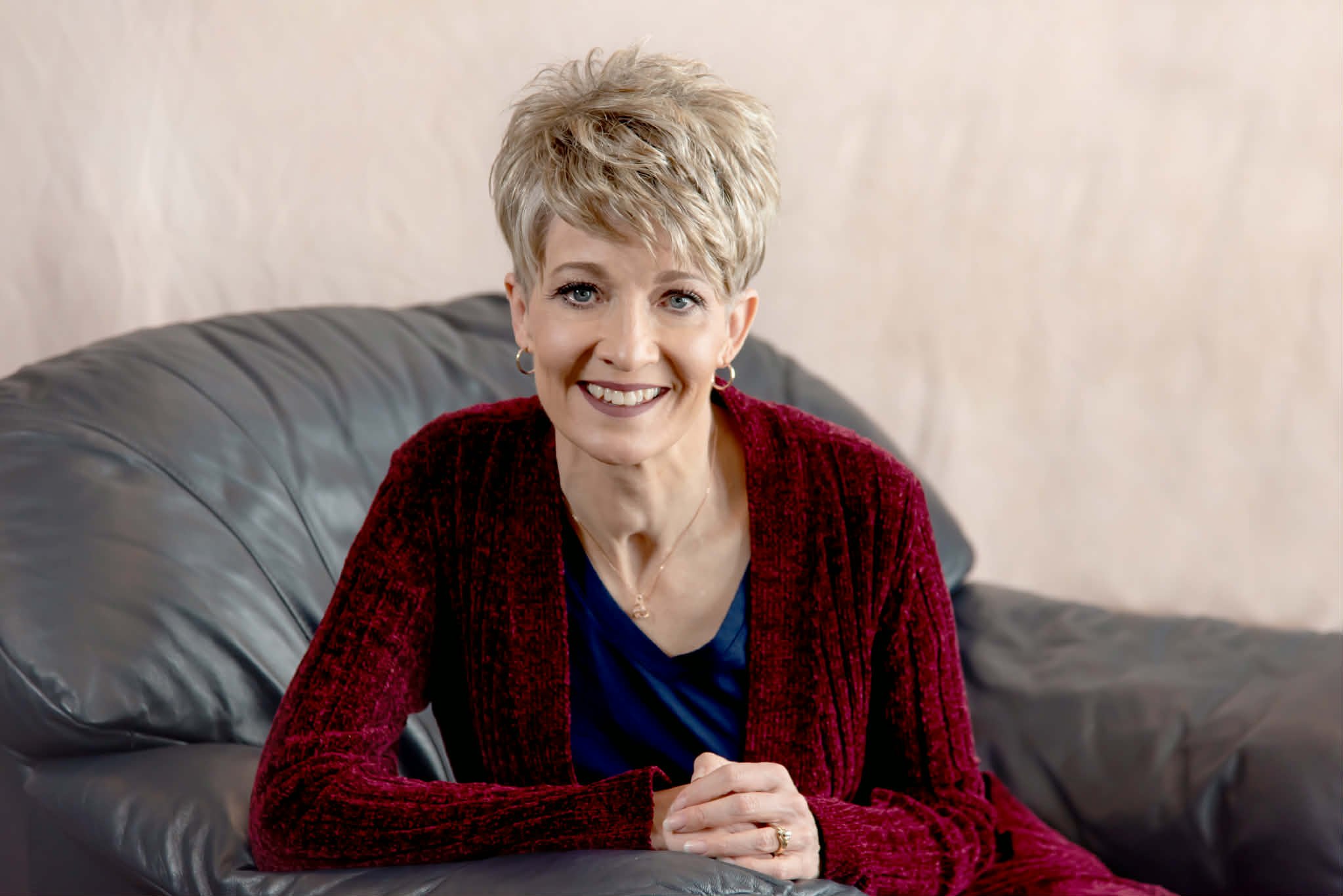
Abby Stephens
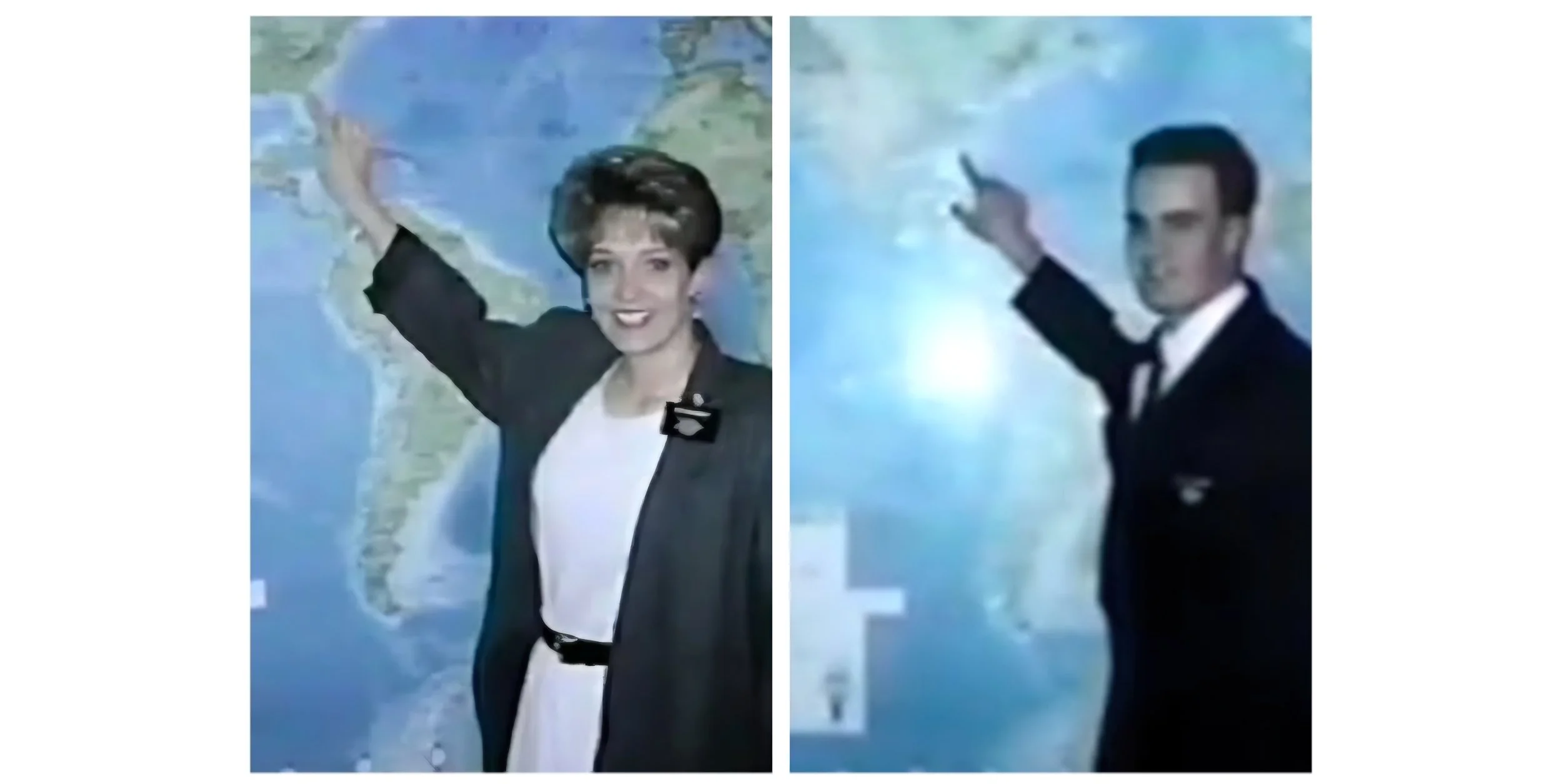
Abby and Cole (her future husband) on their missions
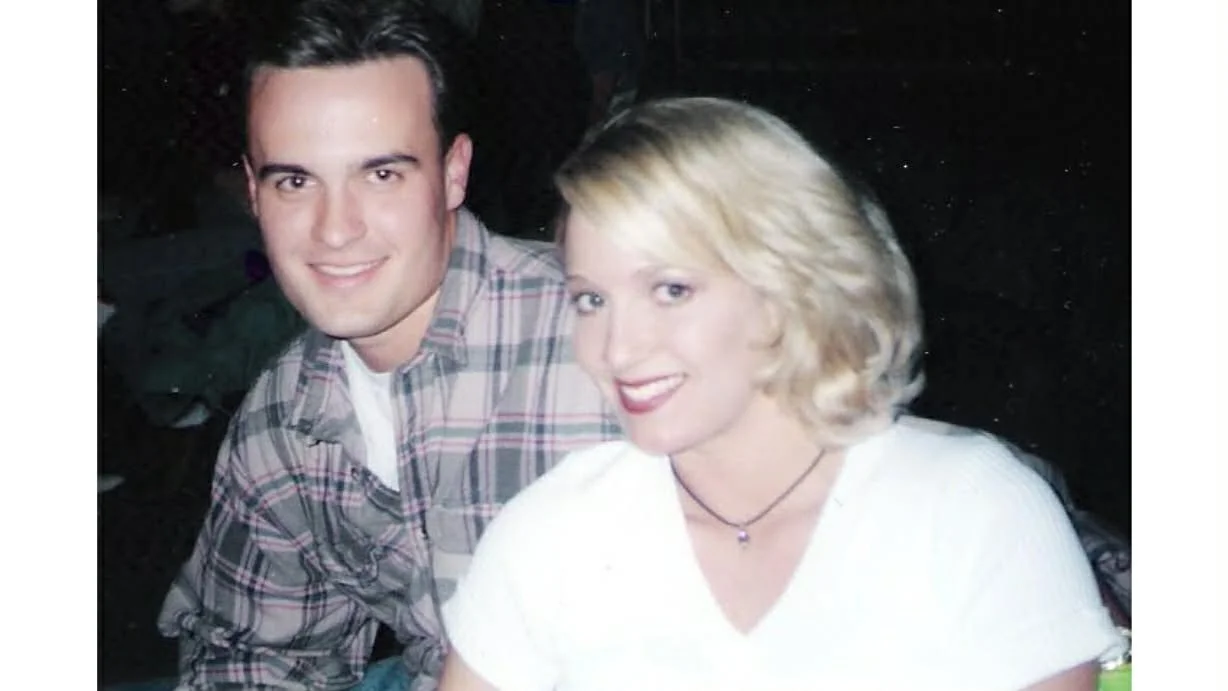
Abby and Cole while dating.
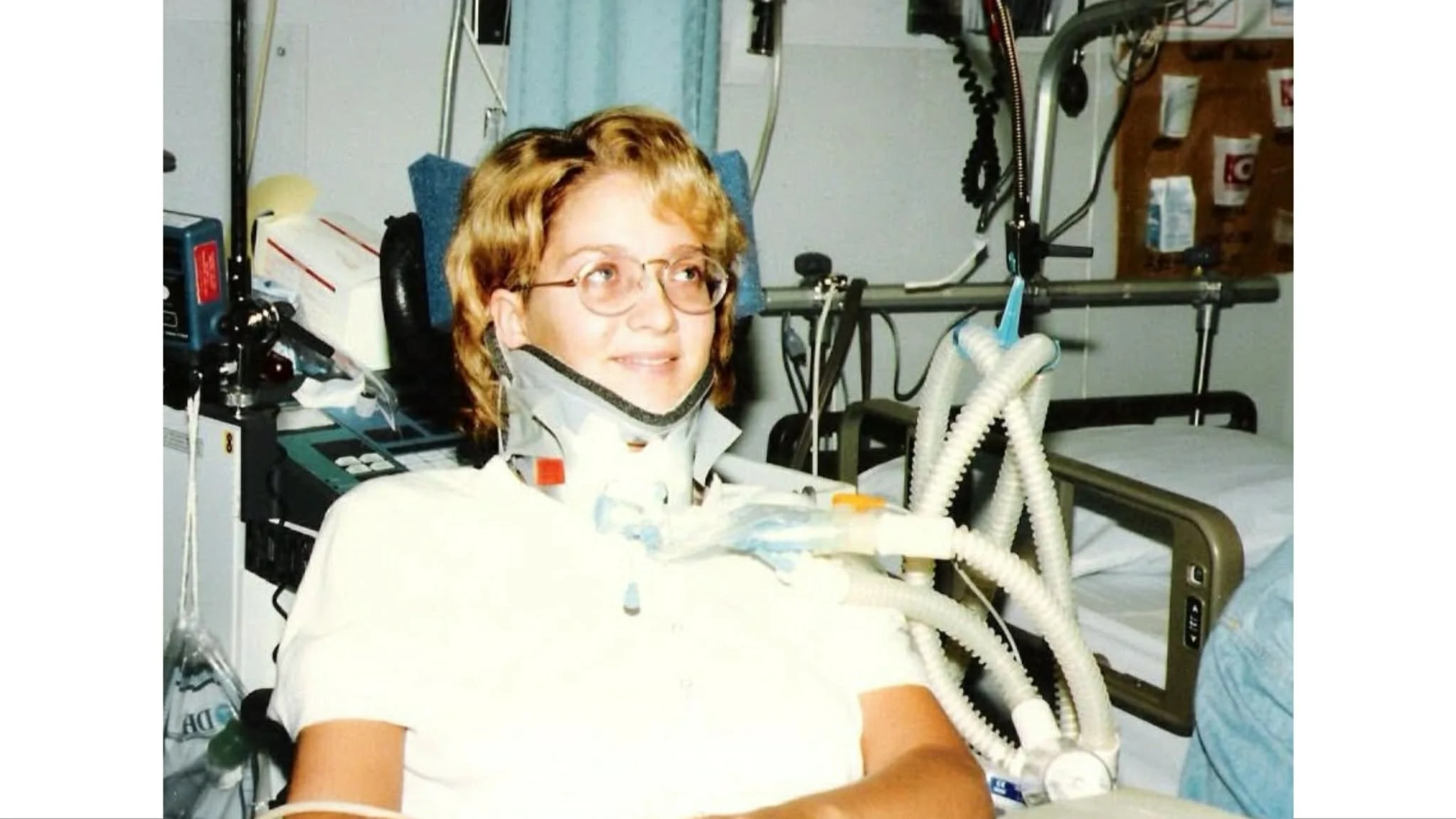
Abby in the hospital after her car accident, after being told she would not walk again.
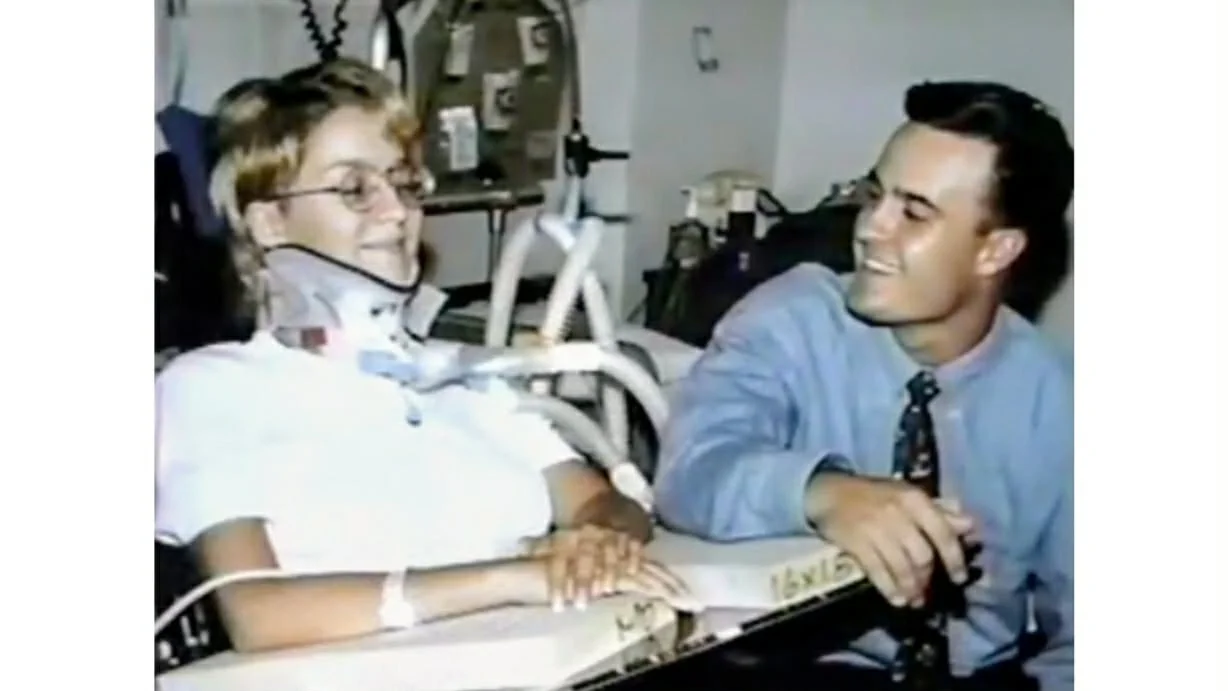
Cole visited Abby every day.
Abby miraculously walked out of the hospital 3 months later.
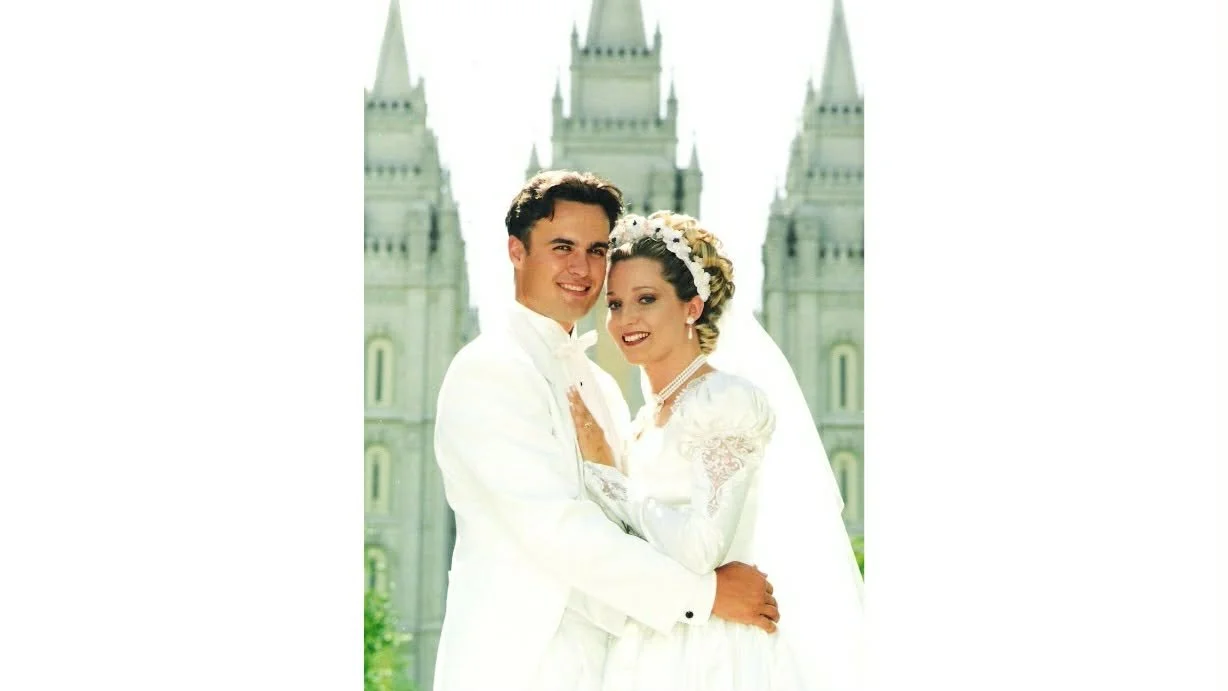
Cole and Abby were married 11 months after the accident.
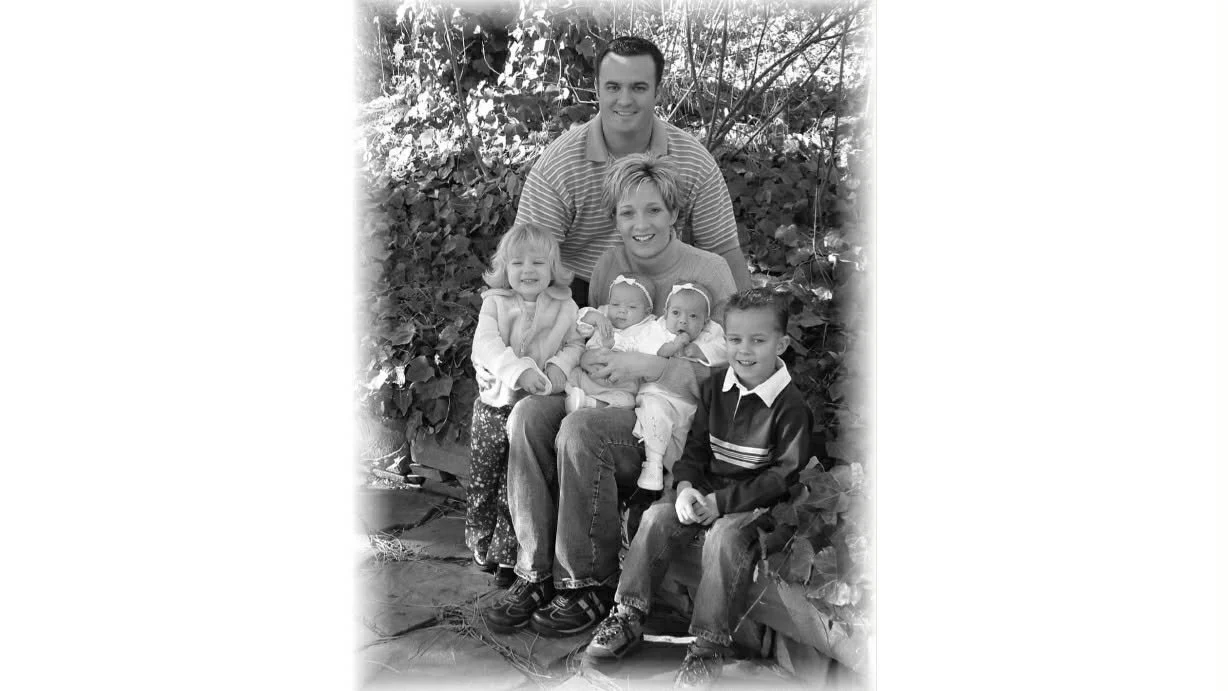
They had four children, including twins!
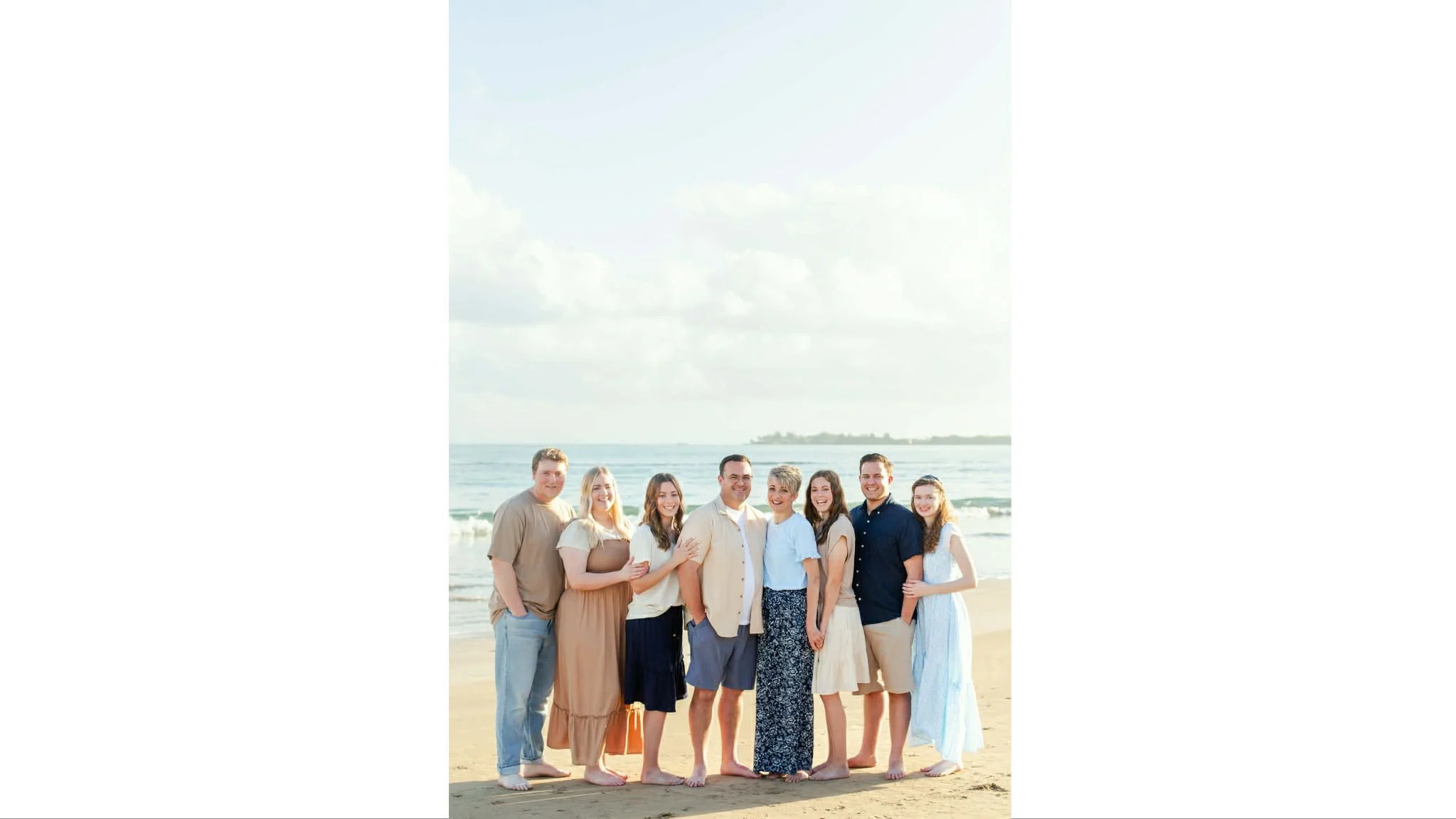
Abby’s family now.
Transcript
Welcome to Latter Day Miracles, where we share true stories of angels and marvels. Get ready to enjoy accounts from everyday people that remind us of divine love, that we're never truly alone, and the power of faith in these latter days. I'm Haley Hatch Freeman. And I'm Misty Smith. Sit back, open your heart and prepare to be inspired.
[00:00:28] Haley Feeman: Welcome to Latter-day Miracles. Today I'm so excited to bring Abby Stephens. She has been a lifelong friend I feel like our paths have crossed, um, in the speaking world NSA world, and her message is one that has touched my heart, and I know it's gonna touch yours too.
This miracle story is one that's undeniable, and I'm gonna go ahead and read her intro. Since my beautiful co-host is sick today, and then we'll send the time over to Abby.
[00:00:59] Abby Stephens: Thank you.
[00:00:59] Haley Feeman: Abby Stephens was raised in Cokeville, Wyoming. She then attended BYU where she was a musical dance theater major.
She performed in the live theater in Jackson Hole, Wyoming. That sounds so fun. She was in other plays and musicals as well. After two and a half years there, she decided to serve mission and was called to serve in the Florida Jacksonville mission. That's where she met her husband, Cole Stephens. They began dating when they returned home and planned to marry on June 28th, 1996.
But just one week prior, on June 21st, they were in an accident that left Abby paralyzed from the neck down. We will let her go ahead and tell the rest of that miracle story. Abby is an inspirational speaker and entertainer. Abby has been sharing her story ever since then, inspiring others to endure through their own trials and challenges.
She speaks in schools about safety and treating others with respect and kindness. She speaks to companies, businesses, associations, and other organizations about how to choose success and learn how to laugh through life's toughest moments. Abby is currently writing a book about her life, and I can't wait to read that.
That's gonna be amazing. And she released her first Christmas album in 2015, and I have that album and I pull it out every Christmas. She has a beautiful, beautiful voice.
[00:02:33] Abby Stephens: Oh, you're nice.
[00:02:35] Haley Feeman: Abby and Cole live in Kaysville, Utah and have four children, Caleb, Taylee, and in an ironic twist, the one armed mom has twins, Karly and Alexa.
The two oldest kids were both married in the last three years and she can't wait to be a grandma even though she's not nearly old enough. I agree. Not old enough to be a grandma. Um, Abby has held many church callings and was recently called to be an education specialist and mentor in the Kaysville, YSA ward, while her husband is serving the bishopric
with there. Being a wife and mother, has been and continues to be the source of her greatest joy. And I'm excited to turn the time over to Abby.
[00:03:18] Abby Stephens: Thank you. I'm excited to be here and I was excited to hear from you when you reached out to invite me on.
Um, your, your story too, Haley. I have your book and so inspiring and you're just a, a light. And so I appreciate, I love that you're doing this. This is a great, great platform. So,
[00:03:39] Haley Feeman: and a fun little connection I think the audience will enjoy because I have so many listeners from Millard County and Scipio our little tiny town there, and I think they're gonna find this kind of fun.
One of the, families that I grew up with in Scipio were the Boyer family and one of them was Jason Boyer, and of course I hung out with the sisters, the Sarah Boyer and Melody Boyer and all them. But, um, you have a fun little connection with Jason Boyer. I think that everyone will think this is fun.
[00:04:13] Abby Stephens: Yeah. So, uh, I don't remember exactly when they moved to Cokeville. I was already gone because, um, he is younger. Uh, but he dated my sister in high school. When he moved there, they started dating and now they're married. So my little baby sister married Jason. We knew him as Buck. Um Yes. Did for a long time.
[00:04:35] Haley Feeman: Yep.
[00:04:35] Abby Stephens: He went apparently up by Buck growing up 'cause there were two Jasons in his class or something. And so that's how the Buck is his middle name and that's how they differentiated them. So, um. I guess sometimes he goes by both in our family, sometimes we say Jason, sometimes we say Buck.
[00:04:53] Haley Feeman: So Yep, same.
Yeah, that's how we knew him too. So I thought that was just a fun small world story that I think our audience will like, because I do have a lot of listeners from Millard and Scipio and those connections. So I thought they, they might like that.
[00:05:05] Abby Stephens: And it is fun. And being from a small town, because I am too, right?
[00:05:08] Haley Feeman: Everybody
[00:05:09] Abby Stephens: knows
[00:05:09] Haley Feeman: everybody.
[00:05:10] Abby Stephens: Everybody knows everybody. And for whatever reason, I guess probably because there are just so few people, then when you play the who do you know, game out in the world, uh, there's just not very many people. So someone knows someone from your small town, you absolutely are going to know who they are, right?
Right. So anytime I mention Cokeville, somebody's like, oh, do you know? And I'm like, yes, I do. And there's this connection and that connection. But, um, yeah, it's just funny how many small world connections there are to our little town, so,
[00:05:43] Haley Feeman: yeah, absolutely.
[00:05:46] Abby Stephens: So, and in fact, I can kind of take it from there because that's kind of a part of my story.
Um, of course there is the whole Cokeville Miracle, um, yeah. The movie, uh, and it's not just a movie, it's a true story. Mm-hmm. Which my little brother was in fourth grade when that happened. It's where I grew up, so I remember that vividly. Of course everybody does because it is a small town and it's the only elementary school. There's just not very many people. And so when people ask, um, you know, if I say I'm from Cokeville, oh, did you know anybody in that school?
And I'm like, well, here's the thing. It's the only elementary school and yes, everybody knows everybody when the population is 550 ish. Yeah. For the whole town. Um, and then there's lots of cousins. I had like seven cousins in the school at the time, so, you know, it was just a wow. Yeah, definitely a connection there, but it was a miracle.
And that's kind of, I mean, it is, I say kind of, but it actually is just a really strong part of, obviously a huge experience in my life. And all of those there that lived there had went through, I wasn't in the school, I was in seventh grade, um, but then having my little brother over in there and just, everybody had their own experience relating to it, whether they were in there or had siblings in there.
Um, but um, it was just obviously one of those really big things that affects you deeply. What, and, and in many ways it can, you know, affect you emotionally in many different ways. But, but we prayed for a miracle , and I, I believe it was one of the first, it was one of the first big experiences where I knew our prayers were answered.
I knew miracles happened. I watched it, I witnessed it. Right. So it just really. Added to what I already had was a pretty good foundation. Had, you know, having grown up in the church, um, a member and, um, you know, just never really had any other faith or belief system. So I, I did believe, I believed in prayer in miracles.
I watched it, and so I knew it could happen, and that just solidified what I already knew. You know, we have these experiences that they each just kind of build on each other, you know, and add to that strength of our foundation. So that is actually where we were headed the day that we crashed.
And, um, oh wow. So like the, my introduction said, I met my now husband . And at the time we weren't married yet. It was a week before our wedding. Um, so his name's Cole. And so instead of being like my fiance at this point, my husband, now I'm just gonna say Cole, and you'll know that's who it is.
We met as missionaries. Um, obviously there was no dating on the mission, just we know we, we didn't do anything wrong. I got back in December, he got back in January. I had gotten to know him as a missionary. You know, we both did. And it was just kind of a cool way to see someone in that atmosphere, in that environment, um, where you see them as a person, as a missionary.
Their testimony, their work ethic, who they are, and of course there's attraction that doesn't shut off completely when you're missionaries. Um, I think we've talked about it. There was a mutual attraction. We just didn't say it or act on it. Right, right. Um, but anyway, long story short, I was very impressed with him and I will admit that I called him first when I knew he was home and I gave him a call.
And the rest is history. Our first big date was Collin Raye. Collin Raye concert.
[00:09:47] Haley Feeman: Yeah.
[00:09:48] Abby Stephens: And so that's fun. Our song is One boy, one Girl, if you're familiar with that.
And, and it's ironic too, so the song says something about, uh, twins. They have twins, but it's one boy, one girl twins. Yeah. Well, we ended up having twins. It's just identical girls. So that part of the song didn't come true, but anyway.
Wow. Um, but yeah, we knew pretty quick. Um, the dating and courtship happened pretty quick. From the time he got home till we had our wedding date set for June 21st of 95. and that's where this kind of starts. We were on June 21st.
My cousin got married down in Salt Lake at the Salt Lake Temple, and he had to work that day. But I went with my family to the wedding, and then, came back, picked him up and her reception, she's from Cokeville and so we were headed to Cokeville.
Their reception was there that evening. So I had all my fam, I mean my grandparents, aunts, uncles, my parents, you know, several siblings that were in Salt Lake that day, that are all traveling then to Cokeville, Wyoming. Now rewinding just a little bit into high school, like dating years.
When you start thinking about future marriage, those kinds of things, I started getting, I, people will do, use different words, but a premonition. A thought, a feeling that something was going to happen to me before I got married.
[00:11:22] Haley Feeman: Wow.
[00:11:22] Abby Stephens: I mean, pretty broad information like that can mean anything, right? Yeah.
Isn't it bad? Good. What does that mean?
[00:11:30] Haley Feeman: Yeah,
[00:11:31] Abby Stephens: right. Um, but I felt it was a warning of sorts and just to be careful. And so I thought about that a lot. And so when we, started getting more serious, I told him that and that we needed to be careful. We needed to obey laws and not take any risks and always wear our seat belts and all the things , if something was gonna happen, I guess it was gonna happen anyway.
But I just was wanting to be prepared for whatever that was. And, and I do believe those things that we get, those feelings, those premonitions are from the spirit as a warning, even though we don't really know what's going to happen, I think our spirits are prepared. We know, I, I truly believe we knew what we were gonna go through before we got here.
Yeah. Um, that we volunteered for things. And I laugh because, you know, some people, when I found out I was pregnant with twins after all of this, I'm kinda skipping around, but people are like, what? After everything you've been through, I'm like, right, that's, it's hard. But a friend of mine was like, I don't know what line you were in in the pre-existence, like a buffet, I guess.
Like, I'll take a little of that, A little of that. Oh, gimme some of that, gimme some of that. She's like, I'm glad I wasn't in line behind you, but you were just taking all the things. Um, and I mean, I say that jokingly 'cause definitely people have been through way harder things than I have, but it's just funny that.
After everything. I get pregnant with twins, which I wanted before I got hurt because it would go with the song and one boy, one girl, you know? Yeah. The romantic part of me. Well, we don't get to pick, sometimes we don't get to pick. Right. But I think Heavenly Father has a sense of humor. Yeah, right. Oh, maybe you should try that. So anyway, going back to that premonition, told him, you know, we just need to be careful. And so we always wore our seat belts except that day, wow.
And, it's not like we consciously said, Hey, let's choose not to wear our seat belts today and just test it out. Let's see what happens. Right. Nobody does that. Uh. We just didn't, and there are consequences.
Right. So it's just one of those things that you have regrets and there's nothing you can do about it. Um, can't go back and change it now, but learn from it moving forward. And so I guarantee you our seat belts are on.
[00:14:05] Haley Feeman: Yeah.
[00:14:06] Abby Stephens: Every time we get in the car now and our children.
So we get on our way. We were kind of in a hurry, um, not speeding, but we needed to get there, um, after Cole got off work just to get there in time. And, if you're familiar with the area, just from here in Kaysville to, Cokeville, you know, it's across from Utah into Wyoming obviously.
And you go up across the border into Evanston, Wyoming, across back into Utah, into Ridge County, Utah, and then back into Wyoming to Cokeville. Um, and so we go through Evanston, it's about halfway there. We usually stop at the Maverick who doesn't love us, stop at the Maverick and I get a drink or whatever.
But we didn't, , we were just in a little bit of a hurry and I was asleep. The car he had was a little white four door geo prism, bucket seats. I was reclined all the way in my seat. And that's one of the things I will say and do a lot with my safety
assemblies and things that it isn't safe. And if you want some really exciting reading, pull out your manual out of the glove box and there it is. Right there. Don't recline while the car's moving, but I did. I was reclined. Now also the seat belts in that car, which they don't make any more of this kind, is when you shut the door, that automatic shoulder harness would slide up Oh, yeah.
In front of you, but you had to manually do up your lap belt.
[00:15:35] Haley Feeman: Mm-hmm.
[00:15:35] Abby Stephens: And so there's kind of a false sense of security with those. And I think that's why they stopped making em. Yeah. Right. Oh, my seatbelt's on. I
[00:15:44] Haley Feeman: remember those. Yeah.
[00:15:45] Abby Stephens: Yeah. And so it did slide up, but I was also reclined, so I'm laying clear back with that seatbelt clear up ahead of me.
It wasn't going to do anything if, if, even if I was sitting out. Who knows? But as we went along there, he passed Evanston thinking, should we stop? No. And I'm asleep. He's like, we'll just keep going. We've talked about this before, so don't feel like I'm like throwing him under the bus or anything, but he had a feeling to reach over and do it my lab belt and do it.
And in our humanness, sometimes we ignore those promptings and, you know, I've never blamed him, or, I mean, I've made several of my own mistakes, so I'm not gonna right blame him. It is just a learning experience to really listen. Right. So even when you're in a hurry to stop and take the time to listen. Uh, so yeah, he didn't, we kept on our way about 15, 20 minutes outside of Evanston.
It's just a little two lane, um, highway. Um, middle of nowhere, sagebrush for miles. We had crossed just back out of Wyoming into Utah. And he looked down at me for a split second, just glanced down as I was asleep. And in that second, the road curved. And so he went off the side of the road a little as he wasn't totally paying attention to, to turning with the curb.
And it was a gravel shoulder. So that loud gravel noise with the wheels obviously woke me up. I remember sitting up and being startled and like, where are we? What, you know, kind of that, what's happening? What's going on? And he overcorrected into the opposite lane. And I remember grabbing his arm and yelling, watch out because I saw a car coming for us, but I wasn't awake enough or alert enough to really think it's far enough away.
We have plenty of time to just. Slowly get back into our own lane and everything would've been fine. But because there's that startle and that fear and the, ah, you know, time in a split second that when I grab his arm, yell, watch out. That scared him again. He over corrects again. Oh wow. Off the side of the road, there was like a little wash ditch dry ditch off the side of the road there, and it was right at, and we almost hit the one mile marker on the Utah side.
We had just come back out of Wyoming into Utah, one mile in, and that it literally marks the spot where we crashed and we pass it every time we travel to Cokeville. So it's there and it's always gonna be there. We won't ever have to look for the spot now. Where was it? It was about right in here somewhere.
Um, there it is. So. We, we went off, I don't remember, after I yelled, watch out and he pulled that wheel. I don't remember. So I don't know what happened. I don't know what I hit, if I passed out from fear, if I got knocked out, I don't know. But we went off the side of the road, rolled one time, landed on the wheels, um, and the next thing I remember is trying to breathe and having a hard time breathing and trying to open my eyes.
And they were hurting. And just where we rolled was this red clay, and it was June 21st. First day of summer. It was quite dry. And this red clay dirt had, you know, just poofed up everywhere. Just all over. And it had knocked out. I didn't know this at the time, but he had knocked out all the glass on the passenger side and the back windows.
So all the dirt is just everywhere. I remember just trying to breathe, trying to wake up, trying to see what was happening, trying to make sense of it, and I could finally open my eyes enough and the dirt settled enough that I could see my feet in the seat where I used to be sitting. Mm-hmm. So my legs and feet.
And then I was literally just laid diagonally with my feet up in the seat where I was, between the bucket seats on my back with my head and body torso behind the passenger seat, if you can picture what I'm saying. And so, you know, there's my feet up the front seat. I am trying to breathe. I'm trying to open my eyes.
I had contacts. Mm-hmm. So the dirt and the contacts right. Just wasn't working well. So I, I could see my feet,
but I couldn't feel 'em, I couldn't move them. I could tell something was wrong and I was still actually a bit confused, if you can imagine. Yeah. I just really didn't know exactly what happened. And so I was scared. And this is kind of hard to explain, and maybe you felt this, but
fear, I know a lot of times you say fear and faith cannot coexist, but actually in this way I believe it can. I had a lot of faith, but I was scared at the moment because I wasn't sure what was happening. Right. And at the same time, I almost felt just a peace from the spirit. And so it was, it was very back and forth, if that makes sense.
[00:21:16] Haley Feeman: Yeah, yeah.
[00:21:17] Abby Stephens: Um, I knew something was wrong, but I also just felt like it would be okay. And so about the same time I'm seeing my feet. He miraculously, and I didn't know this at the time, right, I didn't know he had stayed in his seat. He had held on to the steering wheel. He remembers the car rolling. He remembers hitting the roof as it rolled, and then landing back in his seat.
And so, as that settled, his experience of that same timeframe was he's waiting for the dirt. He's calling my name. I could hear him calling my name, but I didn't know where from. He then eventually could see my feet when it settled. So he gets out of the car, comes back to the back door, opens it kneels down by me there in the backseat.
Knew at least knew enough not to move me or try to get me outta the car. It's not like I was, the roof wasn't smashed down or anything. I wasn't trapped per se. It wasn't like emergency enough, like the car might blow up or something where we just get someone out and he knew just to be still.
And he actually just put both hands on the side of my head. And I remember looking up and seeing his face and kind of realizing, but also I had been asleep and I was kind of confused. I remember saying, tell me this is a dream. Oh. And he said, no, this is real. And I said, okay, then pray.
That was first.
So he began to pray for help. We're in the middle of nowhere. There was that car coming for us, but I don't know if they passed us fast enough that they didn't actually see us roll. I, I don't know about that car, but I do know that in 1996 we didn't have cell phones. Well, there were the bricks, remember the bricks?
[00:23:23] Haley Feeman: Yeah.
[00:23:24] Abby Stephens: The good old fashioned dinosaur phones. Um, but they were expensive. We didn't have one. And as he prayed, within just a few short seconds, a car came up on the scene, they had a phone.
[00:23:37] Haley Feeman: Wow.
[00:23:39] Abby Stephens: And so, when we talk about this miracle, this umbrella of this big miracle, there's just little, little ones all along the way that make up the whole miracle, right.
Um, that just build on each other. And so that was a miracle. That somebody had a phone, I mean, who knows how long we would've had to wait if they came upon the scene, didn't have one, would've had to drive clear to Evanston, find help get them back. You know, so just right. Such a miracle at, at a time when the phones just weren't that common.
So that was the first miracle. The next one was, he calls for help and we later find out that the first EMT on the scene was the Bishop of the Woodruff, Utah Ward.
Woodruff and Randolph Ridge County are both really small as well. And he was an EMT on call volunteer, EMT. Wow. He was on call. He was on call that day. We find out later, you know, as he told us his experience that he was on his way just leaving town with his brothers to go hunting.
I mean, that's a big deal.
[00:25:01] Haley Feeman: Right.
[00:25:03] Abby Stephens: And he was on call, he gets the call and debates, whether or not to take it. And then the spirit was like, you take this. So he turns around. I don't know what he did with his brothers, whatever, but he took the call and he was the first EMT on scene. Yeah.
And he told us that he felt very guided where to move me, not move me. Where to place his hands, how to help, what to do. And that coming upon that scene that the spirit was really strong. And I don't know what people experience in other accidents. Right. I just know my own. Um, and I'm not saying that we were more special than other people, that the spirit would be at our accident any differently than anybody else's.
I don't know what they've experienced, just mine. And that, that was really strong for him. We also had the later, the insurance adjuster that went out to take pictures for the car insurance told them they felt the spirit. I mean, it's just crazy.
I remember just bits and pieces kind of being in and out of consciousness. I don't feel like I was unconscious. I feel like I kind of just kept falling asleep. Mm-hmm. I don't know what the difference is between that and maybe just totally losing consciousness. They did use the jaws of life to cut the top of the car off, even though it wasn't really smashed.
They needed just it open so that they could lift me straight out without maneuvering me through the door kind of thing. It just made it, yeah. I mean, the car was already crashed. There was no, you know, ruining it more wasn't gonna do anything.
[00:26:50] Haley Feeman: Right.
[00:26:51] Abby Stephens: So they did that. I remember the noise, the loud, loud noise of them, sawing that off.
I don't necessarily remember getting out of the car, but the next thing I do remember is being in the back of an ambulance and they put me there. I didn't know, I'm sure they told me that. I don't know that I was there waiting for air med. They had called air med from the university of Utah.
And so I'm in there. I, I don't remember where Cole was at the time. I don't think he was in there. In fact, no. I, he wasn't. But um, and during that time they're telling Cole, you know, he's like, how do I get back to the hospital? And they said, well, we can drive you back to Evanston. You can call your parents.
They can come get you. I mean, it was gonna be a process. Well, remember I said all my family and everybody had been to the wedding that day. They were also all traveling back the same route to get to Cokeville. My mom was living with breast cancer at the end of my mission. Oh. And being from Cokeville, there's not doctors, hospitals and stuff there.
So her oncologist and all of that was down in Provo, in Utah County. After the wedding, which was in the middle, earlier in the day, she had an appointment with her oncologist.
They went down from Salt Lake down to Utah County, did her appointment. So they were also later getting back to Cokeville because of that. Well, Cole is praying in this emergency vehicle of help, of what do I do? What, how do I, you know, and he looks up. They had stopped traffic going both ways so that the helicopter had a place to land on the road.
And so there's this line of traffic. He looks up the road and he sees my parents' car.
[00:28:43] Haley Feeman: Oh wow. He
[00:28:44] Abby Stephens: says the EMT, you need to go stop that car. It's her parents. Well, at the same time as my parents are coming onto the scene and they see this line of cars and they see a white car in the barrel pit. Oh. And my mom recognized it and said, that's Cole and Abby.
Anyway, so Oh, so they surpassed. They didn't wait for anybody to come get them. They drive around, surpassed the line of cars come up. So I didn't know all of this was happening, but the next thing I know, as I'm laying in the ambulance unaware, I opened my eyes. For a brief second to see my dad come into the ambulance and gimme a blessing.
Mm-hmm. Um, it was short, sweet to the point. And I also don't blame Cole for not thinking to gimme a blessing. He was in shock. Yeah. Um, he did some praying, you know, it was all good. Um, it was also happened to be my dad's 50th birthday that day. Wow. I know. So happy birthday dad. Here's a gift for you. Let me just crash on your birthday and break my neck.
Just more just the timing of things and things you just, I mean, you can say it's a coincidence. People will say it's a coincidence. I just, yeah. And I don't know if you've watched the Cokeville Miracle. But I love that, that the dad, that they kind of center the story around the sheriff
[00:30:25] Haley Feeman: who has
[00:30:26] Abby Stephens: kids in the school and he says the line, it's too much of a coincidence to be a coincidence.
So I love that and I believe it. Then the next miracle is because my mom and dad are there, Cole can now get in the car with them and they just head back as fast as they can to Salt Lake. Stopped in Evanston long enough to use the payphone. Remember payphones, that's how old we are, right? Yep. Um, use the payphone, called his parents to let them know what had happened.
They being from here in Kaysville and it's just about 20 minutes to Salt Lake, immediately head to Salt Lake. They got to the hospital about the same time as airmed. Wow. Um, so they obviously beat, you know, it was another hour. From Evanston to Salt Lake, from my parents and Cole to get there. Of course, again, I'm oblivious to all of this.
This is all, I learned this all afterwards, right? And how all this fell into play. But they, the next thing I know, I am waking up in critical care. They had taken me to the emergency room. They got me stabilized. I do not remember any of that. Um, I remember a couple of brief moments on the aired on the helicopter.
Um, I remember just being sick to my stomach and saying I was gonna throw up. And they, of course, I'm on a, I'm flat and tied to a backboard keeping me. And so they literally just tilt the whole thing. I remember that tilting so I could throw up. Sorry. And I also remember, because remember I said I had contacts and my eyes were just full of dirt.
They had some little tool that they could suction your contacts outta your eyes. Wow. So I remember just sitting there and seeing this little tool, take my contacts outta my eyes. That's about all I remember. Wow. Fun helicopter ride, right?
[00:32:23] Haley Feeman: Yeah.
[00:32:24] Abby Stephens: So anyway, the next thing I know, I'm waking up hooked to all the machines, no idea what had just happened, but they, before I even woke up, told Cole, my family, his family that I had broken my neck at the level of C3 four.
So cervical spine, third and fourth vertebrae down from the top. Wow. So really high. And right here it's even with your jawline. Um, another miracle is that I did breathe on my own. Wow. Until, on the helicopter, until I got to the hospital. That's when they intubated. You know, put the tubes down my throat hooked me to the ventilator because I was starting to struggle to breathe and so they didn't want me to, to use my energy trying to breathe and just make sure I was okay.
So then I wake up with tubes in my mouth. I can't talk, I have no idea what I'm hooked to. But, um, I had, they put what's called traction. Um, I think more common you'll see the halo, right? It's kind of this big brace has big metal things with a thing that screws into the neck and it like keeps your head and neck still.
So a lot of times people that break their neck, they go full halo like that. I did not have to have that, but I had what they called traction and it's just kind of this horseshoe thing screwed into my head with a rope that had, it took 45 pounds. Subtraction to pull my neck back into alignment. Whoa. I know.
So I didn't know that had all been going. I don't know. It was crazy. So, but they told my family I was, I broke at that level, C3 four, that I was a complete quadriplegic. Um, also no idea how spinal cord injuries work or how they're, you know, labeled or whatever, but complete, they said it was complete meaning spinal cord severed?
No, no hope of reconnection. Incomplete means it's either just pinched or just not all the way disconnected. So there's room for some connection there. Well, they said complete. Oh. Um, so however they read the, all the x-rays and cts and whatever else they did. That's what they saw. And wow.
Completely quadriplegic, necked down. She'll never walk, move her body. She'll never feel, she'll be ventilator dependent. Uh, if she makes it out of the hospital, she might end up in full care, full care, you know, some kind of an assisted full care place. Um, and then probably die in a few short years because without spinal cord, your body just stops functioning
I mean, it just was not, it was not great prognosis at all. Um, so that's what they told me when I woke up, but I think I kind of ignored them. I mean, I guess that's denial or I don't know what you wanna call it, but I'm like, no. And I don't think anybody's gonna lay there and be like, oh, okay, great. I accept that prognosis.
[00:35:57] Haley Feeman: Mm-hmm.
[00:35:58] Abby Stephens: But I, again, I was, I was very injured. I'm sure I was on some drugs and whatever else to keep me comfortable and things, but I do remember thinking well, hmm. I had faith that it would be okay. I just thought, no, I'll walk, I'll walk again. Um, so from there I was in critical care for two weeks. Um, so not very long for telling me, you know, it's gonna be a long, she's very critical.
She might die, but then only two weeks in critical care. Um, yeah. So there's a, the very long story of what happened now. To kind of speed all that up I was in the hospital that, you know, from critical care moved to rehab. Um, and I was in the hospital a total of three months.
I had just lots of more little miracles in three months that I got started getting feeling back. And I can tell you a little bit more of that if you want, but feeling and, um, you know, after they did one of my first surgeries, they went ahead and took the tubes outta my mouth, did the trach. So you can see my really cool scar here.
[00:37:15] Haley Feeman: Oh yeah.
[00:37:15] Abby Stephens: Right.
And I was only on that for six weeks. So I ended up getting breathing on my own about halfway through the hospital stay. Um, all the different tubes and things, you know, eventually I got off all the tubes. I had a stomach tube feeding me. I had not just an iv, a PICC line. PICC line, that's what it's called. And that ended up getting infected at one point. So they had to take that out. Um, 'cause that's dangerous. That goes right to your heart. Yeah. Anyway, just, over time and we prayed so much I had several priesthood blessings.
Like I said, my dad there in the ambulance. Cole gave me a couple, one before my main surgery, I had the first surgery in the front. I had another surgery in the back. I've got all kinds of scars and all the things. Um, I've got a really strong neck now, so it's C3, C4.
It's all fused together with lots of metal holding it all together in there. And just with time and they said, with spinal cord, you cannot say what will and will not come back. It's not cut and dry. It's not black and white. And as things, they're like, if something starts to move, we can strengthen it.
Um, but we can't make something move. So there are just lots of things that happened in that three months, like I said, over and three months doesn't seem like a long time, but when you're in a hospital bed, it does so long. I just started, I got feeling back, I got movement back. It started up my, on my left side, my right side, not so much.
And so if you see me now, which you've, you've seen me in person and walking, I don't walk super great. I have a limp. My right leg doesn't really like to cooperate. Um, kind of drags a little, uh, my right arm doesn't really work. I've got, you know, some shoulder and I can my bicep a little bit. I also have a fun, stupid human trick with it.
So it is just kind of stuck like this most of the time. But it does this.
But if I bump it just right or hit my palm, that's hypersensitive now it. Shakes. So my kids, when they were little thought that was a pretty fun toy. They still do actually. They're adults and they all think it's still funny to play with. But yeah. And, and so a lot of times medical people especially will see me and assume it's a stroke because it's just down my right side.
Oh. But the return didn't come. But I wasn't supposed to move, walk, breathe or anything.
[00:39:57] Haley Feeman: Mm-hmm.
[00:39:57] Abby Stephens: So if you, you can say it's a coincidence, but to me it's a miracle
[00:40:02] Haley Feeman: for sure. Absolutely.
[00:40:05] Abby Stephens: And I did walk out of the hospital.
[00:40:08] Haley Feeman: That's amazing.
[00:40:09] Abby Stephens: Um, with help. I didn't just get up and jog out.
[00:40:13] Haley Feeman: No.
[00:40:15] Abby Stephens: I have some videos of that.
[00:40:16] Haley Feeman: Just in three months you were able to walk again. That's insane.
[00:40:20] Abby Stephens: Yeah. I took my first steps a week before I got out of the hospital. So from June 21st to September 13th, Friday the 13th is when I got out. So I like Friday the 13th. Some people, you know, it's like, ooh, superstitious. But it's a good superstitious to us.
So,
[00:40:38] Haley Feeman: so you were able to still get married?
[00:40:41] Abby Stephens: Yep.
So, so yeah, three months in the hospital then lots of physical therapy. And my goal was to not have to be in the wheelchair to get married. I didn't wanna, I didn't want to have wedding pictures in a wheelchair.
[00:40:57] Haley Feeman: Yeah,
[00:40:57] Abby Stephens: I know. That's,
[00:40:58] Haley Feeman: and your wedding pictures are beautiful, by the way.
[00:41:00] Abby Stephens: Thank you.
[00:41:01] Haley Feeman: I'm like, wow, what a beautiful couple.
[00:41:03] Abby Stephens: Yeah, we were a lot younger. Don't you, do you do that too? You look at your picture, I'm like, oh my word. What happened? The goal was, like I said, to not be in the wheelchair. You know, as, as time went on kind of in the hospital, they're like, of course you're not getting married next week, so when do you think you wanna reset the date?
And at that point I'm thinking, oh, this is gonna be a walk in the park, no pun intended, and we'll, I'll be fine. But no one ever really was very negative. Like, no, that can't happen. You know, they just let me be positive and think positively because that's one of the main things that I share with people going through adversity.
You know, I could have laid there and just, they said I'd never walk, so I guess I'll just lay here and not try.
[00:41:56] Haley Feeman: Right.
[00:41:56] Abby Stephens: And why, you know, I could have done the blame game. Why did God do this to me? Why, I could have gone really bitter, but because of that faith and seeing a miracle before, like I talked about in our little town and others, I knew and I didn't know what that would look like.
We would hope I hoped and I visualized me walking again, running, doing all the things full normal, full recovery, right? 'cause I was a dancer. I was a singer, dancer, performer. I was a musical dance theater major at BYU before my mission. I was just very active. I played sports in high school.
I was a cheerleader. I was drill team. I mean, in small town you get to do all the things.
[00:42:45] Haley Feeman: Yes, it's true.
[00:42:46] Abby Stephens: So I did all the things and all of a sudden I couldn't do any of it. And in fact, even singing when I had the tubes in my mouth, I couldn't even talk. Then with a trach, you still can't voice, your voice doesn't work because air isn't passing your vocal cords.
You can mouth words. So then I had, you know, I was mouthing words until I could wean off the ventilator and then my voice was weak because I hadn't used it just like any other muscle. I hadn't used it for six weeks and had to do therapy for that. But I knew from the beginning, even though it, it's not like every single day, I'm like positive and happy and I absolutely had all the human moments of crying and frustration.
And why like when, that was my husband's biggest question. We had the faith that it was going to happen. It was just more like when, you know, you kinda want the end from the beginning. And I teased him because he is very much with movies, if I've seen it before, he is like, okay, what happens?
What happens? I'm like, I'm not telling you. He has to know the end from the beginning. Um, and so that was a struggle for him. It was not if, but when, you know, how long is this gonna take? But that constant just faith and praying every day. Every night he came to the hospital every day, every single day.
And when he would leave at night, he would pray and then he would say, show me something new tomorrow. So it was that positive mindset of just forward progression and doing everything I could. Obviously I had no control of what was going to heal or come back, but if there was something I chose to work and focus on it and do everything I could , to get more back and stronger and all the things.
And there was also the component of focusing on the good. So gratitude is huge to me. Absolutely. In our trials. And again, if I was just negative and laying there and nothing's gonna happen and I lost all my hope and all my faith, then nothing is going to happen. Faith precedes the miracle and, and I will, let me just disclaimer there too.
Obviously there are so many people that go through horrible things, pray for that miracle and don't get the one they're praying for. They don't get the healing, you know what I'm saying? And I love the talk by Elder Bednar. I don't remember how long ago it was, but having the faith not to be healed.
Mm-hmm. You know, sometimes the miracle, as hard as that is for us to accept as humans, as mortals, is that we don't. And I am struggling with that, with some other health issues that I've had forever, that I'm like, I, I would be complete quadriplegic if I could just have this one little health thing that I've been working on forever.
So I go back and forth with that. It's a struggle. It's a battle. But I do have faith that in His will. And I realized I kind of left you hanging on the whole wedding thing when my mom first asked, when do you want to reset the date? I mean, this is June, right? I'm like, how about August? And they're like, okay, sure.
Let's shoot for August. Shoot for the stars. Right? You gotta go big or go home. Um, August is coming up. I'm still in the hospital. Okay. Looks like maybe August isn't gonna work. What next? So I'm like, uh, November. Okay, let's shoot for November. Um, anyway, we did that several times. Until I realized, you know, it's September, I'm getting outta the hospital.
I'm still really weak. I have a lot of physical therapy to do. So, um, we just went for the following May. My goal was to get before the year anniversary and not in June. June was out. We didn't want June anymore. No more June. Yeah. So it had to be by May. And so it ended up being May 22nd of 97. So 11 months and one day from June 21st to May 22nd.
Um, and gosh, there's so much, there's so much to this. That's why I'm writing a book and I say it and my husband teases me because I've been working on the book for like 10 years. It's so hard. So I am going to finish that book and I say it so I have accountability, right?
[00:47:10] Haley Feeman: Oh yeah. We're cheering you on.
[00:47:12] Abby Stephens: There was just a lot to that, to the wedding, to, being ready to do that without a wheelchair and all the healing that had to come with that and the work and the physical therapy.
And, I will say a big part of that was, when I was still in critical care, we got a call and Cole comes in and says, Elder Holland's secretary just called.
[00:47:39] Haley Feeman: Whoa,
[00:47:41] Abby Stephens: right? So this is 96. Remember? He got put in, in 94 as a apostle.
[00:47:47] Haley Feeman: Okay.
[00:47:48] Abby Stephens: So he was new. and our understanding is that Cole's stake president at the time worked out with him. Anyway, he heard about us through his stake president and called the hospital. Now, this was a huge answer to prayer and not that I didn't have faith in the power of the priesthood, of the blessings that my dad had given, Cole had given, but I visualized the Savior as we have learned about him in the scriptures, seen him depicted on different videos and films as he walked the earth and went about healing and laying his hands on people.
Commanding them to walk and I knew that could be me.
So when he came in and said we had this call, I was so excited. And long story short, he and his wife came and this is so tender because he just passed. I've had a hard time, but I haven't really talked about it.
They both came and I don't have, I remember him being there, I remember her being there, but again, I was just, I had been in critical for two weeks. I had just moved to rehab, so I was still pretty, uh, not necessarily sick, but I was still pretty freshly injured with lots of things going on. Right. Sleeping and trying to heal.
Um, but I remember them coming and,
and he gave me a blessing. Wow. And Sister Holland told my mom that that was the most powerful blessing she'd ever heard him give. Wow. Wow. What an honor. Yeah , and the reason I share that is because as I was talking about healing and accepting different levels of healing, or even having the faith not to be healed, something he said in the blessing taught us so much, taught me so much.
And it's not like something I had never heard. It wasn't new information. It just, in this situation, hit harder. And that is, as he talked and expressed our desires. He basically taught that we are taught that we are to come to Him with our desires, let Him know what we want. And then he went and said what we want, but he ended it with, but Thy will be done.
So sometimes what we want our will isn't our Father's will.
[00:50:41] Haley Feeman: Yeah.
[00:50:42] Abby Stephens: My will was to be completely healed, running around, dancing, doing all the things.
And what he said was that nothing negative would be remembered from this experience or felt nothing negative would influence this experience, only the good. So that is so true. I remember saying I was in pain, but I don't remember what it felt like. Wow. I remember being sad and frustrated and, but the good and the positive and the faith and the hope and all of that just way outweighed all of that negative that the adversary can have that influence on us to just bring us down.
And so it was just a strong lesson and, and one that I have to remind myself, you know, it's not like one and done. You hear it and like, oh, I got it. I can just be good with Heavenly Father's will for whatever comes, like everything that happens to us or that we struggle with and we pray for. And when it doesn't
get answered the way we think it should be. Having faith that it's His will is just a hard thing to do, but that's what we've tried to continually do.
[00:51:57] Haley Feeman: I wonder if any of our listeners might be wondering if, where you were just, engaged and faced with this hardship of, you might never walk again.
You, you know, have this short lifespan. You might, have to be changing tubes all the time and all this stuff. If your, fiance ever thought like, whoa, this is too much. I'm out. You know
[00:52:19] Abby Stephens: that, that is a good question. And we get asked that a lot and I know that a lot of people's experiences like this, even, you know, illnesses, cancer, diagnosis, any kind of debilitating, anything can really take a toll on a marriage, a relationship for those reasons right there.
It's, it's a lot it all of a sudden, I'm not the same person physically that I was before, but you know what, we actually never, he, I never felt he was gonna leave and he never thought about leaving.
[00:53:00] Haley Feeman: Awesome.
[00:53:01] Abby Stephens: He never, the thought, never crossed his mind. Never crossed my mind. I knew he'd be there. I had learned that about him, like I said, as watching him be a missionary. And
[00:53:12] Haley Feeman: yeah,
[00:53:13] Abby Stephens: just knowing, and again, I know people who have hurt, you know, they've left, divorced over a child's death, over illnesses, over a myriad of trials that really put a strain right on that relationship.
And so, yeah, it was never anything that we thought would happen. And we also had the faith that I wouldn't actually end up in that full care place needing all that care. And that that is, you know, when I got out, I was walking, I was breathing, I could do most things on my own. I still needed help and still do need help with some things.
Um, a little TMI, but I challenge anybody to do up bra with one hand. You know, like
[00:54:01] Haley Feeman: Right.
[00:54:02] Abby Stephens: It is, uh, no, I've tried everything. I promise, I promise. If people are like, oh, I know I can help you do that. No promise in 30 years and can you believe we are coming up on 30 years this June that it happened? And I promise there's no way to do up a regular bra with one hand.
So yes, I have to have help with some things and that's okay. And it's
[00:54:23] Haley Feeman: okay.
[00:54:24] Abby Stephens: And
[00:54:24] Haley Feeman: well, we all are gonna have a trial of some kind. We're all gonna have our "car accident", you know, in life sooner or later. Yep. And, and so it showed his character right away that he was gonna stick with you no matter what. So I love that.
[00:54:40] Abby Stephens: Yes. And. And it also doesn't mean we're perfect. Right. And we've had our struggles, there may have been sometimes in our marriage that it, it could have gone either direction. Like it's a lot, right? Yeah. But we've worked through it. We've, we've kept our faith, we've pushed through, we've had ups and downs just like everybody else.
[00:55:03] Haley Feeman: Mm-hmm.
[00:55:03] Abby Stephens: Just like everybody else. I, I always just hesitate when people are like, oh, you guys are so cute and you've done so much and this perfect marriage and you're la la la la la. And I'm like, Nope, nope, nope, nope, nope, nope. Don't get, don't put us on a pedestal. 'cause we have got a long way to fall off.
We are not perfect. You know, our kids aren't perfect. I mean, pretty close. But, you know, and I mean, that, that just is a whole, I mean, that's a whole other thing is having, I end up having four kids under the age of four with one good arm.
[00:55:38] Haley Feeman: Yeah,
[00:55:38] Abby Stephens: there was no math being done. Nobody did the math. Heavenly Father didn't do the math, he thought it was funny.
Yeah, I found out I was pregnant just before he turned four. My daughter was not quite two. I found out it was twins.
They're two years apart, so they were six weeks early, but, and more miracles, they were tiny, but they were only in the NICU for a couple weeks, came home. Wow. So I, yeah, I mean, it's just, like I said, it's this umbrella of this great big miracle that just continues to have little tender mercies and miracles all along the way.
And I'm assuming there will be more. I just don't think it ever ends. Right. And, and our trials never end either, you know?
[00:56:25] Haley Feeman: Yeah. You've been so great to face your trials with humor and joy. Do you wanna give us any more advice on how to do that?
[00:56:35] Abby Stephens: Yeah, I think I already talked about two, is the gratitude.
[00:56:39] Haley Feeman: Yes.
[00:56:40] Abby Stephens: And positive thinking. And then humor is my third. These are my three keys to finding joy in adversity. I mean, humor is a big deal and we have to learn to laugh. And I know there are some really emotional, sad times that aren't going to be appropriate to laugh. But even in, I'm laying in a hospital bed, not able to move or do anything on my own.
The nurses have to wash my face and comb my hair, and then I had to go on a shower chair and be wheeled into the shower and, and they would squeeze the ambu bag and help me breathe. I mean, it was just like this whole process. But I had to have help with so much and eating when I could finally get the feeding tube out on my stomach, and then I could eat solid foods.
I couldn't lift at that point for a while, my own food to my mouth, so someone would feed me. And anyway, Cole Cole's a jokester. He's a tease. And, you know, he'd wash my face and then he'd throw the towel over my face and say, wipe your face. Ha ha. And I can't get it. He didn't leave it there long enough for me to not breathe.
It was just funny. Right, right, right. Like you had to find a way to lighten up what could normally be just, you could just cry every day that I couldn't do it myself. You know? Right. And so we did just funny things like that. He teased a lot. We joke a lot about my disability. we laugh. You have to find that because really if you don't, you could cry all the time. And I love, one of my favorite quotes from Sister Hinkley is, I might get this just a little off, but she said,
Life is hard and that you could cry all the time, she said, but I prefer to laugh because crying gives me a headache.
[00:58:25] Haley Feeman: There you go. I love
that.
[00:58:27] Abby Stephens: How many times have we cried so hard? We end up with cry, hangover headache, right.
[00:58:32] Haley Feeman: She was the best. So
[00:58:33] Abby Stephens: funny. So yeah, so funny. So you do, you just have to find a way and even, you know my, we're coming up on the year anniversary of my mom passing on March 20th.
And even when it happened, I mean we were somewhat prepared for it. She had a stroke it wasn't recoverable.
So she passed. But even in that time, you know, again, my family, we're probably a little irreverent sometimes, but sarcastic and we laugh. So we, chose to just tell funny stories about her. And you can, you know, yes, it's okay to grieve. Absolutely we need to grieve, but you can still find humor, you can find humor in anything.
Make sure it's appropriate. Make sure the whoever you're laughing with or about is on board. Right.
[00:59:23] Haley Feeman: So that reminds me of a book I've been reading. I read it a while ago and I'm rereading it now. It was President Nielsen's book, Heart of the Matter. And it's about what he learned over a hundred years of his life.
And he has a quote in there, um, from Eliza R. Snow that says Saints can be happy under every circumstance. And she was talking about, you know, the hard time of her life as a pioneer. And then he goes on saying, we can feel joy even while having a bad day, a bad week, or a bad year. The joy we feel has little to do with the circumstances,
[01:00:03] Abby Stephens: with the circumstances of our
[01:00:04] Haley Feeman: lives and everything, and everything to do with
[01:00:06] Abby Stephens: the focus of our lives.
I love it. It's my favorite quote. I'm glad you read that?
[01:00:12] Haley Feeman: Yeah. And so that just reminds me of what you're saying and so
[01:00:19] Abby Stephens: I'm glad you shared that. That is so perfect. 'cause I was actually going to share that really at the end here. So look at us on the same wavelength. Right. And I, he actually, the first time he said that was in a talk several years ago before he was the prophet.
Right?
[01:00:35] Haley Feeman: That's what I love about this book is a lot of it is pieces of his talks, but then he expands a lot on those concepts that he had in the talk. And I just love this book. So like I said, it's the second time I read it and I just love it.
[01:00:49] Abby Stephens: I'll need to read that then, because yeah, that, that is one of my favorite quotes I share everywhere I go in a lot of places to a lot of people. And that, that is it. It goes back to what I was saying instead of focusing on, I'm. Broken, I'm paralyzed, whatever your case may be. I'm this, I'm this, I, I'm hurt, I'm sad, I'm, you know, all the different trials, what we focus on grows.
Absolutely. I don't know about you, but it's like, when I was pregnant, I noticed all the pregnant ladies. When I had all these little kids, I noticed all the families with little kids. We, what we're focusing on is what we have all around us. And it, and it grows. And so when he's saying the joy we feel has little to do with the circumstances.
It's not about what phase of life we're in.
[01:01:38] Haley Feeman: Yeah.
[01:01:38] Abby Stephens: What trial we're under, what we're facing. It's about what we focus on.
[01:01:44] Haley Feeman: I heard this concept, it's like our brains are like, social media algorithms. The more you focus on and tell it your brain that you want to learn about or focus on, your brain will say, oh, that's what you wanna learn about.
That's what you wanna see more. That's what I'm gonna show you more and prove that that is true. If you're saying the world is great and wonderful, then your brain is gonna look for more wonderful good things. If you're just complaining all the time, you're training, you're actually rewiring your brain to look for negative things when you're just complaining and look at negative.
So you could actually rewire your brain to look for positive or negative based on what you focus on more and what you are doing.
[01:02:20] Abby Stephens: Yes. I a hundred percent agree.
[01:02:22] Haley Feeman: Mm-hmm.
[01:02:22] Abby Stephens: Yeah. And so as we focus on. Faith, the Savior. I mean, when he gave that talk, it was focusing on the Savior. When we focus on the Savior, when we focus on good things, when we have the gratitude, when we're trying to see past the trial,
yeah, it's hard and you still have to experience certain things, but it's that the joy comes, like he said, not from the circumstance, but from what we're focused on. And it will, you know, and sometimes they're harder than others to find it and really dig deep to focus on something when something's really weighing on us and is really difficult, but it can be done.
And I a hundred percent believe that. And I love that quote. I'm so glad you shared that. So yeah. That's awesome. It's so true.
[01:03:06] Haley Feeman: Yeah. So I have loved talking to you so much. Is there one final thought, like one message, if anyone could take away just one thing from your story that you'd want 'em to make sure they took away.
[01:03:19] Abby Stephens: So that, that we just talked about. Yeah. That we can find joy despite our circumstances, but I also like to make sure that people don't compare, don't compare our trials. A lot of times I just, I kind of feel a little survivor's guild or something, especially if I talk to someone who has a spinal cord injury and they're still in the wheelchair.
I've met several and I feel guilty that why was I healed from an even higher level of spinal cord injury? Some, it's, they're back and they're still paralyzed from the waist down, whatever. And it's not to say that my faith was greater. No, they may have had the same amount or even more faith, but again, the will of God comes into play.
But I think a lot of times we do compare our lives and our trials to others. Think life's not fair. Like why do they get all that? Why? Why are they so successful? Why were they healed? Why do they have that great big house? Why? You know, and we compare ourselves and I just wanna say our trials and miracles don't come in this pretty package all tied up with a pretty bow, right?
They're not cut and dried. Here's the miracle. Comparison is the thief of joy, but if we can look at the good of each situation, like we were just saying and seeing what good did come of their trial, ask them, you know, if they're open to that conversation, but knowing, if you're watching this and thinking, well, I knew somebody that was paralyzed and they weren't healed, step back and just wonder maybe what their path in life needed to be that looked a little different than being able to walk again or, you know what I mean?
But we can always learn from other people's experiences. There's room for growth all the time. Miracles can continue. Like I said, I feel like I'm still under this umbrella and little miracles are still coming and they will. Continue and we can all experience that with that focus and making sure we're not comparing our trials.
[01:05:28] Haley Feeman: Absolutely. Thank you so much. It's been a joy. I feel like I could talk to you all night.
[01:05:34] Abby Stephens: I know. And I could talk for another three hours. Nobody's got time for that, so, so I'll write a book, I'll get that
[01:05:40] Haley Feeman: book done. Yes, please, please. Um, we will be watching you and cheering you on and we'll be excited for your book.
[01:05:49] Abby Stephens: Thank you.
Thank you for joining us on Latter-day Miracles. If you have a miracle story that you feel inspired to share, we'd love to hear from you. Contact us on our website at latterdaymiracles.net or message us on social media. Until next time, keep your heart open to the miraculous and may you feel the presence of angels in your everyday life.
