Episode Twenty-four: Claiming Miracles: With Ganel-Lyn Condie
Hosts Haley Hatch Freeman and Misty Smith welcome author and speaker Ganel-Lyn Condie to Latter-day Miracles. Ganel-Lyn shares experiences that shaped her faith, including the suicide death of her sister. Her advocacy for mental health conversations within faith communities, and her healing journey through chronic illness (lupus), unemployment, and infertility. She describes being told she had 10 years to live and would never have children, then becoming the mother of two “miracle” children after years of waiting. The conversation explores the difference between joy and happiness, how to “claim” promised blessings while surrendering to God’s timing, and the value of praising God in both hardship and abundance. Using stories from scripture (Joseph, Nephi, and the woman with the issue of blood) and metaphors from her book Sourdough and the Savior, Ganel-Lyn emphasizes that what we feed grows, encourages mindful media consumption, and teaches focusing on offerings rather than outcomes. The episode closes with an invitation to record and share miracles to bring hope amid discouraging headlines, and listeners are invited to submit their own miracle stories.
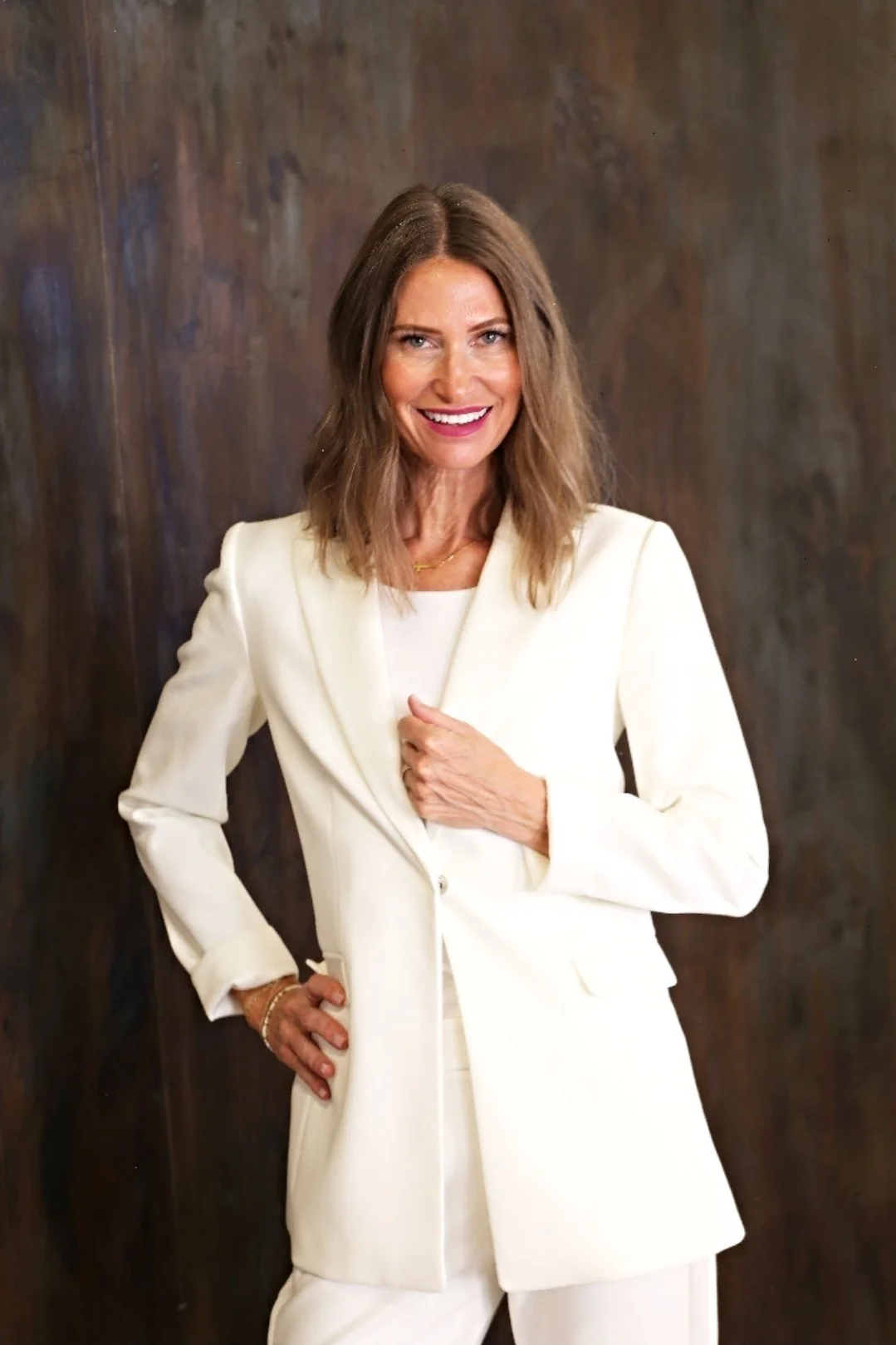
Ganel-Lyn Condie
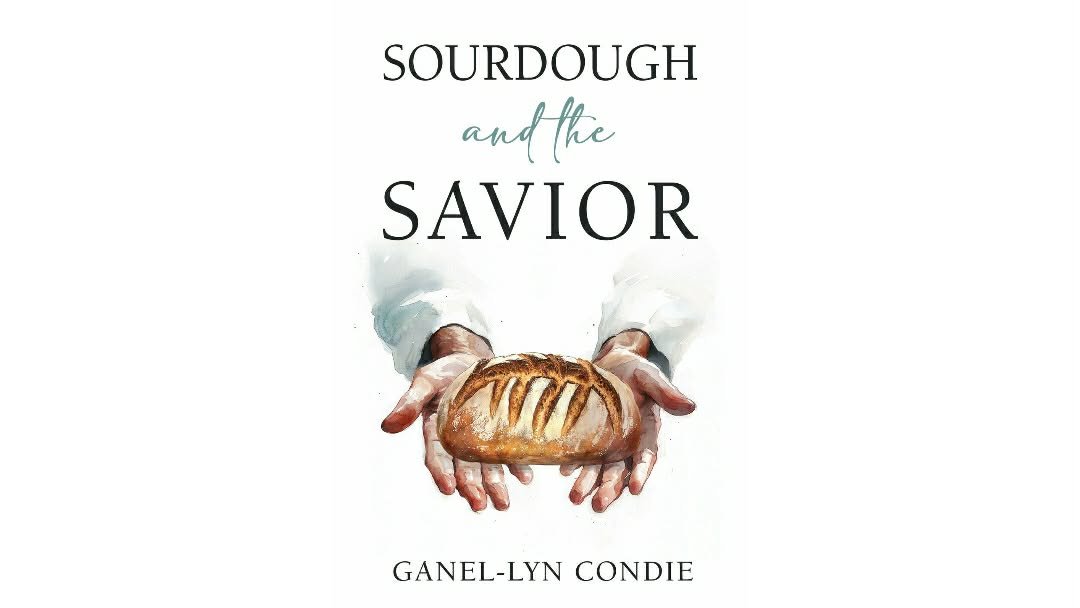
Ganel-Lyn’s Book available on her website here along with all her books and CDs.
Contact Our Guest
Instagram: https://www.instagram.com/ganellyn/
Website: https://ganellyn.com/
Facebook: https://www.facebook.com/ganellyn.condie
Transcript
Intro: Welcome to Latter-day Miracles, where we share true stories of angels and marvels. Get ready to enjoy accounts from everyday people that remind us of divine love, that we're never truly alone, and the power of faith in these latter days. I'm Haley Hatch Freeman. And I'm Misty Smith. Sit back, open your heart and prepare to be inspired.
[00:00:27] Haley Freeman: Welcome to Latter-day Miracles. Today we are honored to have Ganel-Lyn Condie. She has been someone I have admired for a long time, her content is just amazing from her podcast or her books to any of her content on social media. She's someone that I admire her vulnerability, and I've just am so excited to have her here on our podcast today.
I know that her insights and wisdom are gonna really touch your heart, and I hope that she can say something that will help you with whatever struggles that you are experiencing at this time. I'll go ahead and turn the time over to Misty to read her bio and then we'll turn the time over to Ganel-Lyn
[00:01:08] Misty Smith: Okay. Ganel-Lyn is a popular motivational speaker known for inspiring others with her unique honesty, authenticity, and spirit. She is dedicated to her family, faith, and inspiring others. Ganel-Lyn loves teaching others with speaking and writing. She graduated Summa Cum Laude from Arizona State University with a Bachelors in education and a minor in psychology.
Ganel-Lyn has experienced healing from a major chronic illness and is the mother to two miracle children after the heartbreaking suicide of her 40-year-old. Sister Ganel-Lyn is constantly working towards prevention. She lives with an open heart and feels passionate about sharing principles that will empower others to live life with more joy.
She is a regular television radio guest and hosted the popular shows "Talk of Him" and "The Middle." Ganel-Lyn's talks, and books have now encouraged thousands of people all over the world. She loves growing older with her supportive husband, Rob, and aims to keep learning and loving. And I love that you say that you embrace growing older because it's something that so many people are like, no, let's not age you're great.
[00:02:26] Ganel-Lyn Condie: I just turned 55, so I am. I am in the middles of the fifties and you know, there's some things that come with it that are not always easy, but I think like when I look at random accidental selfies on my phone that are at those bad angles up on my neck, I'm like, oh my gosh. Like I look like the rings of the trees that you come, no, it's true.
This is good lighting. You can't see, but. But when I looked at my hands, I remember, um, I was, I was holding my grandma in bed when she passed and um, she had fought breast cancer probably. Five, six times and she was on hospice and not really there anymore. And that rattle breath that if you've helped someone pass.
Anyways, I was holding her and, and I looked down at her hands and you know how as you age, like she had age spots on her hands and her skin was really like thin and transparent. And I just thought, oh, I don't think I have any pictures of her hands. Like I was trying to memorize. Her hands, and because she had had breast cancer, she had never had reconstruction surgery, but she would.
She just had a good jewelry collection and she would get her hair done and she would, every weekend she'd take care of her nails, but she aged like her, her face and her skin, and her eyes were so saggy, like she'd have to lift up her lids to put on the eyelashes and the, and the shadow, and I didn't realize what a gift that was, that she was letting me see her be so beautiful and age.
[00:04:12] Haley Freeman: Yeah.
[00:04:12] Ganel-Lyn Condie: And now that she's been gone, like she loved to set a table for the holidays and decorate her front door and write a thank you note, and I think of her all the time, and I just think what a gift it is that we give to each other, and especially our children, to watch us age. Mm. Instead of hiding that, like, I loved her old, you know, thin skinned hands and right.
She didn't stop caring for herself, but she got older and she looked older. Yeah. And in this day and age where we, you know, and I'm a fan of doing whatever you wanna do to be graceful in that process, but I think we've gotta give each other examples of what it looks like to get older. So I
[00:04:54] Misty Smith: agree. No, I definitely agree.
I noticed also that you spoke about your sister's suicide. I, um, I don't know if Haley had mentioned, but I had also experienced a brother-in-law pass away around 42. Um, and so I saw that age and, and it, and it hit me. 'cause I was like, oh, that's such a hard. Hard time in, in your forties and as we grow, just all this weight is constantly put on us.
[00:05:25] Ganel-Lyn Condie: Well we're in the, that club together and suicide is, is a different kind of grief. I, I have two sisters that have passed. I had a, a sister die when I was 10. That was two. And my sister Meg died 12 years ago. In March, um, at the age of 40, but middle-aged men, so your brother-in-law is the number one demographic of people dying by suicide.
So I often, um, get outreach calls and
[00:05:50] Haley Freeman: mm-hmm.
[00:05:51] Ganel-Lyn Condie: And oftentimes those middle-aged men, it, my sister had faced a lot of like addiction and depression and had been sexually abused as a child. And so she had struggled with her mental health. In her life. Um, but oftentimes, I don't know, with your brother-in-law, we're getting better.
But men don't normalize talking about their mental health in the same way. And so oftentimes the men that are dying by suicide, it can, it can come in, in a way that's a shock. And I would just also say suicide grief is a different kind of grief.
[00:06:25] Misty Smith: Yes, absolutely.
[00:06:26] Ganel-Lyn Condie: It's a different kind of grief for those that are left behind.
And you know, I, my mother-in-law died a year ago, last February. My father-in-law died 20 years ago. My grandparents, I took care of both of them. I have two sisters that have died, and so I've experienced a lot of loss. And I would just say suicide grief is unique. And my sister Meg is definitely like my mission companion.
I've told her story so many times around the world and. Um, it's been a really great opportunity to talk about faith and mental health and how that intersects. 12 years ago, I think my book was the first book in Dessert Book that talked about suicide and faith, and because of that, yeah, I've been able to speak in other faiths.
So megachurches in Kentucky and Baptist churches and other people of faith have trusted me to come to their congregations and talk about people of faith and mental health. It's not one or the other. So I'm sorry for the loss of of your brother-in-law.
[00:07:27] Misty Smith: Yeah. Thank you. I did also, and, and same with you, because that's, like you said, that grief is a whole, a whole different story right there.
And there's lots of miracles that come from grief, I feel. Um, and I really love, I this part where you said. That you, empower others to live life with more joy
[00:07:47] Ganel-Lyn Condie: well, you know, I, I wrote, um, the first book that I published, I didn't think there'd be 20. My 20th book just came out last week called Sourdough and the Savior. But the first one I thought there would only be one, and that book was called I Can Do Hard Things with God, and it was. A compilation book of many women and hard things they had gone through.
And the first chapter was Meg's story. The second in that series was, I Can Forgive with God. And those were forgiveness stories and there were some pretty, these weren't like easy forgiveness stories, right? They were.
[00:08:19] Haley Freeman: Mm-hmm.
[00:08:20] Ganel-Lyn Condie: And then the third in that with God series was I Can Choose Joy with God. And when I worked on that project and I compiled it, it also was a compilation so other women telling their stories.
So I was kind of the midwife on their stories and then I shared it, uh, my own joy story. I think joy is different than happiness. You know, joy is deeper, it's layered, it's not Disneyland. And I think when we're talking about miracles and we're talking about grief and then we're talking about joy, it's the other side of the coin.
And I think when I have experienced true joy moments in my life where there is true joy, the other side of that coin is the opposition and going through some hard things in our family. We've gone through Meg's death and um, job loss and infertility, and raising kids. And um, I was diagnosed with lupus a few years after we got married and we were told I had 10 years to live and we would never have kids.
And so it took seven years to have our son that's 28 now. And it took six years to have our daughter that's 22. And so I often say, when I talk about joy, the minute I saw that positive pregnancy test and, and they handed me a baby after seven years of trying. All that sorrow was washed away. And so they really are my miracles because I was told, first of all, I wouldn't live past 10 years and that, you know, I've done that and that I would never be able to have children on my own.
And we were open, we were open to adoption. Um, but the fact that I have two kids is literally probably the greatest miracle of my life.
[00:10:04] Ganel-Lyn Condie: And all the books and awards and TV and podcast shows like at the core of who I am, I wanted to be able to be a mom and Right, and to be able to be in that position where.
I know your listeners, not everyone has had that miracle yet.
[00:10:24] Haley Freeman: Right.
[00:10:24] Ganel-Lyn Condie: For me, you know, in our, in our religion and faith, I had a patriarchal blessing at the age of 14. Mm-hmm. It said that I would be a mother to children and um, so when the doctors said, I have a heart condition with lupus, and when the doctor said, you have 10 years to live and you will never have children, I remember thinking, okay, I don't know how this miracle's gonna work out.
[00:10:49] Misty Smith: Yeah.
[00:10:49] Ganel-Lyn Condie: I'm gonna claim this blessing before it shows up.
[00:10:54] Misty Smith: Huh?
[00:10:54] Haley Freeman: Love that.
[00:10:55] Ganel-Lyn Condie: And I had to claim it for seven years before I got to be a mom to Cam. And, um, he's a miracle and he came two weeks early, 10 pounds, which is unheard of with lupus.
[00:11:07] Misty Smith: Yeah,
[00:11:07] Ganel-Lyn Condie: baby. Uh, and he is six, seven. Wow. I know he's got the greatest height right now because six seven is the cool thing to say, but he's six seven and he's just a miracle.
And then six years later when we had our daughter, Brooklyn, um, they're the best of friends and they love each other so, so much. And, um, I, I remember people saying, what are you gonna do with your kids so far apart? And I was just like, I'm gonna be their mom. Like, what do you mean? What am I gonna do? This is how they came to earth.
And, um. I think they've had one or two arguments in their entire lives. They just love each other, and so I would just say when I share that in my writing and speaking, I'm still waiting on promised blessings. I still am claiming blessings that haven't manifested yet. And so I would just say God is a God of keeping promises and Elder Holland, the sweet elder Holland, what are we gonna do without Elder Holland?
We're just gonna, oh,
[00:12:08] Haley Freeman: absolutely.
[00:12:09] Ganel-Lyn Condie: We're just gonna keep quoting him forever and ever. Yes, he, he taught us that miracles come either in this life or the next life, but they come. And they do, and I believe that. And he was one of the first to talk from the general conference pulpit about mental health. And since then we've had Sister Alberto and Sister Dennis at our most recent conference talked about her chronic depression.
And I just think we, we have every hope that God has our miracles on track. The problem for me in the waiting and the wandering is what do you do in the waiting and the wandering?
[00:12:54] Misty Smith: Yes.
[00:12:54] Ganel-Lyn Condie: And what do you, what do you do when the miracle does come, but it looks in a different package than you thought, or in a different pathway than you thought or came through a different door than you thought?
You know? I think sometimes I project what I think. You know, like for example, in the infertility, it said we would be, I would be a mother of children, but at a certain point we were very open to in pursuing adoption, right? Mm-hmm. And so I just think there's something that's so important to say and a podcast like this is reaching people that are maybe seeking for their own uplift and hope, and their hope is getting low.
And I would just say joy really does come from navigating some messy stuff.
[00:13:40] Haley Freeman: And actually to quote you, I'm reading your book, Sourdough And The Savior, and I love it so much and it's something that you were, thank you. You were talking about, um, the story of Joseph in the Bible and how his brothers, you know, put him in the pit and you said you love this scripture story.
It gives those of us at the bottom of our own pits a long view. It's the powerful reminder that the detours are actually a redirection to destiny.
[00:14:09] Ganel-Lyn Condie: Mm.
[00:14:10] Haley Freeman: And I thought that was so powerful. I loved that.
[00:14:13] Ganel-Lyn Condie: Yeah. I mean, that's another great example of where Joseph and some version of getting his own patriarchal blessing was told this big mission he would serve, and then everything for years and years and years did not look like that was gonna happen.
[00:14:28] Haley Freeman: Yeah,
[00:14:28] Ganel-Lyn Condie: he got sold, he got put in slavery, he got put in jail. He got framed. I mean, there was no evidence that like his career was on track.
[00:14:39] Misty Smith: Right. Yeah.
[00:14:40] Ganel-Lyn Condie: And then you fast forward and you see, I mean, I'm actually studying that story again because I'm speaking at BYU Women's Conference in May and I have two sessions, and one of them is a really sensitive one about forgiveness.
And so I pulled that story back up just this week as I was preparing because you know, he had a lot of trauma. He had a lot of abuse. He had a lot of pain to navigate to get to the point where then he was willing to humbly save the lives of his brothers with this famine that was happening in the land.
[00:15:14] Haley Freeman: Right.
[00:15:14] Ganel-Lyn Condie: And be humble and forgiving. Um, I just, I love that story because there's so often I get, I get in a place where, well, this can't work out. It's gone on for five years or 10 years. And then I think of Joseph, how many years did it look like? Everything God had promised him had been derailed. There was no evidence it was working out.
And I just think that's extraordinary. That that is who our God is our God is taking all the pits, all the fires, all the false accusations, all the betrayals, and creating beauty for ashes ultimately.
[00:15:58] Misty Smith: Yes. Uh, okay, so I. Felt really strongly that you mentioned claiming your miracles or claiming your, what's supposed to come to you.
Right. What does that look like? Yeah. In in the face of like,
[00:16:15] Ganel-Lyn Condie: yeah,
[00:16:15] Misty Smith: I'm sure a lot of pe I, I don't know. I heard it and I'm like, hold on. I think a lot of listeners would really love to do. Like, how do you do that? How do you do that?
[00:16:23] Haley Freeman: What does that look like?
[00:16:24] Misty Smith: Mm-hmm.
[00:16:25] Ganel-Lyn Condie: Well, I love that because every time I say it in like a talk or on a podcast, I always get a dm, like, or if I post about it on social media, everyone's like, okay, you're right. But how, you know, I, I mean, I'll be really transparent two and a half years ago, and I write about it a lot in the sourdough book.
Mm-hmm. A whole bunch of unexpected endings and a lot of identity shifts and empty nesting, and three surgeries on my wrist after a horrible accident. And this show that I had hosted for four years that had a million downloads that was winning awards abruptly ended and all the Seagull Books were closed, which has changed my book sales and my royalties, and.
Just thinking the Lord was getting me ready for like, not balancing work life so much 'cause now my kids would be gone. My youngest left on our mission and within a few months everything ended. Mm-hmm. And um, I am in the middle still two and a half years later, wandering in the wilderness. I know on the outside it looks like I'm on podcasts and I've released a few books in the last couple of years, and I still speak here and there, but that core identity of hosting a show and raising kids were removed at the same time.
And at the same time that was happening, my husband's career is taken off. He got put on the high council, so he's busy at church for a few months. I had no calling.
[00:17:49] Haley Freeman: Mm-hmm.
[00:17:50] Ganel-Lyn Condie: And so I would just say I'm still in some claiming places right now. And I think one of the things is when you get a priesthood blessing or you read your patriarchal blessing or you go to the temple or you fast about that thing for the 2000th time.
[00:18:07] Haley Freeman: Yeah,
[00:18:08] Ganel-Lyn Condie: I think it's those ways in which we keep aligning our will to God while also surrendering to his timing. And I don't know how to describe that other than I know when I'm doing it in my heart and when I'm not. I know when I am in a lot of fear. I'm in a lot of comparisons. I'm in a lot of hustle energy and proving energy and maybe anger.
That's a signal. I am not claiming blessings. I am now crossed over to the other side of the street, and I am in discouragement. I'm in comparisons. I, I'm telling myself a story that's very, um, fear-based. Mm-hmm. I think all of us can describe that feeling of having peace and it passes understanding. It doesn't make sense why we feel the peace.
Like I remember a season in our lives where we were unemployed, we had no savings, we had nothing left to sell. Right. And the blessing we received was that we would receive the support we needed. So every day was like manna. It was like every day we had to get up and, and wait upon the Lord and do our part.
Trust that blessing and claim it. And it went on way longer and way more uncomfortable than we liked. Previous to that, we had lost a job and we had savings and we had stuff to sell and it was still uncomfortable. And it was the first time we had ever been unemployed, and so we were growing those muscles and my husband had skin cancer and had to have surgery, and our dog was killed during the time.
I mean, it wasn't easy, but it was different than the second time.
[00:19:47] Misty Smith: Right. And
[00:19:47] Ganel-Lyn Condie: so I remember thinking like, am I really gonna trust today that there's gonna be manna outside my tent,
[00:19:54] Misty Smith: right?
[00:19:54] Ganel-Lyn Condie: Am I gonna have money to put gas in the car? Am I gonna have the money to buy my kids new shoes for school? You know, it hit Christmas and we were the sub for Santa family, right?
Yeah. All of us can relate to times in our lives where, where a wilderness experience went on longer than we liked. We exercise some kind of trust and surrender of manna every day. And then we get to the Promised Land and we start to forget what that feels like. 'cause we start to get comfortable again and we can pay the bills and our health is pretty good and there's no, you know.
[00:20:32] Haley Freeman: Yeah.
[00:20:33] Ganel-Lyn Condie: And then we're finding ourselves in another place. So I would say when you claim a blessing, are you speaking as if God is still in charge. I wrote a booklet called Let God Prevail a few years ago when President Nelson gave that talk. Mm-hmm. And it's very simple, but it's, it's, do we really believe God's gonna prevail?
[00:20:53] Haley Freeman: Mm-hmm.
[00:20:54] Ganel-Lyn Condie: And I don't think it means that you don't have hard days where you call your best friend and you're discouraging or crying.
[00:21:00] Haley Freeman: Right.
[00:21:01] Ganel-Lyn Condie: I don't think that means you don't ask for another blessing or fast one more time because you're really not certain it's ever gonna work out, and it looks like everyone in your neighborhood is going to Hawaii, right?
Right. Mm-hmm. I'm not saying I don't have times where it was really hard. Like people would say during the infertility stuff, the most awkward things like, do you not wanna follow the prophet? Like, do you guys not want kids? And Yeah. I could write a book about the awkward things we say to each other.
[00:21:32] Haley Freeman: Yeah.
[00:21:32] Ganel-Lyn Condie: Or, or the comments of, people that are complaining because they're pregnant again.
Right. And you're thinking
[00:21:40] Haley Freeman: mm-hmm.
[00:21:42] Ganel-Lyn Condie: Okay. Right. So I, I remember during that time thinking, I don't know how this is gonna be.
[00:21:50] Misty Smith: Mm-hmm.
[00:21:50] Ganel-Lyn Condie: But I can feel within my soul when I go to panic and I go to, when I go to discouragement. And the only way I can describe how it feels inside of me when I'm claiming a blessing before it shows up as it doesn't feel like that.
You know, it doesn't mean that you don't have moments of that. It's just you return back to what do I know about the characteristic of God? I don't know what the future's gonna hold. I don't know how it's gonna work out, but what do I know about God?
[00:22:21] Haley Freeman: What do you know?
[00:22:22] Ganel-Lyn Condie: What do I know about God? And you know, I, I just started something this year that I've never done.
I always keep a study journal.
[00:22:30] Haley Freeman: Mm-hmm.
[00:22:30] Ganel-Lyn Condie: Um, and I heard the great Arthur Brooks, he, you know, he's a happiness professor at Harvard and he's a practicing Catholic. So he talks about his faith pretty openly, about how that's good for our brains. Mm-hmm. And he invites his students to keep a journal of disappointments.
[00:22:46] Misty Smith: Interesting.
[00:22:46] Ganel-Lyn Condie: And every time there's a disappointment, write it down, date it, and a month later come back and see what has been the thing you have, what's been the thing you have learned? And then three months later come back. And what from that disappointment was the unexpected gift?
[00:23:02] Misty Smith: Wow.
[00:23:03] Ganel-Lyn Condie: And sometimes we don't know right away, right?
We don't know for 30 days or 90 days what a disappointment is gonna lead to. I would just say, I think it's just this sense of people of faith. You have a sense. Have you been around those people that they're always praising God? We think about Nephi tied up on the boat and the storm is raging and his parents are sick and dying, and his brothers are drunk and they're making fun of him, and he praises God for three whole days.
The Liahona is not working. They're in a storm, they're gonna sink. And finally his brothers untie him thinking, I guess maybe we shouldn't be trying to abuse our brother again.
[00:23:38] Haley Freeman: Right,
[00:23:39] Ganel-Lyn Condie: right. And so Liahona starts working because Nephi had praised God the whole three days. So one of the biggest things I tell people about claiming a blessing before it shows up is you praise God in it.
And praising God is not saying, I like this. That's not what praise is. Praise is Nephi. I don't think Nephi ever got to the point saying, this is super fun. I like to be tied up and swollen and sick. Absolutely.
[00:24:07] Misty Smith: Yeah.
[00:24:08] Ganel-Lyn Condie: Uh, I love seeing my wife crying and my kids were crying. Crying. What what we learned from Nephi is that the Liahona started to work immediately because he kept saying, I see God in this.
[00:24:20] Misty Smith: Mm. I love that. So, I, I just have to put a little plugin for your book and sourdough, because I am a baker and so I've been able to raise my sourdough and some of the things you said reminded me of the time. We put into it just like the wait, the waiting period.
Yes. It has to be the right amount of time and the right temperature and the right ingredients, and you have to be patient.
Yes.
[00:24:47] Misty Smith: You watch that ferment and then, and then I loved at the end, when it comes out and you put in all this effort, you put in all this work and you pull it out of the hot oven.
So many people wanna cut into that. So many people want to just. I've put in my time, I've put in my effort and the sourdough coming out and my life. I finally see the reward. Yeah, I finally see God's hand and I'm ready to take it, but he says, wait. Wait and be patient. Don't cut into it yet, because if you cut into it, that sourdough will turn into gummy gummy paste and it won't be edible anymore.
Right. So I love that you stated, you stated the time, the weight, and the patience even as the blessings are coming and just being grateful. Through the process.
[00:25:37] Ganel-Lyn Condie: Yeah, that the last two years, sourdough has really saved me. And I said I would never write a book about it. I did, of course, for the people that aren't into sourdough.
I've had a lot of reviewers that aren't into sourdough and they've loved the book. There are little tips in each chapter in my recipes at the end, and I have a really simple way of making sourdough So I even did a video on YouTube of a 24 hour period of how I do it that I think works with busy moms. So if you wanna go to my YouTube, you can watch me every step of the way in the time of day.
I work on certain parts of it, but why it saved me is first I failed a lot. It took a long time for me to figure out how to do it. And I write about in the book that for me, there were so many analogies and characteristics of making sourdough that taught me more about the savior. And one of them isn't just the patience and the waiting, it's the what I feed grows.
And so I messed up for a while on sourdough 'cause I couldn't get my start to work. Mm-hmm. And when I finally had my friend who I dedicate the book to, who has a full business at. Love it, selling sourdough. Um, Sue, Sue Sourdough by Sue, she came over one day and was like, don't give up. And she gave me a new start and she gave me some tips and I tried again and it started to work.
[00:26:59] Haley Freeman: Yeah.
[00:26:59] Ganel-Lyn Condie: And I'm, I by no means an expert. I'm, I'm just learning about how to make gluten-free. 'cause um, someone is. Is gluten-free and, and celiacs and, and so that's a totally different process. But I will just say that I have learned that what I feed grows.
[00:27:17] Haley Freeman: Mm-hmm.
[00:27:17] Ganel-Lyn Condie: And when you feed something in your faith every day, whether it's the music you listen to, reading one verse of scripture, listening to a podcast like this, reading
a conference talk. I do a series every Friday on Instagram called Coming to Know. Right. We discuss one conference talk a week, and um, it doesn't have to be overwhelming. It's little things we do to feed. On the flip side, we can really feed our doubt, we can feed our fear, we can feed our anger, we can feed our comparisons, we can feed
all the voices out there. You know, I just had someone message me this week that I've never met that says she follows me on social media, but she's super careful who she follows because she says, if I listen to the wrong voices, I'm in trouble really fast. And she said, I just wanted you to know I really trust you.
That she was being very kind, but that my content feeds her faith. And so I would just say, check who you're following. Is it making you feel better after you see their posts? I had a therapist stop me one day after an event and said, I send all of my clients to follow you because I know you won't trigger body image stuff for them.
And I just thought, what a great compliment to receive. 'cause I do a lot of work in mental health that this therapist knows. And I'm not saying I don't trigger people, I'm just saying this therapist knew that her clients that are dealing, dealing with eating disorders
[00:28:49] Haley Freeman: mm-hmm.
[00:28:49] Ganel-Lyn Condie: Could, could follow me and, and it would be a safe recommendation.
And so I just think we have permission to use our agency to not consume things that are not feeding our faith. And I love that you understand the process of sourdough and the cooling and, you know, you know. I love that Jesus is called the bread of life and I love that sourdough has helped me physically, emotionally, spiritually, and and socially the last couple of years.
Um, and maybe sourdough is not your thing, but everybody has something that they can nurture and feed and then share, and that's really kind of the thread throughout that book of ways in which I've come to know the savior, but also ways I've been able to grieve a lot of losses the last two years and still try to find ways to give back because I, I don't know about you both, but when I have gone through hard times, if I don't have a way in which I can create and serve, um, those hard times are harder.
[00:29:53] Haley Freeman: Well, absolutely. I'm the same way in the sense of. Um, I had an eating disorder as a, a teenager, and I had a near death experience from that where I literally died from anorexia. And um, and I was the same way. If I can't make some good out of this, if I can't help others from this, then what was the point of it?
Right? And that's what helped me heal, is I kept thinking, well, I have to heal myself. I have to get better so I can help others in this journey. And that was such a motivation for me to get better and to beat it so I could help others and find purpose in my trial. And that's what brought me out of it so much is I'm like, I have find purpose in the suffering.
[00:30:32] Ganel-Lyn Condie: I think that's one of the first things we connected on is talking about, um, in one of my books, You're More Than Enough, You're Magnificent. Um, I talk about, I had done lots of years of chemotherapy and because of lupus and my heart condition and my last round, I developed an eating disorder from that.
And I probably was primed to have one regardless. It's just,
[00:30:53] Haley Freeman: oh yeah. There's so much that,
[00:30:55] Ganel-Lyn Condie: yeah. There was so much in my childhood and in my own life and in my personality and in my soul. But when you take a drug that makes you throw up for a year every single week, oh, and my second chemo, eats the inside of your stomach away so you can, oh
[00:31:11] Haley Freeman: my, wow.
[00:31:12] Ganel-Lyn Condie: So just not get graphic. But my body just didn't even recognize what was like, I was survival eating. And so it was, I was primed. I was primed on emotional and spiritual and physical level to have this eating disorder. And it was such a beautiful gift for me because it taught me so much. Once again about stripping everything away in my faith and what needed to be healed and what did I know about God and I had to piece it back one step at a time, um, to understand.
And I don't think everyone has to write a book or start a blog or host a podcast. Oftentimes I hear from people that lost someone to suicide, and immediately, within 30 days, 60 days, they wanna start a group and write a book. And I just say, give ourselves some time. Like it, I try to speak and write and teach for my scars, not my bleeding wounds.
[00:32:03] Haley Freeman: Mm-hmm.
[00:32:04] Ganel-Lyn Condie: And sometimes we don't. We're in this world right now where we all want a YouTube channel and we all, and I think
[00:32:10] Haley Freeman: right.
[00:32:10] Ganel-Lyn Condie: It's okay to take a pause and grieve and heal. And that's honestly the last two and a half years. I knew the, the Lord was in all those endings that came really fast and close together.
And I realized pretty quickly I could go fill up all the space by staying extra busy. I could go get another job. I could distract myself from the pain and the loss and the endings. And I realized there was some sacredness in all the space and the gap and the endings and, um, my, my sweet friend Brad Wilcox, I called him soon after, before it was public, everything that was happening.
Mm-hmm. And he gave me some good advice about, I don't know how long this Wanderings gonna go. He said, but you're gonna think you did something wrong. Mm-hmm. And, and you didn't. The Lord is preparing you for something. So I've really tried to sit in it and sourdough and gardening and slowing down. And it's been uncomfortable.
It's been uncomfortable to not be super distracted and super busy with kids at home and super, all these things.
[00:33:22] Haley Freeman: Mm-hmm.
[00:33:23] Ganel-Lyn Condie: And just be with myself. And so I would just say for those out there that are in the middle of your wilderness and you're wanting to get to the point where you give back. But you're not there yet.
That's okay. Like that's the process that I think is really the most sacred part of all the hard things, whether it's an eating disorder or if it's grief or it's unemployment or whatever it is. A diagnosis of some sort of chronic illness. Like we have to live it, we have to go through it. We can't skip over it, and then have the good thing that comes from that yet, you know?
[00:33:54] Haley Freeman: Absolutely. When we asked you if you have any tips or advice to share, you said focus on the offerings, not the outcomes.
[00:34:02] Ganel-Lyn Condie: Yeah.
[00:34:02] Haley Freeman: Do you want to tell us a little more about that?
[00:34:03] Ganel-Lyn Condie: Yeah. I wrote a book a few years ago called the Stewardship Principle and I just talked to someone from my bank today and she's not in the church, and she just said, what book should I read?
And I'm like, go order the Stewardship Principle. So she went on Amazon and ordered it. It changed my whole perspective over everything. So infertility, unemployment, eating disorders, suicide, graduating from college, getting a raise, all the good stuff, all the hard stuff. And what I like to say is that there's nothing we own.
We are all stewards over a variety of things. Some of them are really great, some of them are mediocre, and some of them are really hard, and I don't know any life that is all one thing. We're not all just living the middle. We're not all just living the great stuff. We're all living a combination of hard things and great things.
And in that book I talk about being, offering focused instead of outcome focused.
[00:35:01] Haley Freeman: Mm-hmm.
[00:35:01] Ganel-Lyn Condie: If you're in the middle of waiting for a miracle, focus on what your offering is because there's so much in our lives that we don't have control over the outcome. There's very little that we do, even sourdough baking.
I talk about in the book, and, and maybe you know this Misty. In the summer, it's much easier to make sourdough, but that, that's not when everyone wants to have an oven at 475. Right? That we wanna do that in the winter, right? It's snowing outside and so, but the environment and the conditions are much more conducive because it's hot and so your start grows fast and everything goes faster.
And so I just think we don't have, we don't have control over. Our adult kids or our teenage kids, we don't, we don't have control over. I mean, you, Haley and I, and I could talk about this, a lot of what eating disorders come from is that sense of control of like, if we can do this, then this will happen.
It often comes when we, I mean, it's not surprising. I was dealing with lupus raising kids and chemo. I had no control. I had no control. Right. So if we can be more offering focus instead of outcome focused, we can look at the scriptures and see where God, that's really his ask of us. He's asking us to try.
He's asking Jonah to go on a really hard mission. He's asking for, does anyone have any food that I can feed 5,000 plus people, and a boy offers his fish and his loaves, which didn't make any sense,
[00:36:29] Misty Smith: right?
[00:36:30] Ganel-Lyn Condie: But then there were leftovers. We have a God of leftovers.
[00:36:35] Haley Freeman: Abundance.
[00:36:35] Ganel-Lyn Condie: And so I just would say whether you're trying to build a business, raise kids, do your calling, work on your health, get a degree, work on the offering.
I get stuck. And in the stewardship principle, I talk about the opposite of stewardship as ownership. I take ownership of outcomes. So when you're raising kids, that's really dangerous. They'll become teenagers and adults. My kids don't even live in my house. I have no ownership over, did they say their prayers?
Did they brush their teeth? We were teasing our 28-year-old last night, 'cause my husband was talking to him before bed and he is like, Kay, I'm going to bed dad. He is like, did you brush your teeth? Did you say your prayers?, you know, and we were just laughing about it. Like, there's so much, there's very little, if anything, that we have control over the outcome.
We can read one versus scripture. We can go to church, but we don't get to decide if we love everyone in our ward. We don't get to decide if we love our bishop. We get to choose to go to the temple and we get to choose to say a prayer and fast one more time, or go to another therapist or go to the doctor one more time, but we don't get to choose.
That's what's beautiful about miracles is most of the time, the miracles I love the most are the ones that are these unexpected, crazy, what. Wait, that's how it's gonna work out. And I'm currently going through one right now that is just, we're in the middle of it. I'll come back on and talk about it. But
[00:38:06] Haley Freeman: we'd love for you to come back
[00:38:08] Ganel-Lyn Condie: it's happening to someone I love, 'cause I love them so much.
It's a miracle in my life. 'cause I spend a lot of time praying about this person.
[00:38:17] Misty Smith: Right.
[00:38:17] Ganel-Lyn Condie: And I'm scratching my head like, we're two weeks into this miracle right now. And I'm like. Are you kidding? Is this when it's gonna happen? 'cause all the ingredients is not pointing to this. Nothing on the environment is making it seem like this is when the miracle's gonna happen.
But currently it is, and praise is really good for when it's working too, because one of the things Brene Brown talks about is that foreboding joy uhhuh when everything's going good and you're like, oh, shoot, is something bad about to happen?
[00:38:54] Haley Freeman: Yes, that's,
[00:38:55] Ganel-Lyn Condie: that's when you gotta up your gratitude and your praise.
That's the only way to get through that because i've lived through a lot of trauma. There's a lot of mental health needs in my family. There's a lot of loss. There's a lot of stuff. My, my family doctor often says, why are you not a heroin addict?
[00:39:11] Haley Freeman: Oh
[00:39:12] Ganel-Lyn Condie: no. 'cause he knows my history. He knows my story, and he knows my risk factors.
And so I would just say praise is so good when things are going good too. Yeah. Can you praise God when it's good and can you praise God when it's not?
[00:39:28] Misty Smith: Absolutely. It's, it's totally like Job, right? Yeah. always grateful,
[00:39:33] Ganel-Lyn Condie: well, I, I hope that answers your question, Haley, of like being an offering focused person.
Your shoulders can relax, you don't have to control the outcome. When the woman with the issue of blood showed up on that crowded street to reach for the Savior, she was making another offering. But the scriptures show that for 13 years, everything she tried, she got worse.
[00:39:55] Haley Freeman: Hmm. Wow.
[00:39:56] Ganel-Lyn Condie: She had no Yelp. Yelp or Google review of Jesus.
Right. She had no, she had no proof that it was gonna work out because she had evidence that it never worked out.
Wow.
[00:40:07] Ganel-Lyn Condie: That's the story in the scriptures I teach when I talk about mental health the most. After Meg died and I was planning her funeral and I was writing her obituary, I went to the scriptures and thought, where has God talked about mental health and suicide?
[00:40:22] Haley Freeman: Mm-hmm.
[00:40:22] Ganel-Lyn Condie: And that was the story that came for me.
[00:40:25] Haley Freeman: Wow.
[00:40:25] Ganel-Lyn Condie: That, that because woman with the issue of blood meant in her culture, she didn't prepare food or hang out with people.
[00:40:32] Haley Freeman: Right. Yeah.
[00:40:33] Ganel-Lyn Condie: So when you do both mental health or any addiction or eating disorder or even maybe learning disabilities and chronic illness, I think the secondary issue is the diagnosis.
I think the primary problem is we get isolated.
[00:40:47] Haley Freeman: Mm-hmm. Yeah.
[00:40:48] Ganel-Lyn Condie: We start to think everyone else is getting a miracle. Everyone else stands up on testimony Sunday and said they prayed and fasted in two weeks. It all worked out. And you're on year 13.
[00:40:58] Haley Freeman: Yeah. Yeah.
[00:41:00] Ganel-Lyn Condie: You can get in your head that God loves all of his other kids.
And so part of the reason I wrote the Stewardship Principle is God may be trusting you with some really heavy stewardships. It doesn't mean he doesn't love you. It doesn't mean that he doesn't care about your happiness. He's trusting you to navigate Haley, that eating disorder that you have gone on to share out with the world.
Contribute in a positive way and talk about it at a time where there weren't a lot of voices talking about it.
[00:41:34] Haley Freeman: Yeah.
[00:41:35] Ganel-Lyn Condie: And so I would just say praise God in the good and praise God in the not so easy storms because he's in both of those. And if you keep making an offering, our God is a God of leftovers.
[00:41:51] Misty Smith: I love that.
[00:41:52] Haley Freeman: Yeah. I was gonna ask if there was one final thought for the audience. I feel like that could be it right there.
[00:41:59] Ganel-Lyn Condie: Yeah, and you know what I, I think when we talk on a podcast about miracles, we're talking to people in various stages of their miracle, right?
[00:42:09] Haley Freeman: Yeah, absolutely.
[00:42:10] Ganel-Lyn Condie: The ones waiting, the ones just at the beginning.
The ones like me where I think I'm in the middle of one right now. Mm-hmm.
[00:42:15] Haley Freeman: And
[00:42:16] Ganel-Lyn Condie: I can't, I can't rejoice out loud about it yet to the public. Right. It's pretty miraculous. And it's for someone else that I love so much and I want this miracle for them. Um, and then sometimes we're just coming out of a miracle and we're sitting in the glow of it.
The only final thought is record it somewhere. Record it, post about it. I was just talking to my husband about this last night about how discouraging and dark the world feels and how the headlines are so horrific.
[00:42:47] Haley Freeman: Yeah.
[00:42:47] Ganel-Lyn Condie: And I said to him, President Nelson said, in the coming days, there would be miracles
that would be astonishing. We're not talking about those enough. So I'm so grateful both you. Both of you have decided to give a platform for conversations around miracles because we have to do better because every day there's a headline that's scary. Every day there's a headline about a war, about a trauma, about some crime, about some horrible thing happening to somebody in power.
Mm-hmm. There's enough of that. But what are we gonna do if we're not recording in our journals and posting about our miracles to the world? Because the world needs to hear that God is also increasing the miracles as bad as the bad is getting and as dark as the dark will be in the last days. Are we looking around for the angels and miracles that are gonna be even greater?
[00:43:46] Haley Freeman: Absolutely. Amen. Amen. Amen. Mic drop.
[00:43:51] Ganel-Lyn Condie: Amen. We gotta talk about 'em. Be, we gotta talk about 'em. We gotta shout them from the rooftops because
[00:43:57] Haley Freeman: we do,
[00:43:58] Ganel-Lyn Condie: we, we are not doing that enough. We are not rejoicing and loudly proclaiming miracles are happening in my life so other people can look and expect them in their lives.
We're not doing that.
[00:44:10] Haley Freeman: That's exactly what I was prompted to do. When Heavenly Father told me to start this podcast, He said, share the miracles so people know what I have been doing, and so they know what they can ask for me to do. And I'm like, okay, I'll do it. Yes.
[00:44:26] Ganel-Lyn Condie: And I have had so many miracles.
I have had so many opportunities where. The only reason I can tell you it's a miracle is it was during a dark time. Right. It wasn't an absence of the dark. The miracle happened in the dark. Yeah. And so if your listeners are in the middle of the dark and the miracle Angel hasn't shown up yet, this is, you are in the middle of being able to witness to something.
And so if you need to listen to a podcast, call a faith friend, listen to praise music, take a nap, get a massage, go to a therapist. Do what you can do to have the support in the dark, but it's not gonna be forever.
[00:45:06] Haley Freeman: Yep. I love that. I love that too. Thank you so much for spending.
You're welcome.
this time with us and for your insights.
I, I cannot thank you enough. I'm just so sincerely full of gratitude that you were here. So thank you.
[00:45:19] Ganel-Lyn Condie: Well, thank you both for listening to God and giving a platform for these kinds of conversations. I'm really honored to have been on your podcast with you, and I hope and pray that the prayer we prayed before we started taping that prayers were answered for people today.
Outro: Thank you for joining us on Latter-day Miracles. If you have a miracle story that you feel inspired to share, we'd love to hear from you. Contact us on our website at latterdaymiracles.net or message us on social media. Until next time, keep your heart open to the miraculous and may you feel the presence of angels in your everyday life.
